
Introduction
The demand for flexible television has changed how people watch live channels, sports, films, and on-demand content across the continent. Instead of relying only on cable or satellite, many households now explore internet-based streaming options that offer broader device support and more personalized viewing. This shift has made this a widely searched topic among users who want convenience, variety, and competitive pricing. From smart TVs and mobile apps to set-top boxes and streaming sticks, the ecosystem continues to grow quickly. At the same time, buyers need to understand legality, service quality, content licensing, and technical requirements before choosing a provider. This guide explains how it works, what features matter most, how to compare services, and what to consider for safe and reliable home entertainment.
Table of Contents
- Introduction
- What Is IPTV and Why IPTV Europe Is Growing
- Key Features to Look for in IPTV Europe Services
- 1. Stream Stability and Quality
- 2. Device Compatibility
- 3. Channel Variety and Language Options
- 4. Electronic Program Guide (EPG)
- 5. Catch-Up and Video on Demand
- 6. Customer Support
- 7. Trial Availability
- 8. Transparent Pricing
- Legal and Safety Considerations for IPTV Europe Users
- How to Set Up IPTV Europe at Home
- Step 1: Check Your Internet Speed
- Step 2: Choose a Compatible Device
- Step 3: Select a Provider
- Step 4: Install the App or Player
- Step 5: Enter Login Details
- Step 6: Optimize Playback
- Step 7: Organize Favorites
- How to Compare the Best IPTV Europe Options
- Compare by Viewing Needs
- Compare by Performance
- Compare by Usability
- Compare by Support and Reputation
- Compare by Transparency
- Simple Comparison Checklist
- FAQ About IPTV Europe
- What is IPTV Europe?
- Is IPTV Europe legal?
- What internet speed do I need for IPTV Europe?
- Which devices support IPTV Europe?
- How do I choose the best IPTV Europe provider?
- Can I watch international channels with IPTV Europe?
- Conclusion
What Is IPTV and Why IPTV Europe Is Growing

Internet Protocol Television, or IPTV, delivers television content over internet connections rather than through traditional terrestrial, satellite, or cable systems. In practical terms, users stream live TV, catch-up content, and video on demand through apps, portals, or dedicated boxes. The rise of these is closely tied to changing viewing habits, faster broadband, and the growing popularity of connected devices.
Several factors explain the market’s rapid expansion:
– More homes now have high-speed fiber or stable broadband
– Consumers want flexible, contract-light entertainment options
– International audiences seek multilingual channels
– Smart TVs and streaming devices are easier to use than ever
– Users increasingly prefer on-demand access over rigid broadcast schedules
One of the biggest advantages of they is access flexibility. A user may start watching a football match on a smart TV, continue on a phone, and later switch to a tablet without changing services. That convenience appeals to families, travelers, and multilingual households.
Another reason for the growth of IPTV in Europe is content diversity. Many viewers want channels from different countries, including local news, regional sports, cultural programming, and language-specific entertainment. IPTV platforms often provide broader catalog options than conventional packages, especially for expats or people living in multilingual regions.
Price sensitivity also plays a role. Traditional TV subscriptions can be expensive, especially when users pay for channels they never watch. IPTV services often market customizable plans, though the exact value depends on quality, legality, and licensing. Consumers should remember that low pricing alone is not a reliable sign of a good service.
Still, not all IPTV providers are the same. Some operate with proper licensing and transparent billing, while others may offer unauthorized access to premium content. That distinction matters. Before subscribing, users should review provider details, customer support, official apps, payment transparency, and legal compliance in their country.
Key Features to Look for in IPTV Europe Services
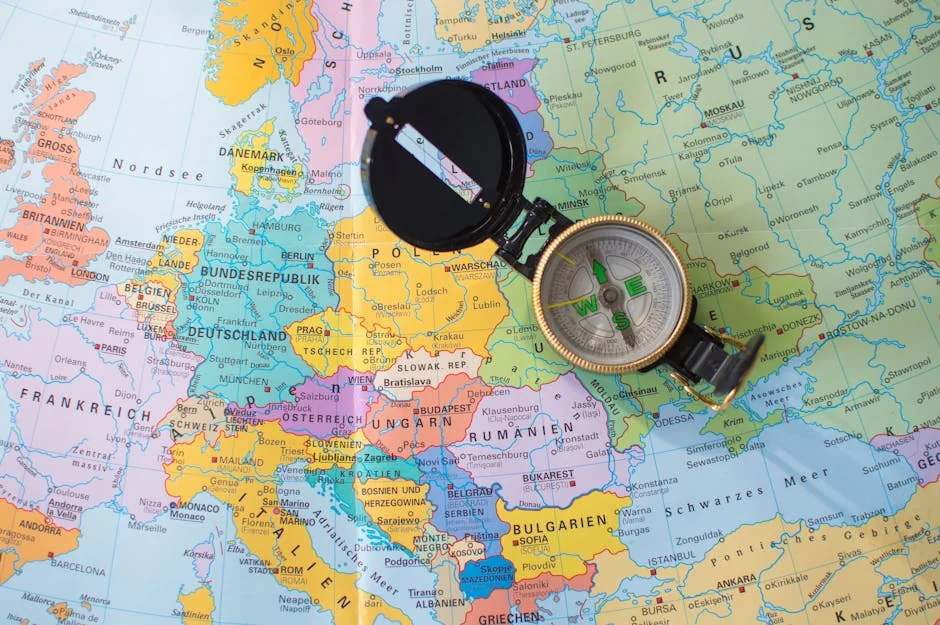
When comparing providers, it is important to evaluate more than just channel count. The best the concept services typically balance content quality, platform compatibility, customer support, and stream reliability. A long list of channels means little if buffering is constant or if the interface is difficult to navigate.
Here are the most important features to review:
1. Stream Stability and Quality
A quality provider should offer reliable playback with minimal buffering. Look for support for HD, Full HD, or 4K where available, but remember that higher resolution also depends on your internet speed and device capability. Good infrastructure matters more than exaggerated promises.
2. Device Compatibility
A strong the approach service should work on multiple devices, such as:
– Smart TVs
– Android TV boxes
– Amazon Fire TV devices
– Smartphones and tablets
– Laptops and desktop browsers
– MAG boxes or similar set-top devices
The wider the compatibility, the easier it is to use one subscription across your household.
3. Channel Variety and Language Options
European viewers often seek country-specific and multilingual content. A good provider may include entertainment, sports, news, kids’ channels, documentaries, and regional packages. For many users, language support is a deciding factor.
4. Electronic Program Guide (EPG)
An EPG improves usability by showing current and upcoming programming. Instead of guessing what is live, users can browse schedules in a familiar TV-like format. This is especially useful for families and sports fans.
5. Catch-Up and Video on Demand
Many people choose it because they want more control over when they watch. Catch-up TV lets viewers replay recent broadcasts, while on-demand libraries add films, shows, and special content without a fixed schedule.
6. Customer Support
Responsive support is essential when setup issues occur. Before buying, check whether the provider offers email, chat, setup guides, or active help documentation. Reliable support often reflects a more serious operation.
7. Trial Availability
Some providers offer short trials so users can test quality and compatibility before committing. A trial can reveal whether streams are stable during peak hours and whether the channel lineup meets expectations.
8. Transparent Pricing
Avoid vague subscription terms. A professional this provider should clearly explain:
– Billing period
– Number of supported connections
– Refund policy
– Supported devices
– Available features
The best decision usually comes from balancing performance, legality, content relevance, and ease of use rather than simply choosing the cheapest option.
Legal and Safety Considerations for IPTV Europe Users
Legal compliance is one of the most important aspects of choosing these services. While IPTV as a technology is completely legitimate, not every provider distributes content lawfully. The key issue is licensing. A provider must have the right to stream the channels, films, and events it offers.

This matters for several reasons. First, unauthorized services may disappear suddenly without warning. Second, stream quality may be inconsistent because the infrastructure is often unstable. Third, using questionable services can expose users to security and privacy risks, including suspicious apps, poor payment protection, or malware.
To evaluate legitimacy, consider the following signs:
– The provider clearly identifies its company or operator
– Terms of service and privacy policies are visible
– Payment methods are secure and transparent
– Official customer support exists
– Apps are available through recognized platforms when applicable
– Content rights and packages are described clearly
Users interested in they should also understand that laws and enforcement can vary by country. Europe is not a single legal environment for media distribution. Each market may have different rules related to copyright, broadcasting rights, and consumer protection. Sports broadcasting, in particular, is often tightly controlled.
Safety is another major concern. Some unofficial services encourage sideloading apps from unknown sources or using modified software. That creates unnecessary risks. If an app asks for excessive permissions or requires suspicious installation steps, it is wise to avoid it.
A few best practices can help users stay safer:
- Choose providers with a professional online presence
- Use secure payment methods
- Keep devices updated
- Avoid downloading files from unknown links
- Read independent reviews carefully
- Confirm legal compliance before subscribing
For households, legal and secure streaming also offers a better user experience. Authorized providers are more likely to provide stable apps, consistent updates, and dependable customer support. In the long run, reliability often matters more than unrealistic promises.
How to Set Up IPTV Europe at Home
Getting started with the concept is usually straightforward, but the exact process depends on the provider and the device you plan to use. Most users can complete the setup in a short time if they have a stable internet connection and compatible hardware.
Step 1: Check Your Internet Speed
For smooth streaming, internet quality matters. General recommendations are:
– 10 Mbps or more for HD streaming
– 25 Mbps or more for 4K streaming
– A stable connection with low congestion during peak hours
Whenever possible, use Ethernet for the best performance, especially on smart TVs or set-top boxes.
Step 2: Choose a Compatible Device
Common options for the approach include smart TVs, Android TV boxes, Fire TV devices, phones, tablets, and dedicated IPTV receivers. If you want a simple living-room setup, a smart TV or streaming stick is often enough. More advanced users may prefer a box with additional playback controls.
Step 3: Select a Provider
Before paying, review:
– Supported devices
– Channel categories
– Trial options
– Support quality
– App usability
– Subscription terms
A trustworthy it provider should make setup instructions easy to find.
Step 4: Install the App or Player
Depending on the service, you may need to install:
– A branded provider app
– A compatible IPTV player
– A portal-based login system
– A playlist or account credential setup
Always follow official instructions from the provider rather than random online tutorials.
Step 5: Enter Login Details
Most services require one of the following:
– Username and password
– M3U playlist URL
– Xtream-style login credentials
– MAC-based portal activation
Once entered correctly, the app should load channels, categories, and any available program guide data.
Step 6: Optimize Playback
To improve your experience with this, try these tips:
– Use wired internet when possible
– Restart the router if streams lag
– Close background apps on weaker devices
– Update the IPTV app regularly
– Lower stream resolution if your connection is unstable
Step 7: Organize Favorites
Most apps let you save favorite channels, sort categories, and search content faster. This becomes especially useful if your package includes large regional or international channel lists.
A well-configured IPTV setup can feel more convenient than traditional TV because it centralizes live channels, catch-up, and on-demand content in a single interface. The key is using a legal provider, reliable hardware, and a network connection that can support the stream quality you want.
How to Compare the Best IPTV Europe Options
With so many providers competing for attention, choosing the right these service requires a clear comparison method. Marketing claims can be exaggerated, so it helps to focus on measurable factors instead of flashy channel numbers or vague promises of “everything included.”
Compare by Viewing Needs

Start by asking what you actually watch:
– Local channels
– International channels
– Sports
– Movies and series
– Kids’ content
– News
– Multilingual programming
The right they option for one household may be completely wrong for another. A sports-heavy user has different priorities than a family focused on kids’ channels and local entertainment.
Compare by Performance
Look beyond screenshots and promotional text. Real performance includes:
– Fast channel loading
– Stable playback during peak evening hours
– Working EPG
– Minimal downtime
– Consistent app behavior across devices
A short test period can help verify whether the service performs well on your home network.
Compare by Usability
An easy interface saves time every day. Check whether the service offers:
– Clean navigation
– Search tools
– Category sorting
– Favorites management
– Multi-device support
– Clear account settings
These details strongly affect the long-term experience.
Compare by Support and Reputation
Before choosing the concept, see whether customer support responds promptly and whether users report ongoing service quality. One or two reviews are not enough; look for patterns across multiple sources. Consistent feedback about buffering, poor support, or sudden outages is a warning sign.
Compare by Transparency
A trustworthy provider should clearly explain:
– What is included
– Which devices are supported
– How many simultaneous connections are allowed
– Whether there is a trial
– How billing works
– What support channels exist
If the website hides basic details, that is often a bad sign.
Simple Comparison Checklist
Use this checklist when evaluating any the approach provider:
| Factor | What to Check |
|—|—|
| Legality | Clear licensing and transparent business details |
| Quality | HD/4K support, minimal buffering, stable uptime |
| Devices | Smart TV, mobile, streaming stick, set-top box support |
| Content | Relevant channels, languages, sports, VOD, catch-up |
| Interface | EPG, favorites, search, easy navigation |
| Support | Setup help, quick responses, active support channels |
| Pricing | Clear terms, refund rules, honest billing |
A careful comparison leads to better value and fewer technical headaches. Instead of chasing the largest channel list, focus on the service that fits your home, language needs, device setup, and viewing habits.
FAQ About IPTV Europe
What is IPTV Europe?
it generally refers to IPTV services designed for viewers in European countries or users seeking European channels, languages, and regional content. It can include live TV, catch-up services, and video on demand delivered through an internet connection.

Is IPTV Europe legal?
this is legal when the provider has the proper rights and licenses to distribute the content. IPTV itself is a legitimate technology, but some services may offer channels without authorization. Users should always verify legality before subscribing.
What internet speed do I need for IPTV Europe?
For these, most households should aim for at least 10 Mbps for HD streaming and 25 Mbps or more for 4K content. Stability is just as important as speed, so a strong home network can improve viewing quality significantly.
Which devices support IPTV Europe?
Many iptv europe services work on smart TVs, Android TV boxes, Fire TV devices, smartphones, tablets, and computers. Some providers also support dedicated IPTV boxes or portal-based receivers.
How do I choose the best IPTV Europe provider?
The best iptv europe provider depends on your needs. Compare legality, stream reliability, device compatibility, channel relevance, app usability, support quality, and transparent pricing before making a decision.
Can I watch international channels with IPTV Europe?
Yes, many iptv europe services are popular because they offer regional and international content, including multilingual channels. Availability depends on the provider’s licensed packages and supported markets.
Conclusion
As streaming habits continue to evolve, iptv europe has become an important option for viewers who want flexibility, broad device support, and access to diverse content across languages and regions. The best experience comes from choosing a service carefully rather than focusing only on price or channel count. Stream stability, legal compliance, customer support, and device compatibility all matter when building a reliable setup at home. Whether you want local channels, international programming, sports, or on-demand entertainment, a well-chosen iptv europe solution can offer a modern and convenient alternative to traditional television. Take time to compare providers, test compatibility, review legal details, and optimize your internet connection so you can enjoy a smoother and safer streaming experience.