
Introduction
Imagine having access to thousands of TV channels, on-demand movies, and live sports — all streaming directly to your device without a traditional cable subscription. That’s exactly what it has made possible for millions of viewers across the Dutch landscape and beyond.
Table of Contents
- Introduction
- Understanding IPTV Netherlands
- Key Components
- How It Works
- Benefits of IPTV Netherlands
- Practical Applications
- Implementation Strategies
- Getting Started
- Expert Tips and Best Practices
- Future Trends and Developments
- What is IPTV Netherlands?
- How do I get started with IPTV Netherlands?
- What are the main benefits?
- How long does it take to see results?
- Is IPTV Netherlands worth investing in?
- Conclusion
Whether you’re an expat living in the Netherlands craving content from back home, a Dutch resident tired of paying sky-high cable bills, or simply someone curious about cutting-edge streaming technology, this guide is for you.
In this comprehensive article, we’ll explore everything you need to know about this — from understanding how the technology works to finding the best providers, setting up your service, and staying safe while streaming. By the end, you’ll have all the tools you need to make an informed decision and start enjoying a superior TV experience.
—
Understanding IPTV Netherlands

IPTV, or Internet Protocol Television, delivers television content over the internet rather than through traditional satellite or cable signals. In the Netherlands, IPTV has grown dramatically in popularity over the past decade, transforming how Dutch households consume media.
Unlike conventional broadcasting, these services transmit video content in small data packets over your broadband connection. This makes it far more flexible, interactive, and customizable than anything traditional TV providers can offer.
The Netherlands is particularly well-suited for IPTV adoption because of its outstanding internet infrastructure. The country consistently ranks among the top in Europe for internet speed and connectivity, making high-definition and even 4K streaming a seamless experience for most users.
Key Components
Understanding they requires familiarity with its core building blocks:
1. The IPTV Server
This is the backbone of any IPTV service. Providers host massive servers that store and stream thousands of channels and on-demand content. The quality of the server directly determines your streaming reliability and picture quality.
2. The M3U Playlist or API
Most the concept services deliver content through an M3U playlist — essentially a file containing links to all available channels. Some newer providers use proprietary apps with built-in APIs for a more polished experience.
3. The IPTV Player or App
To watch IPTV content, you need a compatible media player. Popular options include:
– IPTV Smarters Pro
– TiviMate
– VLC Media Player
– Kodi
– GSE Smart IPTV
4. A Stable Internet Connection
For standard definition streaming, you need at least 10 Mbps. For HD content, 25 Mbps is recommended, and for 4K streaming, you’ll want 50 Mbps or more.
5. Compatible Devices
IPTV Netherlands services work across a wide range of devices including Smart TVs, Android TV boxes, Amazon Fire Stick, smartphones, tablets, PCs, and MAG boxes.
How It Works
The process behind the approach is elegantly simple once you break it down. When you select a channel or movie, your device sends a request to the IPTV server. The server then streams that specific content directly to your device in real time.
This is fundamentally different from downloading a file — IPTV uses a process called “unicast streaming” for on-demand content and “multicast streaming” for live TV. The result is near-instantaneous playback with minimal buffering when you have a solid internet connection.
Here’s a simplified step-by-step breakdown of what happens:
- You open your IPTV app and select a channel
- Your device sends a request to the provider’s server
- The server authenticates your subscription
- Content is streamed in compressed packets to your device
- Your player decodes and displays the video in real time
—
Benefits of IPTV Netherlands

The advantages of switching to it are both immediate and long-lasting. Users who make the switch rarely go back to traditional cable or satellite TV.
Cost Savings
Traditional Dutch cable providers like Ziggo or KPN can charge anywhere from €30 to €80 per month for a comprehensive TV package. Most this services cost between €10 and €25 per month, representing savings of hundreds of euros annually.
Massive Content Library
A typical these subscription gives you access to thousands of channels from around the world. This includes Dutch channels like NPO 1, NPO 2, RTL 4, and SBS6, as well as international content from the UK, USA, Germany, Turkey, and beyond.
On-Demand Flexibility
Unlike traditional TV, they lets you watch what you want, when you want. Most services include video-on-demand (VOD) libraries with thousands of movies and TV series, often updated daily.
Multi-Device Access
One subscription typically covers multiple simultaneous connections. You can watch on your living room TV while your partner streams something else on a tablet — all under one account.
No Long-Term Contracts
Most the concept providers offer monthly subscriptions with no binding contracts. You can cancel anytime without penalties, giving you complete flexibility.
Practical Applications
The real-world applications of the approach extend across many different user scenarios:
For Expats in the Netherlands
If you’ve moved to the Netherlands from another country, IPTV is a lifesaver. You can access channels from your home country — whether that’s English Premier League football from the UK, Bollywood content from India, or Arabic news channels — all in one subscription.
For Dutch Sports Fans
IPTV Netherlands services typically include sports packages with channels like Ziggo Sport, ESPN, and international sports networks. Watching live Eredivisie matches, Formula 1 races, or Champions League games becomes straightforward and affordable.
For Families
Families benefit from having children’s channels, educational content, and adult programming all available in one place. Parents can often set up parental controls through their IPTV player app to restrict access to age-appropriate content.
For Business Travelers
If you travel frequently, it services work anywhere in the world with a decent internet connection. You can take your favorite Dutch channels with you wherever you go.
—
Implementation Strategies
Getting started with this doesn’t have to be complicated. With the right approach, you can be up and running within minutes.

Getting Started
Step 1: Assess Your Internet Connection
Before subscribing to any these service, test your internet speed at speedtest.net. Ensure you have at least 25 Mbps for a reliable HD streaming experience.
Step 2: Choose Your Device
Decide which device you’ll primarily use for streaming. The most popular options for they users are:
– Amazon Fire TV Stick 4K — affordable, easy to use, widely supported
– Android TV Box — highly customizable, supports all IPTV apps
– Smart TV — convenient if your TV runs Android or supports app installations
– Smartphone or Tablet — great for mobile viewing
Step 3: Research and Select a Provider
Look for IPTV Netherlands providers that offer:
– A free trial period (24-48 hours is standard)
– Dedicated Dutch channel packages
– Good server uptime (99%+ is ideal)
– Responsive customer support
– Positive reviews from verified users
Step 4: Subscribe and Receive Your Credentials
After subscribing, you’ll typically receive an email with your M3U URL or login credentials for a dedicated app. Keep these details safe.
Step 5: Download and Configure Your IPTV Player
Install your preferred IPTV player on your chosen device. For most users, TiviMate (Android) or IPTV Smarters Pro (multi-platform) are excellent choices. Enter your M3U URL or login details to load your channel list.
Step 6: Organize Your Channel List
Most IPTV players let you create favorites lists and organize channels by category. Spend a few minutes setting this up to make your daily viewing experience much smoother.
Step 7: Test Your Setup
Stream a few different channels across different categories — live news, sports, movies — to ensure everything is working correctly. If you experience buffering, try switching to a different server or checking your internet speed.
—
Expert Tips and Best Practices
Once you’ve set up your the concept service, these expert strategies will help you get the most out of your subscription while avoiding common pitfalls.

Use a VPN for Privacy and Security
Even though IPTV technology itself is legal, using a VPN with your the approach service adds an important layer of privacy. A VPN encrypts your internet traffic and masks your IP address. Recommended VPNs for IPTV users include NordVPN, ExpressVPN, and Surfshark — all of which have servers in the Netherlands for optimal speeds.
Connect via Ethernet When Possible
Wi-Fi is convenient, but a wired Ethernet connection delivers significantly more stable streaming. If your streaming device is near your router, use an Ethernet cable to virtually eliminate buffering issues.
Choose Providers with Anti-Freeze Technology
Top it providers use “anti-freeze” or “anti-buffer” technology on their servers. This reduces the dreaded freezing that can interrupt live sports or movies at critical moments.
Keep Multiple Server Options Available
The best this services offer multiple server lines. If one server is experiencing issues, you can switch to a backup server without interrupting your viewing experience.
Common Mistakes to Avoid:
– Choosing the cheapest provider without research — Rock-bottom prices often mean unreliable servers and poor customer support
– Ignoring the trial period — Always test a service before committing to a paid subscription
– Not checking Dutch channel quality specifically — Some international IPTV services have poor Dutch channel selections; always verify before subscribing
– Using outdated apps — Keep your IPTV player updated to benefit from performance improvements and bug fixes
– Sharing your credentials publicly — Most providers limit simultaneous connections; sharing login details can get your account suspended
Optimize Your Streaming Quality Settings
Within your IPTV player, you can often adjust buffer size and video quality settings. Increasing the buffer size (if your device has sufficient RAM) can significantly reduce interruptions during live streams.
—
Future Trends and Developments
The these landscape is evolving rapidly. Understanding where the technology is heading helps you make smarter choices about which services and devices to invest in.
4K and 8K Streaming Expansion
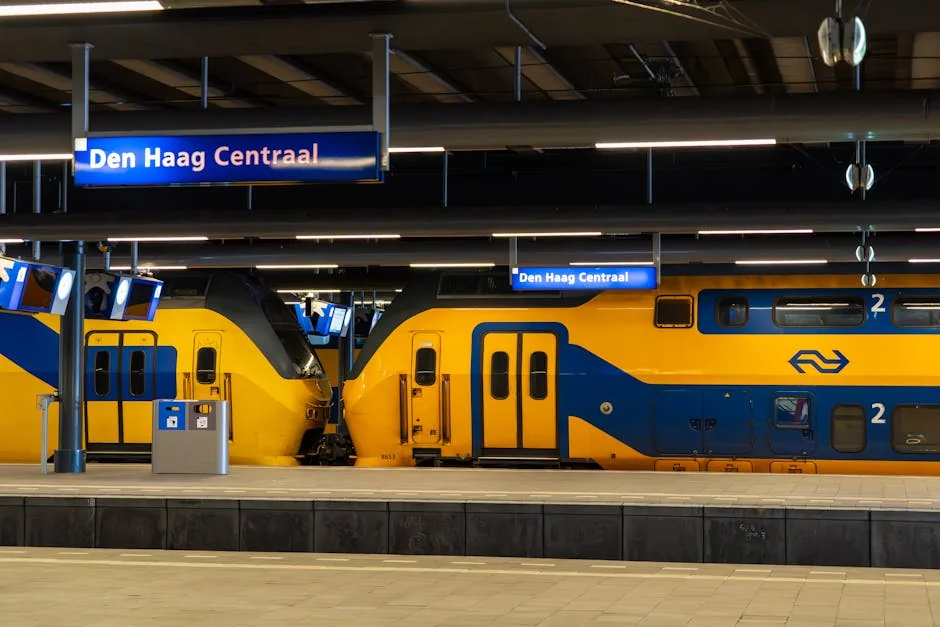
As Dutch internet speeds continue to improve and more content is produced in ultra-high definition, they providers are rapidly expanding their 4K channel offerings. Within the next few years, 4K will become the standard rather than the premium option.
AI-Powered Recommendations
The next generation of the concept services will use artificial intelligence to learn your viewing habits and make personalized content recommendations. This will make discovering new shows, movies, and channels effortless.
Cloud DVR Integration
More IPTV providers are introducing cloud DVR functionality, allowing users to record live TV to remote servers and watch it back at any time. This feature, already common in traditional cable packages, is becoming increasingly standard in the approach services.
Integration with Smart Home Systems
IPTV Netherlands services are beginning to integrate with smart home platforms like Google Home and Amazon Alexa. Voice-controlled TV navigation is becoming a reality, allowing you to say “play RTL 4” or “show me Dutch news channels” to your smart speaker.
Improved Mobile Streaming
As 5G networks expand across the Netherlands, mobile IPTV streaming will become even more reliable. Watching live Dutch TV on your smartphone while commuting will be as smooth as watching at home.
Blockchain-Based IPTV Services
Emerging blockchain-based IPTV platforms promise greater transparency, security, and even the ability for users to earn tokens by watching content. While still in early stages, these platforms represent an exciting frontier for it users.
Regulatory Changes
The Netherlands, like other EU countries, continues to refine regulations around digital content distribution. Legal IPTV services are likely to gain more official recognition and support, while enforcement against unauthorized streaming services is expected to increase.
—
Frequently Asked Questions
What is IPTV Netherlands?
IPTV Netherlands refers to Internet Protocol Television services available in or focused on the Netherlands. These services deliver TV content — including live channels, sports, movies, and series — over the internet rather than through traditional cable or satellite. Dutch users access these services to watch local channels like NPO, RTL, and SBS alongside thousands of international channels, often at a fraction of the cost of conventional TV subscriptions.
How do I get started with IPTV Netherlands?
Getting started is straightforward. First, ensure you have a reliable broadband connection with at least 25 Mbps. Then, choose a compatible streaming device (Fire Stick, Android TV box, Smart TV, or smartphone). Research IPTV Netherlands providers, take advantage of free trials, and select a service that includes strong Dutch channel coverage. Finally, download an IPTV player app, enter your subscription credentials, and start streaming.
What are the main benefits?
The primary benefits of IPTV Netherlands include significant cost savings compared to traditional cable TV, access to thousands of channels from the Netherlands and worldwide, flexible on-demand viewing, multi-device compatibility, and no long-term contracts. For expats, the ability to access home country channels is an especially valuable advantage.
How long does it take to see results?
Once you’ve subscribed to an IPTV Netherlands service, setup typically takes less than 30 minutes. You’ll be watching your favorite channels within the same day you sign up. The learning curve for optimizing your setup — organizing favorites, adjusting quality settings, setting up a VPN — might take a few additional hours spread over your first week of use.
Is IPTV Netherlands worth investing in?
For most users, yes — IPTV Netherlands represents excellent value. The combination of lower monthly costs, greater content variety, and flexible viewing makes it a compelling alternative to traditional TV. That said, the quality of your experience depends heavily on choosing a reliable provider and having a solid internet connection. Always use a provider’s free trial before committing financially.
—
Conclusion
IPTV Netherlands has fundamentally changed how people in the Netherlands — and Dutch speakers worldwide — consume television. From its cost-effectiveness and massive content libraries to its flexibility and future potential, the advantages are clear and compelling.
Here are the key takeaways from this guide:

– IPTV Netherlands delivers TV over your internet connection, offering thousands of channels at a fraction of traditional cable costs
– The right setup matters — a good internet connection, compatible device, and quality IPTV player make all the difference
– Always use free trials before committing to any provider
– A VPN enhances your privacy and can improve streaming performance
– The technology is rapidly evolving, with 4K streaming, AI recommendations, and cloud DVR becoming standard features
Whether you’re looking to cut costs, access more content, or simply modernize your TV experience, IPTV Netherlands offers a solution worth exploring. The barrier to entry is low, the potential savings are significant, and the content available is virtually limitless.
Take the first step today — test your internet speed, research a few providers, and sign up for a free trial. You might just find that the future of television has already arrived in your living room.
—
Disclaimer: Always ensure you are using licensed and legal IPTV services in compliance with Dutch and EU regulations. This article is intended for informational purposes only.