Introduction
it is a common term used when people talk about streaming television channels through playlist files that work with compatible media players and apps. These playlists can organize live TV, video-on-demand content, and radio streams into a format that is easy to load on devices such as smart TVs, phones, tablets, computers, and streaming boxes. Because the format is simple and widely supported, many users search for practical ways to understand how it works, how to set it up, and how to use it safely.
This guide explains the basics, outlines common setup methods, reviews important legal and security considerations, and shares tips for improving streaming performance. If you want a clear, user-friendly overview of this, this article will help you get started with confidence.
Table of Contents
- Introduction
- What Is m3u iptv and How Does It Work?
- How to Set Up m3u iptv on Different Devices
- Smart TVs
- Smartphones and Tablets
- Computers and Laptops
- Streaming Devices and TV Boxes
- Basic Setup Tips
- Benefits, Limitations, and Legal Considerations of m3u iptv
- Benefits
- Limitations
- Legal and Ethical Use
- Security Best Practices
- Best Practices to Improve m3u iptv Streaming Performance
- Choose a Stable Internet Connection
- Use a Reliable Player
- Keep Playlists Clean and Updated
- Adjust Streaming Settings
- Match Device Capability to Stream Quality
- How to Choose the Right App and Playlist for m3u iptv
- What to Look for in an App
- Signs of a Good Playlist Source
- Avoid Common Mistakes
- FAQ
- What is m3u iptv used for?
- Is m3u iptv legal?
- How do I add m3u iptv to a player?
- Why is m3u iptv buffering?
- Can I use m3u iptv on a smart TV?
- Conclusion
What Is m3u iptv and How Does It Work?

At its core, these refers to the use of M3U playlist files for internet protocol television streaming. An M3U file is a plain text playlist that contains links to media streams. Instead of storing the video itself, it points your player to the source where the content is hosted. When you open the playlist in a compatible app, the software reads the links and displays available channels or media items.
This format became popular because it is lightweight, flexible, and supported by many apps. Users can load playlists manually by uploading a file or simply entering a remote URL. Once imported, the player may organize channels by category, country, language, or genre, depending on the information included in the playlist.
A typical playlist may contain:
– Live TV channel links
– Video-on-demand entries
– Radio station streams
– Metadata such as channel names and logos
– Electronic program guide references
One reason they remains widely used is compatibility. Many applications on Android, iOS, Windows, macOS, Linux, and smart TV platforms support M3U playlists. Some apps also allow users to combine playlists with EPG sources so they can browse schedules and upcoming programming more easily.
However, not all playlists are equal. Some are well-organized and stable, while others may contain broken links, duplicate entries, or outdated streams. The streaming experience depends heavily on the quality of the source, the device performance, and the user’s internet connection. A fast and stable network generally improves playback and reduces buffering.
For beginners, understanding this simple idea helps a lot: the playlist is not the video content itself. It is more like an index that tells your app where to find media streams online. That is why management, updates, and source quality matter so much.
How to Set Up m3u iptv on Different Devices
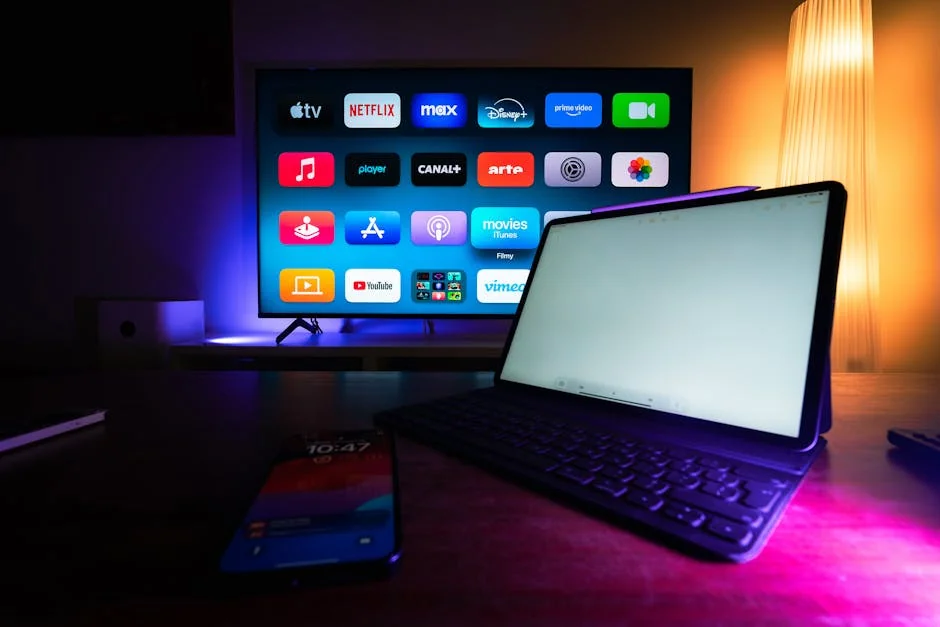
Setting up the concept is usually straightforward, but the exact process depends on the device and app you use. The core steps are similar across most platforms: install a compatible player, add your playlist, and optionally connect an EPG source.
Smart TVs
Many smart TVs support IPTV players through their app stores. After installing a player:
- Open the app
- Choose the option to add a playlist
- Enter the M3U URL or upload the file
- Save and refresh the channel list
- Add EPG information if supported
Smart TVs are convenient because they provide a large-screen experience without needing extra hardware. Still, performance may vary depending on your TV’s processor and memory.
Smartphones and Tablets
Mobile devices are among the easiest platforms for the approach setup. Most apps allow quick import through copied URLs or local files. On phones and tablets, users often benefit from:
– Portable viewing
– Touch-based navigation
– Easy playlist switching
– Fast app updates
A stable Wi-Fi connection is ideal, though strong mobile data can also work for many streams.
Computers and Laptops
On desktops, users often prefer media players that support extensive playlist controls. You can usually:
– Import a local M3U file
– Paste a remote playlist URL
– Sort or search channels
– Customize playback settings
– Record or favorite selected streams in some apps
This makes computers a flexible option for users who want more control over their viewing setup.
Streaming Devices and TV Boxes
Dedicated streaming devices are popular because they are affordable and often more powerful than built-in smart TV systems. After installing a player, the setup process is generally the same. A good remote-friendly interface can make it more comfortable to browse, especially when handling large channel lists.
Basic Setup Tips
To improve your experience on any device:
– Use a reliable internet connection
– Keep your player app updated
– Confirm the playlist URL is correct
– Restart the app after importing new data
– Use wired Ethernet when possible for better stability
Even though setup is simple, users sometimes run into issues such as channels failing to load, freezing streams, or missing logos. These problems are often related to the playlist provider, app compatibility, or network performance rather than the format itself.
Benefits, Limitations, and Legal Considerations of m3u iptv
There are clear advantages to using this, but there are also important limitations and responsibilities that users should understand.

Benefits
The biggest advantage is flexibility. M3U playlists are easy to update, share, and load across multiple devices. Users can often access content through a single playlist rather than managing separate links one by one. Other benefits include:
– Broad device compatibility
– Lightweight file format
– Support for live and on-demand content
– Easy integration with EPG data
– Simple import and management process
For many users, convenience is the main appeal. A single playlist can organize dozens or even thousands of entries in one place.
Limitations
Despite its convenience, these is not perfect. Playlists can become outdated quickly if stream sources change. Poorly maintained lists may contain non-working entries, duplicates, or mislabeled channels. Additional limitations include:
– Buffering due to weak internet
– Playback issues from overloaded servers
– Inconsistent metadata
– Varying app quality across platforms
– Security concerns from unknown sources
The user experience can vary dramatically depending on the reliability of the playlist and the quality of the player being used.
Legal and Ethical Use
One of the most important topics surrounding they is legality. The M3U format itself is simply a file type and is not illegal. What matters is whether the content being accessed is properly licensed and distributed with permission. Users should always make sure they are using lawful sources and authorized services.
It is wise to avoid unknown or suspicious playlists that promise unrestricted premium content without clear licensing information. In addition to legal risks, these sources may expose users to malware, scams, or privacy threats. Before using any playlist or app, check its reputation, provider transparency, and user reviews.
Security Best Practices
To use streaming tools more safely:
– Download apps from official stores
– Avoid random links from untrusted websites
– Review app permissions carefully
– Keep devices updated
– Use strong network security at home
A cautious approach helps users enjoy streaming while reducing potential risks tied to unverified services.
Best Practices to Improve m3u iptv Streaming Performance
If you want smoother playback, optimizing your setup is essential. the concept performance depends on several factors, including stream source quality, internet speed, player efficiency, and device capability.

Choose a Stable Internet Connection
Streaming quality often rises or falls with your network. High-definition channels usually require stronger bandwidth than standard-definition streams. To improve stability:
– Use high-speed broadband
– Prefer Ethernet over Wi-Fi when possible
– Place your router closer to the device
– Limit simultaneous heavy downloads on the same network
Even with a good playlist, poor connectivity can lead to buffering and interruptions.
Use a Reliable Player
Not all IPTV players perform equally well. Some have better buffering control, codec support, and interface design. A quality player can make the approach easier to manage by offering:
– Faster loading times
– Better channel organization
– Search and favorites tools
– EPG support
– Playback adjustment settings
Choosing a trusted and regularly updated app can significantly improve the experience.
Keep Playlists Clean and Updated
Over time, playlists may fill with broken or slow links. Regular maintenance helps keep navigation cleaner and playback more reliable. Users should remove non-working entries when possible and reload updated sources periodically.
A smaller, better-organized playlist often performs better than an oversized one loaded with duplicates and dead links. If your player supports categories, use them to simplify browsing.
Adjust Streaming Settings
Some apps allow users to change buffering size, decoder mode, or stream format preferences. These options may help reduce freezing on lower-powered devices. Testing different settings can improve it playback, especially if the app supports hardware acceleration.
Match Device Capability to Stream Quality
Older phones, smart TVs, or boxes may struggle with high-resolution content. If playback stutters, the issue may be hardware-related rather than network-related. In that case:
– Lower the stream resolution if available
– Close other apps running in the background
– Restart the device regularly
– Free up storage and memory
These simple adjustments can make streaming more consistent over time.
How to Choose the Right App and Playlist for m3u iptv
Selecting the right tools matters just as much as understanding the format. this works best when paired with a dependable player and a legitimate, well-maintained playlist source.
What to Look for in an App

A good IPTV player should offer both ease of use and strong compatibility. Features worth considering include:
– Support for M3U URLs and file uploads
– EPG integration
– Clean and responsive interface
– Multi-device compatibility
– Search, favorites, and category filtering
– Regular software updates
The best app for one person may not be ideal for another. Some users prioritize simplicity, while others want advanced customization options.
Signs of a Good Playlist Source
A quality playlist source is usually transparent, updated regularly, and consistent in labeling. When evaluating options, look for:
– Clear content licensing or authorized access
– Updated links
– Accurate channel names
– Minimal duplicate entries
– Stable stream availability
A poorly managed source can create endless frustration, even with a great player.
Avoid Common Mistakes
Many beginners assume every playlist will work the same way. In reality, these success depends on using trusted tools and reasonable expectations. Common mistakes include:
– Importing expired playlist URLs
– Using overloaded free sources
– Ignoring app updates
– Expecting all channels to work indefinitely
– Overlooking legal and privacy concerns
By choosing carefully from the start, users can avoid many of the most common setup and playback problems.
FAQ
What is m3u iptv used for?
m3u iptv is used to organize and access internet-based media streams through playlist files. These playlists can include live television channels, on-demand videos, and radio streams that work in compatible apps and players.

Is m3u iptv legal?
m3u iptv as a file format is legal. The legal issue depends on the source of the streams and whether the content is properly licensed. Always use authorized providers and legitimate playlist sources.
How do I add m3u iptv to a player?
To add m3u iptv to a player, install a compatible app, then either upload the M3U file or paste the playlist URL into the app’s playlist section. After that, refresh the channel list and add EPG data if needed.
Why is m3u iptv buffering?
m3u iptv buffering can happen due to slow internet speeds, overloaded stream servers, weak Wi-Fi signals, outdated apps, or low-powered devices. Improving your network and using a reliable player can help reduce interruptions.
Can I use m3u iptv on a smart TV?
Yes, m3u iptv can be used on many smart TVs through compatible IPTV player apps. Setup usually involves installing the app, entering a playlist URL, and loading the channels.
Conclusion
m3u iptv remains one of the most widely used ways to organize and access streaming content through compatible apps and devices. Its popularity comes from its simple structure, broad device support, and flexible playlist-based setup. At the same time, the overall experience depends on several factors, including stream quality, app performance, internet stability, and the legitimacy of the content source.
If you plan to use m3u iptv, focus on trusted apps, lawful playlist providers, and a stable internet connection. With the right setup and a careful approach to safety and legality, users can create a smoother and more reliable streaming experience across many different devices.