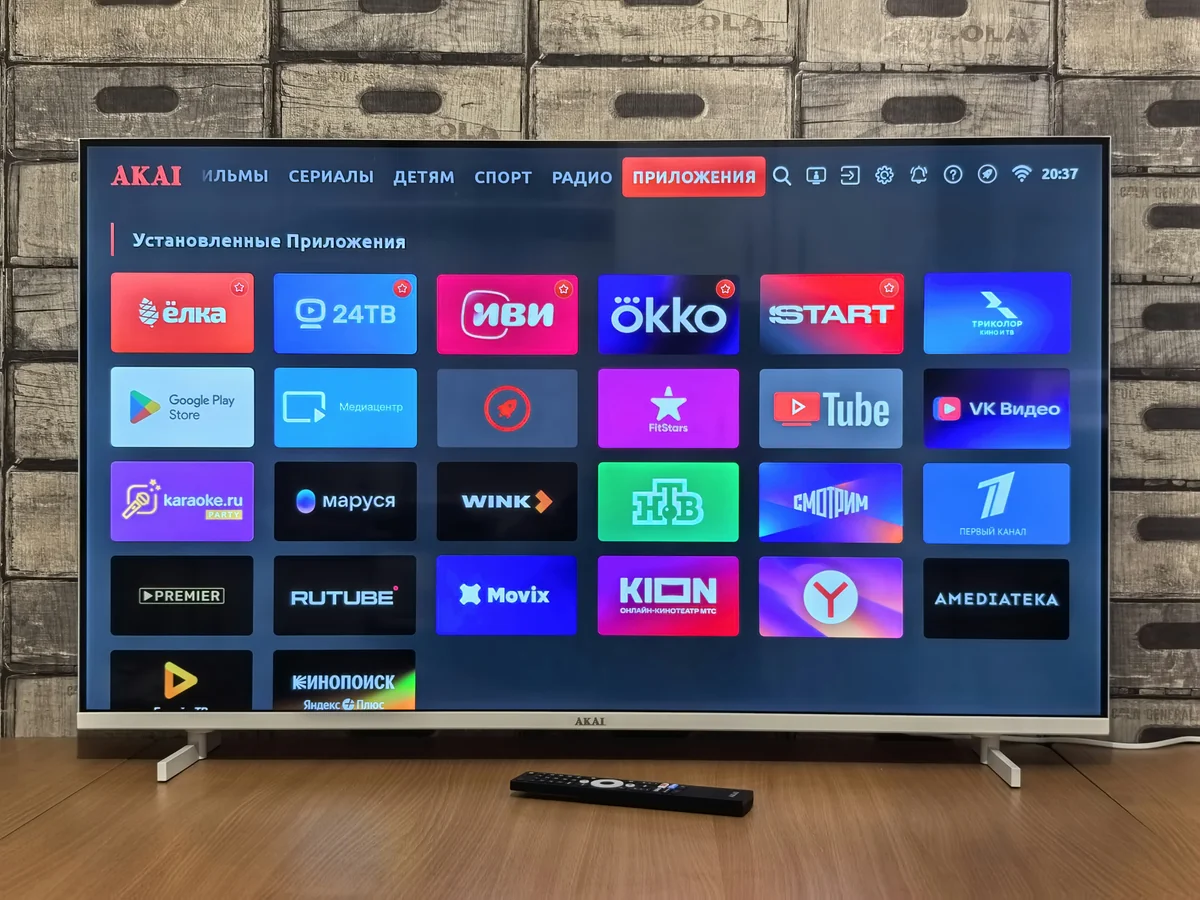
In today’s digital age, the way we consume television is undergoing a radical transformation. it, or Internet Protocol Television, is at the forefront of this revolution. This technology delivers television content over your internet connection instead of traditional satellite or cable formats.
Table of Contents
- What Is IPTV and How Does It Work?
- Key Technical Components
- Protocols That Make It Possible
- The 3 Main Types of IPTV Services
- 1. Video on Demand (VOD)
- 2. Time-Shifted Television (Catch-Up TV)
- 3. Live IPTV Broadcasting
- Essential Benefits of Choosing IPTV
- How to Choose a Reliable IPTV Provider
- Setting Up Your IPTV System: A Practical Guide
- Basic Setup Requirements
- Step-by-Step Installation on a Streaming Device
- Optimizing Your Home Network for Streaming
- What is the difference between IPTV and streaming?
- Do I need a special box for IPTV?
- Is IPTV legal?
- Why does my IPTV service keep buffering?
- Can I record shows with an IPTV service?
- Conclusion
This shift offers unparalleled flexibility and control to the viewer. Understanding how this service works is key to unlocking a new world of entertainment. This guide will provide you with ten essential insights into this modern viewing platform.
What Is IPTV and How Does It Work?
this stands for Internet Protocol Television. It is a system where digital television service is delivered using the Internet Protocol over a network infrastructure. This network is often a broadband connection, but it can also be delivered via a managed private network.
Unlike traditional broadcast methods, this technology sends only the channel you request. This “on-demand” delivery method is more efficient. It contrasts with satellite TV, which broadcasts all channels simultaneously.
The core process involves three primary components. First, live TV streams and on-demand video are encoded into a digital IP format. Second, these streams are securely packaged and delivered across the internet. Finally, the content is decoded by a set-top box or app on your device for viewing.
Key Technical Components
The architecture relies on several key systems. A super head-end is the central facility that acquires and prepares all the content. This includes live satellite feeds and on-demand media libraries.
The Video on Demand (VOD) server stores and manages pre-recorded content. When you select a movie, this server streams it directly to you. This is a true unicast, one-to-one connection.
Finally, the these middleware acts as the user interface you interact with. It manages the electronic program guide (EPG), billing, and your subscription. This software bridges the gap between the complex delivery network and the simple user experience.
Protocols That Make It Possible
Specific internet protocols enable smooth video delivery. The Internet Group Management Protocol (IGMP) is used for live channel broadcasting. It manages how your device joins and leaves a “multicast” stream.
For Video on Demand services, the Real-Time Streaming Protocol (RTSP) is commonly used. It allows you to control the stream with commands like play, pause, and stop. This protocol gives you VCR-like control over your content.
These technical foundations ensure a stable and high-quality viewing experience. They are the invisible engines powering your modern TV service.
The 3 Main Types of IPTV Services
 Unsplash
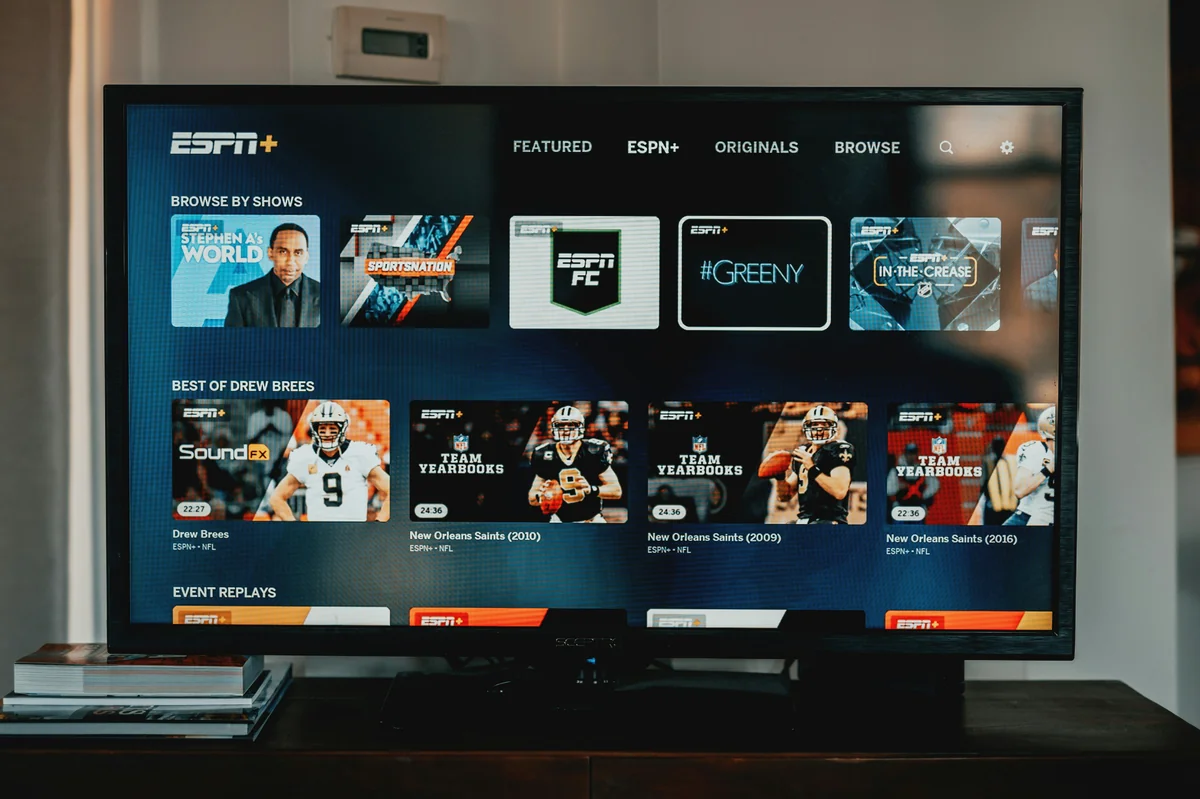
Not all services are created equal. They generally fall into three distinct categories. Each type offers a different viewing model and level of control for the user.
Understanding these differences helps you choose the right service. Your viewing habits will determine which type is most suitable. The three primary models are Video on Demand, Time-Shifted Media, and Live Television.
1. Video on Demand (VOD)
VOD is the most flexible model, similar to popular streaming platforms. It allows you to select and watch video content whenever you choose. There are no scheduled broadcast times to follow.
You browse a catalog of movies, TV series, and specials. Once you select a title, it begins streaming immediately. You can typically pause, rewind, and fast-forward as you wish.
This model is perfect for binge-watching your favorite shows. It puts you completely in control of your entertainment schedule. Major platforms like Netflix operate on a VOD principle, though they are distinct from traditional they VOD libraries.
2. Time-Shifted Television (Catch-Up TV)
This model bridges the gap between live TV and VOD. It allows you to watch broadcast programs that aired hours or days ago. Networks often offer a “catch-up” window, typically ranging from 24 hours to one week.
You are not watching live, but the content is still tied to a broadcast schedule. A common example is watching yesterday’s news bulletin this morning. This service adds significant convenience to traditional TV viewing.
It eliminates the need for a physical DVR in many cases. The service provider’s cloud stores the content for you. This is a core feature of many legitimate the concept provider packages.
3. Live IPTV Broadcasting
This type streams live television broadcasts in real-time over the internet. It includes live sports, news events, and award shows. The experience mimics traditional cable or satellite TV but uses your internet connection.
It requires a robust and stable internet connection to avoid buffering. Many providers offer hundreds of live channels from around the world. This is the most popular model for replacing a traditional pay-TV subscription.
The quality of live streaming has improved dramatically with modern compression. It now reliably delivers high-definition and even 4K content. Choosing a reputable provider is crucial for a good live streaming experience.
Essential Benefits of Choosing IPTV
Why are millions of viewers switching to this technology? The advantages over traditional TV are significant and multifaceted. They range from cost savings to a vastly improved user experience.
The benefits extend beyond simple convenience. They represent a fundamental upgrade in how we interact with media. Here are the key advantages that make this service so compelling.
Superior Content Flexibility and Control. You are no longer a passive viewer tied to a schedule. Watch what you want, when you want, on the device of your choice. Pause live TV, rewind key moments, and start a show from the beginning if you tune in late.
Potential for Significant Cost Savings. Many services are more affordable than comparable cable or satellite packages. You often pay for only the channels or content you actually want. There are no hidden fees for equipment rentals or installation visits.
High-Definition and 4K Streaming Quality. Modern providers prioritize high-quality video and audio. With a good internet connection, you can enjoy crystal-clear HD and Ultra HD content. The picture quality often surpasses compressed satellite signals.
Multi-Device and Cross-Platform Compatibility. Watch on your smart TV, smartphone, tablet, laptop, or dedicated set-top box. Most services allow multiple simultaneous streams on different devices. Your entertainment truly becomes portable and personalized.
Vast Global Channel Selection. Access content from different countries and cultures with ease. This is a major draw for expatriates and multilingual households. A world of programming is available at your fingertips with a reliable the approach subscription.
Interactive Features and Integration. Many services integrate with other internet-based applications. This can include video calling, shopping, or personalized advertising. The two-way nature of the internet enables features impossible on traditional broadcast TV.
How to Choose a Reliable IPTV Provider
Selecting a provider is the most critical step. The market contains both legitimate services and unauthorized, unreliable streams. Making an informed choice protects your investment and ensures a quality experience.
A legitimate provider has the rights to distribute the content they offer. They invest in reliable server infrastructure and customer support. Here is a step-by-step guide to finding a trustworthy service.
1. Verify Legitimacy and Content Licensing. This is the most important factor. A legal provider will be transparent about their business and partnerships. They have official agreements with channel networks and content producers.
Avoid services offering thousands of channels for a suspiciously low monthly fee. These are often pirated streams that can disappear overnight. Research the company’s name, look for official websites, and check for reviews from reputable tech publications.
2. Evaluate the Channel List and VOD Library. Don’t just look at the total number of channels. Scrutinize whether they offer the specific channels and leagues you want. Check for the availability of premium sports networks, movie channels, and local stations.
Examine the size and quality of the Video on Demand library. A good VOD section should be regularly updated with new releases. Ensure the content is in a language and resolution that meets your needs.
3. Test the Service with a Trial Period. Never commit to a long-term subscription without testing first. A reputable it provider will almost always offer a free or low-cost trial. This is your chance to assess stream stability, picture quality, and the electronic program guide.
Use the trial during peak evening hours when internet traffic is high. Test channel switching speed, VOD playback, and the reliability of live sports streams. Check for consistent HD quality without excessive buffering or pixelation.
4. Check Device Compatibility and App Quality. Ensure the service works seamlessly on the devices you own. Most providers support apps for Android, iOS, Amazon Fire TV, and smart TVs. Some may offer dedicated apps or use common players like VLC or Tivimate.
The user interface should be intuitive and responsive. A well-designed EPG (Electronic Program Guide) is essential for navigating live TV. Poor app design can ruin an otherwise good service.
5. Assess Customer Support and Service Uptime. Look for providers with multiple support channels like email, chat, or ticket systems. Read user reviews to see how they handle technical issues or outages. Reliable support is crucial for troubleshooting playback problems.
Research the provider’s uptime history and server stability. Services with a history of frequent downtime should be avoided. A good provider will have redundant servers to maintain service during maintenance or high load.
Setting Up Your IPTV System: A Practical Guide
Once you’ve chosen a provider, setting up the service is straightforward. The process varies slightly depending on your chosen device. The core steps involve installing an app, entering your subscription details, and configuring your connection.
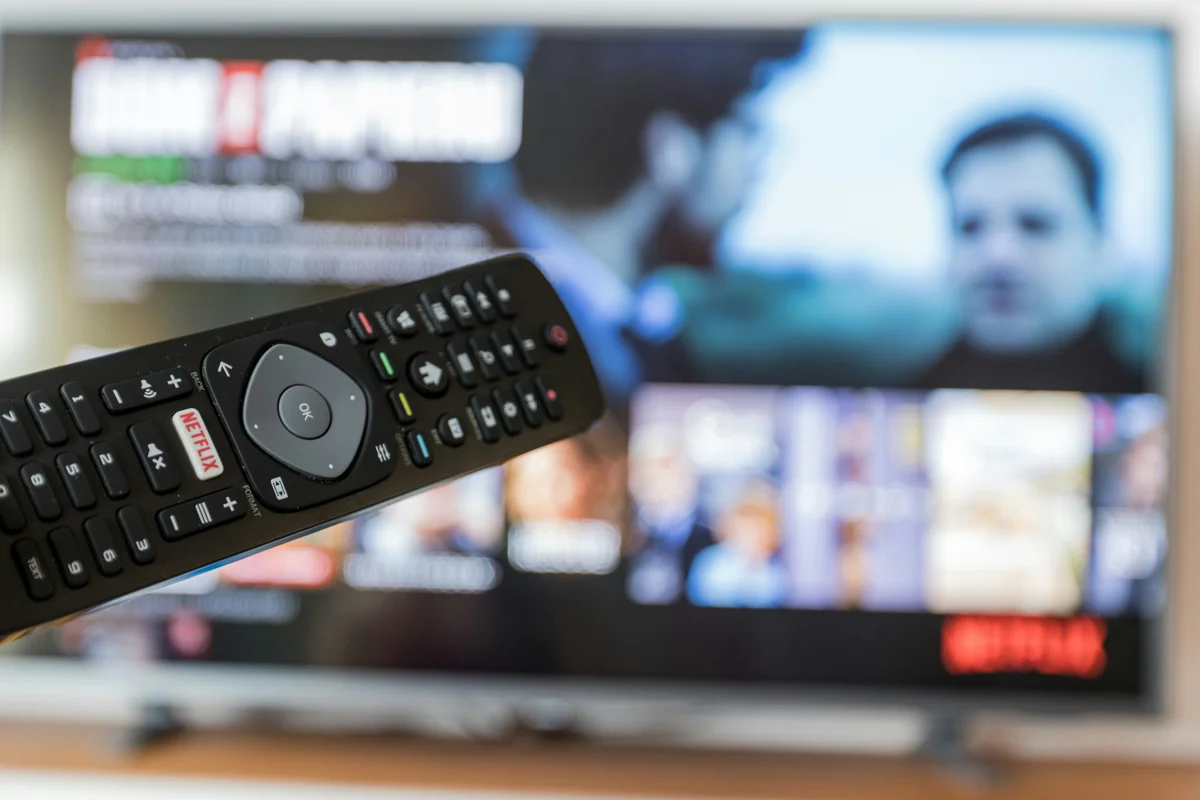
You don’t need to be a tech expert to get started. Following a clear guide will have you watching in minutes. Here’s a general overview for the most common devices.
Basic Setup Requirements
Before you begin, ensure you have the necessary components. You will need a stable broadband internet connection. Speeds of at least 25 Mbps are recommended for stable HD streaming, with higher speeds required for 4K or multiple streams.
You will need a compatible playback device. This could be a smart TV, a streaming box (like an Amazon Fire Stick or NVIDIA Shield), a computer, or a mobile device. Finally, you will need your subscription details from your provider, typically a URL or M3U playlist link and a username/password.
Step-by-Step Installation on a Streaming Device
Using a dedicated streaming device is the most popular method. Here’s a common process for an Android-based device like the Amazon Fire TV Stick.
- From the device’s home screen, search for and install your provider’s recommended these app. Common apps include “this Smarters”, “Tivimate”, or a custom provider app.
- Launch the app and enter your login credentials. This usually involves selecting “Login with Xtream Codes API” or “Load M3U URL”.
- Input the server URL, username, and password provided by your service. The app will then connect and download the channel list and EPG data.
- Organize your channels into favorites lists for easy access. Adjust video player settings if needed for optimal playback on your network.
Optimizing Your Home Network for Streaming
To prevent buffering, optimize your home network. For the best performance, connect your streaming device directly to your router via an Ethernet cable. This provides the most stable and fastest connection possible.
If using Wi-Fi, ensure your router is close to your streaming device. Use the 5 GHz Wi-Fi band if available, as it is less congested than 2.4 GHz. Consider a mesh Wi-Fi system if you have a large home to eliminate dead zones.
Regularly restart your router and modem to clear their memory caches. This simple step can resolve many intermittent connection issues. A smooth IPTV experience depends heavily on a robust home network.
Frequently Asked Questions
What is the difference between IPTV and streaming?
While both use the internet, IPTV typically refers to live television and on-demand services structured like traditional TV, often provided by telecom companies. General “streaming” (like Netflix) is purely on-demand and not tied to live channel lineups. IPTV can include both live and VOD elements within a single service framework.
Do I need a special box for IPTV?
Not always. While you can use a dedicated set-top box, many services work via apps on devices you already own. These include smart TVs, smartphones, tablets, computers, and popular streaming sticks like Amazon Fire TV or Roku. The requirement depends entirely on your chosen provider’s compatibility list.
Is IPTV legal?
The technology itself is perfectly legal. The legality of a specific service depends entirely on whether the provider holds proper broadcasting licenses for its content. Subscribing to a licensed, legitimate provider is legal. Using services that distribute copyrighted content without permission is illegal in most countries.
Why does my IPTV service keep buffering?
Buffering is usually a network issue. Common causes include slow internet speed, Wi-Fi interference, an overloaded home network, or peak-time strain on your provider’s servers. To fix it, try connecting via Ethernet, restarting your router, closing other bandwidth-heavy apps, or contacting your provider about server performance.
Can I record shows with an IPTV service?
Yes, but the functionality varies. Some providers offer a cloud-based DVR feature as part of their service. Alternatively, you can use certain third-party IPTV apps that allow recording to a local network-attached storage (NAS) device or USB drive connected to your streaming box. Always check your provider’s features or app capabilities.
Conclusion
The television landscape has evolved, and IPTV is leading the charge towards a more personalized and flexible future. This technology empowers you with unprecedented control over what, when, and how you watch. From live sports to vast on-demand libraries, it consolidates entertainment in one accessible place.
Choosing a legitimate provider and setting up your system correctly are the keys to a seamless experience. By understanding the different service models and benefits, you can make an informed decision that fits your lifestyle and budget. Embrace this modern approach to television and transform your viewing habits today.
Ready to explore your options? Start by researching reputable providers in your region and take advantage of free trial offers. Discover for yourself how a modern IPTV service can revolutionize your home entertainment.