Introduction
An it is one of the most searched terms among people who want flexible access to live TV, sports, movies, and international channels through an internet connection. Instead of relying on cable or satellite, users often explore streaming options that organize channels into playlists, usually in formats such as M3U or Xtream-compatible portals. Understanding how these playlists work can help you choose better services, avoid unreliable sources, and improve playback quality across your devices.
Table of Contents
- Introduction
- What Is an IPTV List and How Does It Work?
- Common devices used for IPTV
- How to Choose the Best IPTV List for Quality and Reliability
- 1. Channel stability
- 2. Content organization
- 3. EPG support
- 4. Video quality options
- 5. Compatibility
- 6. Update frequency
- 7. Trial availability
- Red flags to avoid
- How to Set Up an IPTV List on Different Devices
- Setup with an M3U playlist
- Setup with Xtream Codes login
- Best apps commonly used
- Setup tips for smoother streaming
- IPTV List Safety, Legal Considerations, and Best Practices
- Understanding legal use
- Privacy and security concerns
- Performance and account management
- Free vs Paid IPTV List Options: Which Is Better?
- Free playlists
- Paid playlists or services
- Which one should you choose?
- FAQ About IPTV List
- What is an IPTV list?
- How do I use an IPTV list?
- Is using an IPTV list legal?
- Why does my IPTV list keep buffering?
- What format does an IPTV list use?
- Are free IPTV lists worth using?
- Conclusion
This guide explains what an this is, how it works, what features to review before using one, and how to stay safe while streaming. You will also learn how to set up playlists on popular devices, compare free and paid options, and identify common problems before they affect your viewing experience.
What Is an IPTV List and How Does It Work?
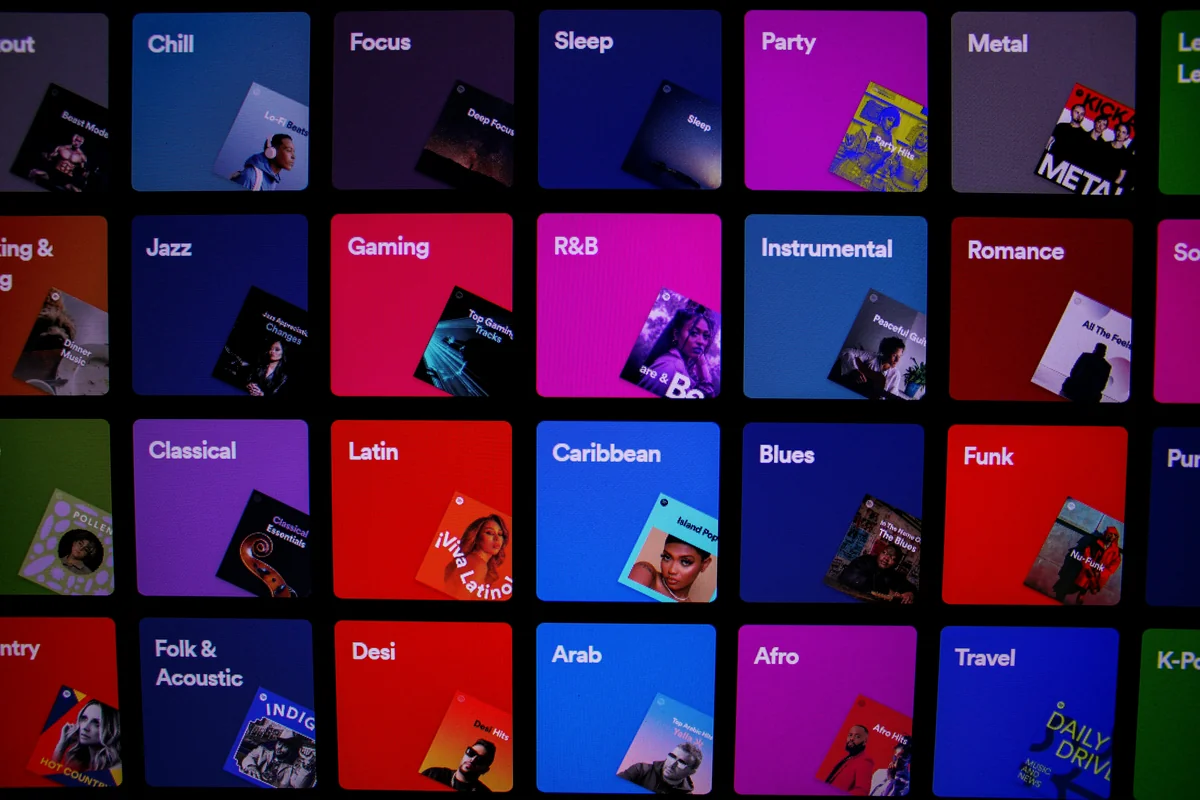
An these is a file or collection of streaming links that allows compatible apps or media players to load TV channels, video-on-demand content, or radio stations over the internet. These lists are typically used with IPTV players on smart TVs, Android boxes, Fire TV devices, smartphones, tablets, and desktop applications.
Most playlists come in one of several common formats:
– M3U URL or file: A standard playlist format containing channel names and stream links
– Xtream Codes login: Uses a server URL, username, and password instead of a plain playlist file
– EPG integration: Adds an electronic program guide so users can see schedules and current programming
– VOD sections: Includes movies and series libraries in addition to live TV channels
When a user loads an they into a compatible player, the app reads the file and displays available categories such as news, sports, entertainment, kids, regional channels, and premium content. Playback quality depends on several factors, including internet speed, server uptime, geographic distance from the provider’s infrastructure, and the quality of the player app itself.
A typical IPTV setup involves three parts:
- A provider or source that hosts stream links
- A player app that reads and displays the content
- A stable internet connection for smooth playback
It is important to understand that not every playlist source is equal. Some are well-organized, regularly updated, and include reliable EPG support. Others are outdated, full of dead links, or missing channel metadata. That is why evaluating any the concept carefully is essential before depending on it for daily viewing.
Common devices used for IPTV
The most popular devices for IPTV include:
– Smart TVs with IPTV player apps
– Amazon Fire TV Stick
– Android TV boxes
– Smartphones and tablets
– Windows and macOS computers
– MAG boxes and similar set-top devices
Each device may support different setup methods. Some work best with M3U playlists, while others are optimized for portal-based logins. Choosing the right player for your device can greatly improve loading speed, EPG accuracy, and channel switching time.
How to Choose the Best IPTV List for Quality and Reliability

Finding a good the approach requires more than checking how many channels are included. A huge playlist means little if streams buffer constantly or categories are poorly organized. Quality, consistency, and usability are much more important than inflated numbers.
Here are the main criteria to evaluate:
1. Channel stability
A reliable playlist should offer steady streams with minimal freezing. Stability usually depends on server capacity, content delivery setup, and regular maintenance.
2. Content organization
Good playlists are grouped into clear sections, such as:
– Local channels
– International channels
– Sports
– Movies
– Kids
– Documentaries
– News
– Entertainment
A properly structured it helps users find channels quickly instead of scrolling through hundreds of random entries.
3. EPG support
An electronic program guide improves the user experience significantly. It lets you browse current and upcoming shows, making IPTV feel more like traditional television.
4. Video quality options
Some playlists provide SD, HD, Full HD, and even 4K streams. The best option depends on your internet speed and device capability. If your connection is unstable, lower resolutions may actually offer a better experience.
5. Compatibility
Before selecting any this, confirm that it works with your preferred app or hardware. Some providers support only Xtream login details, while others give direct M3U links and XMLTV EPG files.
6. Update frequency
Streaming sources change often. Channels go offline, links expire, and categories need maintenance. A playlist that is updated regularly is far more useful than one that looks good only on the first day.
7. Trial availability
Many reputable services offer short trials. Testing an these before purchasing long-term access helps you check buffering, channel availability, and regional performance.
Red flags to avoid
Be cautious if you notice any of the following:
– Unrealistic claims of “all channels worldwide forever”
– No support or contact information
– Frequent dead links
– Poorly named channels
– No EPG or broken guide data
– Constant outages during major live events
– Suspicious payment methods only
The best approach is to focus on transparency, compatibility, and user experience rather than exaggerated marketing promises.
How to Set Up an IPTV List on Different Devices
Setting up an they is usually simple, but the exact steps depend on the device and app you use. Most IPTV players are designed to accept either an M3U playlist URL or Xtream login credentials.

Setup with an M3U playlist
This is the most common method:
- Install an IPTV player on your device
- Open the app and choose the option to add a playlist
- Enter the M3U URL or upload the playlist file
- Add the EPG URL if available
- Save the configuration and allow the app to load channels
After loading, the app usually displays categories and channel names automatically.
Setup with Xtream Codes login
Some apps let users add service details this way:
- Open the IPTV player
- Select Xtream Codes API or similar option
- Enter server URL, username, and password
- Confirm login
- Wait for channels, VOD, and guide data to sync
This method is often easier for beginners because it avoids handling separate playlist and guide files.
Best apps commonly used
Popular IPTV players include:
– IPTV Smarters-style apps
– TiviMate
– OTT Navigator
– VLC Media Player
– Perfect Player
– GSE Smart IPTV
– Smart IPTV-compatible platforms
No single app is best for everyone. The ideal choice depends on your device, interface preference, recording needs, and EPG support.
Setup tips for smoother streaming
To get the best results from your the concept, follow these practical tips:
– Use a strong and stable internet connection
– Prefer Ethernet over Wi-Fi when possible
– Restart your router if streams buffer often
– Keep your app updated
– Clear player cache regularly
– Avoid overloading older devices with large playlists
– Use favorites to organize channels you watch most
If a playlist loads slowly, try reducing the number of categories or using a lighter app. Some players struggle when handling very large channel libraries with extensive VOD content.
IPTV List Safety, Legal Considerations, and Best Practices
Before using any the approach, it is important to consider safety, privacy, and legal issues. IPTV as a technology is legal in many places because it is simply a method of delivering television over the internet. However, legality depends on whether the content source has the proper rights to distribute channels or on-demand media.

Understanding legal use
Legitimate IPTV services include licensed providers that have permission to broadcast their content. These may be offered by telecom companies, regional TV platforms, or commercial streaming distributors. Problems arise when playlists include copyrighted channels or premium programming without authorization.
To stay on the safer side:
– Verify the legitimacy of the service
– Read terms of use
– Check whether the provider is transparent about licensing
– Avoid obviously pirated or suspiciously cheap “everything included” offers
Privacy and security concerns
Some playlist sources may expose users to unnecessary risks, such as tracking, unstable servers, or malicious links. Using unknown apps and random playlists from unverified websites can create privacy and device security concerns.
Best practices include:
– Download apps only from trusted sources
– Avoid entering credentials into suspicious software
– Use strong passwords for IPTV accounts
– Keep your devices updated
– Review app permissions carefully
A trustworthy it source should not require strange installations, hidden downloads, or excessive personal data.
Performance and account management
Many users experience problems not because the playlist is bad, but because they ignore basic account and network management. For better reliability:
– Do not share subscription credentials unless allowed
– Respect connection limits
– Monitor bandwidth usage
– Test playback during peak hours
– Use backup players in case one app fails
If streams work poorly only during major sports events or prime-time hours, the issue may be server congestion rather than your internet connection. Testing at multiple times helps determine whether the this is consistently reliable.
Free vs Paid IPTV List Options: Which Is Better?
When comparing free and paid choices, many users start with a free these because it seems convenient and risk-free. While that approach can help with testing player apps, free playlists often come with major drawbacks.
Free playlists
Advantages:
– No upfront cost
– Easy to find online
– Useful for learning how IPTV players work
Disadvantages:
– Links expire quickly
– Frequent buffering
– Poor organization
– Missing EPG data
– Limited support
– Higher chance of dead channels
A free they may work temporarily, but it is rarely dependable for regular viewing, especially if you want stable live sports, local channels, or premium entertainment.
Paid playlists or services
Advantages:
– Better server stability
– More frequent updates
– Organized categories
– EPG support
– Customer assistance
– More consistent quality
Disadvantages:
– Monthly or yearly cost
– Quality varies by provider
– Some sellers overpromise and underdeliver
If you plan to use IPTV regularly, a paid option is often the more practical choice. The real value lies in consistent uptime, responsive support, and cleaner organization rather than the raw number of channels advertised.
Which one should you choose?
The answer depends on your goals:
– Choose free options for testing apps and basic exploration
– Choose paid options for long-term viewing and reliability
– Always test before making a long commitment
– Prioritize quality over quantity
In most cases, users who want a smoother experience eventually move from a random free playlist to a more stable the concept from a reputable provider.
FAQ About IPTV List
What is an IPTV list?
An the approach is a playlist or set of login details that gives an IPTV player access to live TV channels, video-on-demand content, or radio streams over the internet. It usually comes as an M3U file, M3U URL, or Xtream-based login.

How do I use an IPTV list?
To use an it, install a compatible IPTV player on your device, then add the playlist URL or login credentials provided by your service. Once loaded, the app will display available channels and categories.
Is using an IPTV list legal?
An this itself is just a delivery method, but legality depends on the content source and whether it has the rights to distribute the channels or media being offered. Always check local laws and the provider’s licensing transparency.
Why does my IPTV list keep buffering?
Buffering can happen if your internet speed is too low, your Wi-Fi signal is weak, the player app is poorly optimized, or the iptv list source has overloaded servers. Testing another app or a wired connection can help identify the problem.
What format does an IPTV list use?
A typical iptv list may be delivered as an M3U file, a hosted M3U URL, or Xtream login credentials. Some services also include XMLTV EPG links for program guide support.
Are free IPTV lists worth using?
A free iptv list can be useful for short-term testing, but it often lacks stability, support, and updated links. Users who want dependable streaming usually prefer a better-maintained option.
Conclusion
Choosing the right iptv list is about much more than getting access to a large number of channels. The best results come from selecting a source that offers stable playback, organized categories, guide support, strong device compatibility, and regular updates. Whether you are just learning how IPTV works or comparing providers for long-term use, taking time to test quality and verify legitimacy can save you frustration later.
A well-maintained iptv list can create a flexible and convenient viewing experience across many devices, but safety and reliability should always come first. Focus on transparent providers, trusted apps, and realistic performance expectations. With the right setup, IPTV can be a practical way to enjoy live television and on-demand entertainment with greater control over how and where you watch.