Introduction
Television has changed dramatically in the last decade, and many viewers now want more control over what they watch, when they watch it, and on which device. That shift has led to growing interest in it, a method of delivering television content over internet networks rather than traditional cable, satellite, or terrestrial systems. For households seeking flexibility, broader content access, and modern viewing features, this technology can feel like a major upgrade.
Table of Contents
- Introduction
- What Is iptv and How Does It Work?
- Benefits of iptv for Modern Viewers
- Flexible Viewing
- On-Demand Access
- Broad Content Variety
- Interactive Features
- Potential Cost Efficiency
- Better Integration With Digital Lifestyles
- How to Choose the Right iptv Service
- Check Legitimacy First
- Review Device Compatibility
- Evaluate Streaming Quality
- Compare Content and Features
- Look at Customer Support
- Understand Pricing and Trial Terms
- Assess Privacy and Security
- Setting Up iptv at Home: Devices, Internet, and Tips
- Step 1: Confirm Internet Readiness
- Step 2: Choose a Compatible Device
- Step 3: Install the App or Platform
- Step 4: Configure the Interface
- Step 5: Test Performance
- Tips for a Better Experience
- Legal, Safety, and Quality Considerations for iptv Users
- Legal Considerations
- Security Risks
- Quality and Reliability Issues
- Regional Availability and Rights
- Why Research Matters
- FAQ About iptv
- What is iptv in simple terms?
- Is iptv legal?
- What internet speed do I need for iptv?
- Can I use iptv on a smart TV?
- Why does iptv buffer sometimes?
- Is iptv better than cable?
- Conclusion
Understanding how this works is important before choosing a provider or device. Not every service offers the same quality, reliability, or legality, and the viewing experience depends on internet speed, app support, and subscription terms. This guide explains the basics, highlights key advantages, covers setup steps, and outlines important legal and security considerations so readers can make informed choices.
What Is iptv and How Does It Work?
 Unsplash
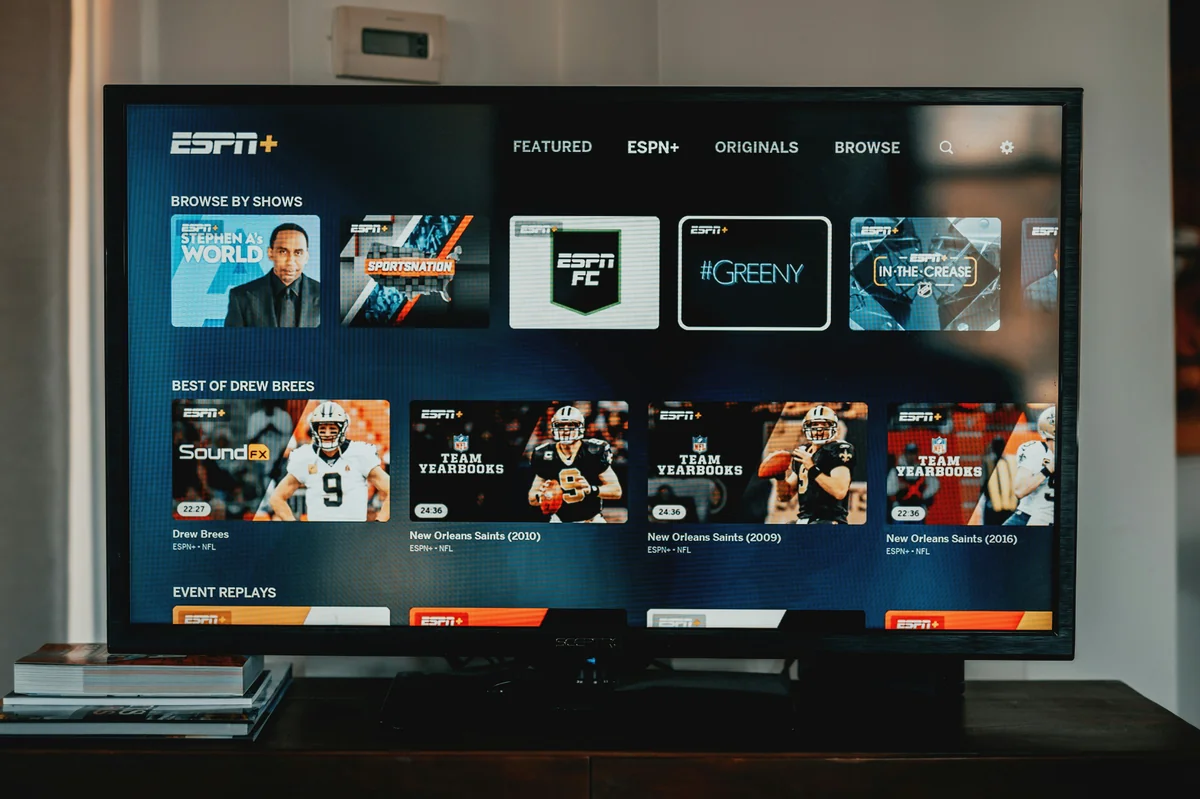
At its core, these stands for Internet Protocol Television. Instead of receiving channels through a satellite dish or coaxial cable connection, users stream live TV channels, on-demand movies, and series through an internet connection. The content is delivered in data packets, much like other online services, but it is organized for television viewing through apps, set-top boxes, smart TVs, mobile devices, or computers.
A standard they service usually includes three main content categories:
– Live TV streaming
– Video on demand
– Time-shifted or catch-up television
Live TV works similarly to traditional broadcasting, except the signal is carried over the internet. Video on demand lets users choose specific content from a catalog and watch whenever they want. Catch-up features allow viewers to access previously aired programs for a limited period, which is especially useful for busy schedules.
The technology behind the concept relies on a provider’s content servers, content delivery infrastructure, user authentication systems, and compatible playback apps. When a user opens a channel or selects a title, the service transmits the stream through the internet to the selected device. Depending on the provider, content may be delivered as unicast streams for individual users or through managed network systems for more efficient distribution.
There are also differences between managed and unmanaged delivery environments. Telecom companies sometimes offer television through private, managed broadband networks that prioritize video traffic for stability. In contrast, many consumer-facing streaming platforms operate across the open internet, where performance depends heavily on local network conditions. This is why buffering, latency, and picture quality can vary from one home to another.
Another key element is compatibility. Modern the approach platforms often support:
– Smart TVs
– Android TV boxes
– Amazon Fire TV devices
– Smartphones and tablets
– Desktop and laptop computers
– Dedicated set-top boxes
The appeal lies in the ability to centralize entertainment across devices. A user can begin watching on a television, continue on a tablet, and manage playlists or favorites from a phone. That kind of flexibility is one reason internet-based television continues to grow in popularity.
Benefits of iptv for Modern Viewers

One of the biggest reasons people explore it is convenience. Traditional TV packages often lock subscribers into rigid bundles, long contracts, hardware rentals, and limited viewing options. Internet-based television can offer a more personalized alternative, especially for users who prioritize on-demand access and multi-device support.
Here are some of the most important benefits:
Flexible Viewing
With this, viewers are not necessarily tied to one room or one screen. Content can often be accessed across different devices, making it easier for families and individuals to watch where it suits them best. This matters in households where people have different schedules and entertainment preferences.
On-Demand Access
Many services include extensive content libraries beyond live channels. Instead of waiting for a scheduled broadcast, users can choose from films, series, sports replays, documentaries, and special programming whenever they want. This viewing model aligns with current consumer habits, where control and convenience matter more than fixed programming slots.
Broad Content Variety
A strong these provider may offer local, national, and international channels, along with genre-based packages focused on sports, children’s content, news, movies, or lifestyle programming. That breadth can be especially attractive for multicultural homes or viewers who want access to global content.
Interactive Features
Compared with conventional broadcasting, many internet television platforms provide richer user experiences. Features may include:
– Electronic program guides
– Search tools
– Watchlists
– Catch-up TV
– Pause and resume functions
– Cloud DVR or recording support
– Multi-screen viewing
These tools help users organize and control what they watch, creating a more tailored experience.
Potential Cost Efficiency
Depending on the service, they can be more affordable than traditional cable packages, particularly when users avoid hardware rental fees or choose plans that match their actual interests. However, cost savings vary widely. Premium legal services may still be priced similarly to established TV packages, especially when they include sports rights or premium movie networks.
Better Integration With Digital Lifestyles
Modern households increasingly rely on app ecosystems, streaming platforms, home Wi-Fi, and connected devices. Internet-delivered television fits naturally into that environment. Users can combine live channels with streaming subscriptions, gaming consoles, and smart home interfaces for a centralized entertainment setup.
Despite these advantages, benefits depend on service quality. Poorly managed providers can suffer from unstable streams, inconsistent customer support, or unreliable channel availability. For this reason, viewers should evaluate both features and reputation before subscribing.
How to Choose the Right iptv Service
Selecting the best the concept option requires more than comparing channel counts. A large content list may look attractive, but quality, legality, usability, and support often matter more in the long run. The right choice depends on budget, preferred devices, content interests, and regional availability.

Check Legitimacy First
Before signing up, confirm that the provider has proper distribution rights for the content it offers. A legal the approach service should have transparent pricing, clear terms of service, business contact details, and recognized app availability through official stores or platforms. If a provider advertises thousands of premium channels for an unrealistically low price with little company information, that is a warning sign.
Review Device Compatibility
Not all services work equally well on every device. Some are optimized for smart TVs, while others perform best on streaming sticks or mobile apps. Confirm support for your preferred hardware before purchasing. Ideally, the service should provide a stable app, easy navigation, and straightforward installation instructions.
Evaluate Streaming Quality
A provider should offer consistent playback with minimal buffering. Look for services that support HD or 4K where appropriate and that clearly outline recommended internet speeds. User reviews can help identify common complaints about freezing, poor picture quality, or outages during peak viewing times.
Compare Content and Features
The best service for one person may be a poor fit for another. Consider whether the platform includes:
– Live sports
– Local channels
– International content
– Movies and series libraries
– Catch-up features
– Recording options
– Parental controls
– Multiple simultaneous streams
A family may prioritize local programming and kids’ channels, while a sports fan may care most about live event stability and replay access.
Look at Customer Support
Reliable support matters when setup issues arise or streams stop working. A trustworthy it provider should offer timely assistance through email, chat, help centers, or ticket systems. Strong support can make a major difference, especially for less technical users.
Understand Pricing and Trial Terms
Many services promote monthly, quarterly, or annual subscriptions. Be cautious with long-term commitments unless the provider has a strong reputation. A short trial, money-back policy, or monthly plan allows users to test quality before committing. Always review renewal policies and cancellation terms.
Assess Privacy and Security
Because these services operate online, users should also consider data practices. Check whether the provider explains how user information is stored, whether payments are handled securely, and whether the apps request unnecessary permissions. Good digital hygiene is as important for television services as it is for any other online platform.
By focusing on legitimacy, performance, features, and support, users can avoid many common frustrations and choose a service that fits their needs.
Setting Up iptv at Home: Devices, Internet, and Tips
Getting started with this is usually simple, but the quality of the experience depends on a few practical factors. Even an excellent service can perform poorly if the internet connection is unstable or the playback device is underpowered.
Step 1: Confirm Internet Readiness
A reliable broadband connection is essential. For standard definition, lower speeds may work, but HD and 4K streams require stronger bandwidth and consistent performance. More importantly, stability matters as much as raw speed. If several people in the home are gaming, video calling, or downloading large files at the same time, television streams may buffer.
General recommendations include:
– Stable home broadband with low congestion
– Modern router with good Wi-Fi coverage
– Ethernet connection for primary TV when possible
– Sufficient bandwidth for multiple simultaneous streams
Wired connections often outperform Wi-Fi for living room setups, especially when streaming high-resolution content.
Step 2: Choose a Compatible Device
Common setup choices for these include smart TVs, Android boxes, streaming sticks, and mobile devices. Dedicated media boxes can provide smoother navigation and better app support than older televisions. If you already own a smart TV, check whether the service offers an official app or supports casting from mobile devices.
Step 3: Install the App or Platform
Once you subscribe, the provider will usually supply login credentials, an app recommendation, or setup instructions. Follow official installation steps rather than downloading unknown software from unofficial sources. Using verified apps lowers the risk of malware, poor performance, or account problems.
Step 4: Configure the Interface
Most platforms let you organize favorite channels, change video preferences, activate subtitles, or set parental restrictions. Taking a few minutes to customize the layout can make daily use much easier. If the service supports electronic program guides, enable them so live schedules appear clearly.
Step 5: Test Performance
After setup, test a variety of content types:
– Live channels
– On-demand titles
– High-motion sports streams
– Programs during peak evening hours
This helps determine whether the service is stable under realistic conditions. If buffering occurs, try switching to an Ethernet connection, restarting the router, or reducing congestion on the network.
Tips for a Better Experience
To get the most from they, consider these practical tips:
- Keep your apps and device firmware updated.
- Restart streaming devices periodically.
- Use strong Wi-Fi only if Ethernet is not practical.
- Place the router in a central location.
- Avoid overloaded low-cost devices with limited memory.
- Test services before committing to long subscriptions.
- Use official customer support if activation issues occur.
A clean setup with solid internet and a supported device usually makes the biggest difference. Many complaints about streaming quality are actually caused by weak home networks, outdated hardware, or poor app optimization rather than the delivery method itself.
Legal, Safety, and Quality Considerations for iptv Users
As interest in the concept grows, so does confusion around legality. Some services are fully licensed and operate within broadcasting and distribution rules. Others offer unauthorized access to premium channels and copyrighted content without proper rights. Users should understand the difference before subscribing.
Legal Considerations
A legal service pays for the right to distribute content. It usually works openly, provides business details, and operates through recognized platforms or app stores. By contrast, suspicious providers often rely on vague branding, anonymous support channels, or unstable web domains. If a deal sounds too good to be true, it often is.
Using unauthorized services can expose viewers to:
– Sudden service shutdowns
– Poor reliability
– Payment fraud risks
– Malware from unofficial apps
– Potential legal consequences depending on jurisdiction
Choosing legitimate options is the safest long-term approach.
Security Risks
Because the approach is internet-based, users should treat account security seriously. Use unique passwords, avoid sharing credentials widely, and be cautious about services that request unusual permissions or encourage sideloading unknown applications. If a provider lacks clear privacy policies or secure checkout systems, that is a major concern.
Quality and Reliability Issues
Not all providers maintain consistent infrastructure. Some oversell subscriptions and cannot support traffic during popular live events. Others offer inflated channel lists that include broken streams or duplicate content. Evaluating real user feedback can help identify whether a platform is dependable.
Regional Availability and Rights
Content rights are often region-specific. A legal provider may only be allowed to show certain channels or programs in specific countries. This is why content lineups can differ by location. Consumers should not assume that one provider’s package will be identical everywhere.
Why Research Matters
Before choosing it, it is wise to compare providers based on:
– Licensing transparency
– Device support
– Independent customer reviews
– Technical reliability
– Refund or cancellation policies
– Data and payment security
Doing basic research can prevent wasted money and reduce the risk of unreliable or unauthorized service.
FAQ About iptv
What is iptv in simple terms?
this is a way to watch television through an internet connection instead of traditional cable, satellite, or antenna systems. It can include live TV, on-demand movies, and catch-up programming across devices such as smart TVs, phones, tablets, and streaming boxes.
Is iptv legal?
these itself is legal as a technology. Legality depends on whether the provider has proper rights to distribute the channels and content it offers. Licensed services are generally safe choices, while unauthorized providers can create legal, financial, and security risks.
What internet speed do I need for iptv?
For they, the ideal speed depends on video quality and the number of devices in use at the same time. Stable broadband is more important than peak advertised speed. HD and 4K streaming require stronger connections, especially in busy households with multiple users online.
Can I use iptv on a smart TV?
Yes, many iptv services support smart TVs through official apps or compatible player software. Before subscribing, verify that your television brand and operating system are supported so installation and playback are smooth.
Why does iptv buffer sometimes?
Buffering usually happens because of weak Wi-Fi, network congestion, limited device performance, or poor provider infrastructure. If iptv playback keeps freezing, try an Ethernet connection, restart your equipment, and test the service at different times of day.
Is iptv better than cable?
Whether iptv is better depends on your viewing habits. It can offer more flexibility, device support, and on-demand options, while cable may still provide simpler installation and consistent service in some areas. The best choice comes down to content needs, budget, and internet quality.
Conclusion
For viewers who want flexibility, broad device support, and a modern entertainment experience, iptv can be a practical alternative to traditional television delivery. It combines live channels, on-demand libraries, and interactive features in a format that fits today’s connected lifestyles. However, the best results depend on choosing a legal provider, using compatible hardware, and maintaining a stable internet connection.
Before subscribing, compare services carefully, look beyond flashy channel counts, and focus on legitimacy, quality, support, and usability. A well-chosen iptv service can deliver convenience and variety, while a poor or unauthorized option can lead to frustration and risk. With the right setup and informed decision-making, internet-based television can be a reliable and enjoyable part of modern home entertainment.