作者归档:iptvtt001

Iptv kostenloser test: 15 Best : Vorteile, Risiken & Tipps - iptv kostenloser test

iptv kostenloser test: 15 Best : Vorteile, Risiken & Tipps

Introduction

Wer heute Fernsehen flexibler, günstiger und geräteübergreifend nutzen möchte, stößt schnell auf das Thema this. Viele Anbieter werben mit Probephasen, Testzugängen oder zeitlich begrenzten Demos, damit Interessierte Funktionen, Senderauswahl und Streaming-Qualität vor einem Abo prüfen können. Genau deshalb ist ein it für viele Nutzer ein sinnvoller erster Schritt: Er hilft dabei, Bedienbarkeit, Bildqualität, Stabilität und Gerätekompatibilität realistisch zu bewerten.

Gleichzeitig ist es wichtig, Testangebote nicht nur nach Preis oder Umfang zu beurteilen. Auch rechtliche Transparenz, Datenschutz, Support und Kündigungsbedingungen spielen eine große Rolle. In diesem Ratgeber erfahren Sie, worauf Sie achten sollten, wie Sie seriöse Angebote erkennen und wie Sie aus einem these den größten Nutzen ziehen.

Was bedeutet IPTV und warum ist ein Test sinnvoll?

A collection of vintage televisions featuring static and color test patterns on the screens. - iptv kostenloser test
Photo by Marshal Yung on Pexels

IPTV steht für „Internet Protocol Television“ und beschreibt die Übertragung von Fernsehprogrammen über das Internet statt über Kabel, Satellit oder Antenne. Für Nutzer bedeutet das vor allem mehr Flexibilität. Inhalte lassen sich häufig auf Smart-TVs, Smartphones, Tablets, TV-Sticks, Computern und teilweise sogar auf Spielkonsolen abrufen. Viele Dienste kombinieren Live-TV, Mediatheken, zeitversetztes Fernsehen und zusätzliche Funktionen wie Aufnahmen oder Favoritenlisten.

Ein they ist vor allem deshalb wertvoll, weil sich Streaming-Angebote in der Praxis oft deutlich unterscheiden. Auf Werbeseiten sehen fast alle Plattformen modern, schnell und umfangreich aus. Erst bei der tatsächlichen Nutzung zeigt sich, ob Menüs intuitiv aufgebaut sind, Streams stabil laufen und die gewünschten Inhalte wirklich verfügbar sind. Besonders bei internationalen Sendern, Sport, Nachrichten und regionalen Programmen gibt es oft große Unterschiede.

Ein weiterer wichtiger Punkt ist die technische Umgebung des Nutzers. Nicht jeder Internetanschluss ist gleich schnell und nicht jedes Gerät unterstützt jede App gleich gut. Während ein Dienst auf einem aktuellen Smart-TV einwandfrei laufen kann, gibt es auf älteren Geräten möglicherweise Einschränkungen bei Auflösung, Bedienung oder Ladezeiten. Mit einem the concept lassen sich solche Fragen vor dem Abschluss eines kostenpflichtigen Tarifs klären.

Hinzu kommt, dass viele Verbraucher heute auf Vertragsflexibilität achten. Niemand möchte für mehrere Monate zahlen, nur um dann festzustellen, dass das Angebot nicht zu den eigenen Sehgewohnheiten passt. Ein Testzeitraum schafft Transparenz. Nutzer können prüfen, ob sie tatsächlich regelmäßig Live-TV streamen oder ob ein klassischer Streamingdienst mit Filmen und Serien für sie ausreicht.

Darüber hinaus bietet ein Testzugang die Möglichkeit, Support und Servicequalität zu bewerten. Reagiert der Kundendienst schnell? Gibt es klare Hilfeseiten? Werden Einrichtungsprobleme verständlich erklärt? Solche Faktoren entscheiden langfristig oft stärker über die Zufriedenheit als eine große Senderliste allein.

Wer also nicht nur von Marketingversprechen ausgehen möchte, sondern echte Erfahrungen sammeln will, ist mit einem Testzugang deutlich besser beraten. Gerade Einsteiger profitieren davon, Funktionen ohne finanzielles Risiko kennenzulernen und fundiert zu entscheiden, ob IPTV wirklich den eigenen Anforderungen entspricht.

Worauf Sie bei einem IPTV-Test besonders achten sollten

A cyberpunk inspired setting featuring two people with retro TVs displaying colorful test screens. - iptv kostenloser test
Photo by Yaroslav Shuraev on Pexels

Nicht jeder Testzugang ist automatisch hilfreich. Manche Probeangebote sind stark eingeschränkt, andere wirken auf den ersten Blick attraktiv, verbergen aber unklare Bedingungen. Deshalb lohnt es sich, einen the approach nach mehreren klaren Kriterien zu bewerten.

1. Senderauswahl und Inhalte

Der erste Blick gilt meist dem Programmpaket. Wichtig ist nicht nur die Anzahl der Sender, sondern deren Relevanz. Prüfen Sie, ob Ihre bevorzugten Kategorien enthalten sind: Nachrichten, Unterhaltung, Kinderprogramme, Sport, Dokumentationen oder internationale Sender. Ein großes Angebot ist nur dann wertvoll, wenn es wirklich zu Ihren Interessen passt.

2. Bild- und Tonqualität

Viele Nutzer achten beim it vor allem auf HD- oder Full-HD-Qualität. Entscheidend ist jedoch nicht nur die theoretische Auflösung, sondern wie stabil diese im Alltag geliefert wird. Testen Sie zu verschiedenen Tageszeiten, insbesondere abends, wenn viele Menschen online sind. Achten Sie auf Pufferungen, Tonversatz, Pixelbildung oder Verzögerungen beim Kanalwechsel.

3. Gerätekompatibilität

Ein seriöser Anbieter sollte klar angeben, auf welchen Geräten sein Dienst funktioniert. Dazu können Smart-TVs, Android-TV-Boxen, Fire TV, Apple TV, Smartphones, Tablets oder Browserlösungen gehören. Ein guter Testzeitraum sollte Ihnen genug Zeit geben, den Dienst auf mehreren Endgeräten auszuprobieren. So erkennen Sie, ob die App überall ähnlich stabil und benutzerfreundlich läuft.

4. Benutzeroberfläche und Komfortfunktionen

Auch die Bedienung ist entscheidend. Ein guter IPTV-Dienst sollte eine übersichtliche Senderliste, Suchfunktion, Favoriten, Programminformationen und im besten Fall zusätzliche Features wie Catch-up-TV oder Aufnahmemöglichkeiten bieten. Ein this ist ideal, um herauszufinden, ob die Navigation angenehm ist oder im Alltag eher frustriert.

5. Rechtliche Transparenz

Gerade bei IPTV ist Vorsicht geboten. Es gibt legale Anbieter mit klaren Geschäftsbedingungen, transparentem Impressum und nachvollziehbaren Lizenzmodellen. Daneben existieren jedoch auch zweifelhafte Angebote, die mit extrem vielen Premium-Inhalten zu unrealistisch niedrigen Preisen werben. Ein Testzugang sollte niemals der einzige Grund sein, einem Dienst zu vertrauen. Prüfen Sie Anbieterinformationen, Datenschutzrichtlinien, Zahlungsbedingungen und Kündigungsoptionen genau.

6. Support und Kundenservice

Sollten bei der Einrichtung Probleme auftreten, zeigt sich schnell die Qualität des Supports. Gibt es deutsch- oder englischsprachige Hilfe? Werden häufige Fragen auf einer Support-Seite beantwortet? Ist eine Kontaktaufnahme per E-Mail, Chat oder Formular möglich? Ein schwacher Support ist oft ein Warnsignal, besonders wenn gleichzeitig unklare Vertragsbedingungen bestehen.

7. Automatische Verlängerung

Ein sehr wichtiger Punkt: Manche Testangebote gehen automatisch in ein kostenpflichtiges Abo über. Lesen Sie daher das Kleingedruckte sorgfältig. Ein these sollte idealerweise klar kommunizieren, wann der Test endet, ob Zahlungsdaten erforderlich sind und wie eine Kündigung funktioniert. Nur so vermeiden Sie unerwartete Kosten.

So erkennen Sie seriöse und unseriöse IPTV-Angebote

Der Markt ist groß, unübersichtlich und für Einsteiger oft schwer zu beurteilen. Deshalb ist es besonders wichtig, zwischen vertrauenswürdigen und riskanten Angeboten zu unterscheiden. Ein they kann hilfreich sein, ersetzt aber keine sorgfältige Prüfung des Anbieters.
Engineers working in an electronics lab with oscilloscopes and other equipment on a bright day. - iptv kostenloser test
Photo by khezez | خزاز on Pexels

Seriöse Plattformen zeichnen sich zunächst durch Transparenz aus. Dazu gehören ein vollständiges Impressum, nachvollziehbare Kontaktinformationen, klare Preisangaben und verständliche Nutzungsbedingungen. Wenn ein Anbieter offen kommuniziert, welche Inhalte enthalten sind, welche Geräte unterstützt werden und wie Kündigungen ablaufen, spricht das für Professionalität. Ebenso positiv sind offizielle Apps in bekannten App-Stores oder Partnerschaften mit etablierten Technologieplattformen.

Ein weiteres Merkmal vertrauenswürdiger Dienste ist eine realistische Leistungsbeschreibung. Legale Anbieter werben in der Regel nicht mit „allen internationalen Premium-Sendern“, „jedem Live-Sport weltweit“ oder „tausenden Pay-TV-Kanälen für wenige Euro“. Solche Versprechen sind häufig ein Hinweis auf problematische Rechte- oder Lizenzlagen. Wenn ein Angebot zu gut klingt, um wahr zu sein, ist es das oft auch.

Auch die Zahlungsabwicklung gibt wichtige Hinweise. Seriöse Unternehmen bieten in der Regel nachvollziehbare, sichere und übliche Zahlungsmethoden an. Werden ausschließlich schwer rückverfolgbare Zahlungen bevorzugt oder fehlen Rechnungsinformationen, sollten Nutzer vorsichtig sein. Gerade vor der Nutzung eines the concept lohnt es sich, genau zu schauen, ob bereits im Teststadium sensible Zahlungsdaten verlangt werden.

Bewertungen können ebenfalls helfen, müssen aber kritisch gelesen werden. Authentische Rezensionen nennen oft konkrete Vor- und Nachteile, etwa zur App-Stabilität, Bildqualität oder zum Kundenservice. Reine Werbeaussagen ohne Details oder auffällig viele identische Fünf-Sterne-Kommentare sind weniger aussagekräftig. Suchen Sie nach unabhängigen Erfahrungsberichten, nicht nur nach Testimonials auf der Anbieterwebsite.

Technisch lässt sich Seriosität auch an Stabilität und professioneller Umsetzung erkennen. Funktionieren Website, Login, Support-Bereich und Apps zuverlässig? Gibt es Updates, Hilfeseiten oder Einrichtungsanleitungen? Ein vertrauenswürdiger Anbieter investiert meist sichtbar in Nutzererfahrung und Infrastruktur.

Problematisch sind dagegen Seiten ohne Impressum, unklare Domain-Historie, aggressive Rabattaktionen mit Zeitdruck, unrealistische Senderlisten und fehlende Informationen zu Rechten oder Unternehmenssitz. Wenn zusätzlich mit anonymen Kontaktwegen gearbeitet wird, sollten Verbraucher besonders zurückhaltend sein.

Letztlich dient ein Testzugang dazu, Qualität zu prüfen, nicht Risiken zu ignorieren. Wer aufmerksam auf Transparenz, technische Professionalität und nachvollziehbare Geschäftsbedingungen achtet, kann unseriöse Angebote meist früh erkennen und vermeiden.

Wie Sie das Beste aus einem IPTV-Testzeitraum herausholen

Ein Testzugang bringt nur dann echten Mehrwert, wenn Sie ihn strukturiert nutzen. Viele Verbraucher starten einen the approach, klicken sich kurz durch einige Sender und treffen dann vorschnell eine Entscheidung. Besser ist es, mit einem kleinen Prüfplan vorzugehen.
Smart TV displaying streaming content in modern living room setting with exposed brick wall. - iptv kostenloser test
Photo by www.kaboompics.com on Pexels

Beginnen Sie mit Ihren wichtigsten Anwendungsfällen. Fragen Sie sich: Möchten Sie vor allem Live-TV schauen, Sport verfolgen, ausländische Sender nutzen oder Inhalte mobil streamen? Sobald Ihre Prioritäten klar sind, können Sie den Dienst gezielt testen. Prüfen Sie zuerst genau diese Funktionen und nicht nur die Menge der verfügbaren Kanäle.

Testen Sie den Dienst außerdem zu verschiedenen Zeiten. Ein IPTV-Angebot, das morgens perfekt funktioniert, kann abends unter Last schwächer werden. Besonders zwischen 19 und 22 Uhr zeigt sich oft, wie leistungsfähig die Infrastruktur wirklich ist. Achten Sie auf Ladezeiten, Stream-Abbrüche, Tonprobleme und die Stabilität bei längerem Fernsehen.

Ebenso wichtig ist das Testen auf mehreren Geräten. Wenn Sie den Dienst im Wohnzimmer, unterwegs und vielleicht zusätzlich auf einem Zweitfernseher nutzen möchten, sollte das innerhalb des Probezeitraums überprüft werden. Ein it ist die beste Gelegenheit, Kompatibilität mit Smart-TV, Smartphone, Tablet und Streaming-Stick realistisch zu beurteilen.

Nehmen Sie sich auch Zeit für die Benutzeroberfläche. Finden Sie Sender schnell? Funktioniert die Suche? Lassen sich Favoriten speichern? Sind Programminformationen aktuell? Gerade im Alltag sind es oft diese kleinen Komfortaspekte, die über Zufriedenheit oder Frust entscheiden.

Ein weiterer Tipp ist das Prüfen des Datenverbrauchs und der Internetleistung. Wer nur eine begrenzte Bandbreite oder mobile Daten nutzt, sollte beobachten, wie effizient der Dienst streamt. In Haushalten mit mehreren parallel aktiven Geräten kann dies besonders relevant sein.

Wenn eine Registrierung erforderlich ist, achten Sie darauf, welche Daten Sie angeben. Verwenden Sie nach Möglichkeit nur die Informationen, die wirklich notwendig sind. Lesen Sie zudem vor dem Ende des Testzeitraums nach, ob eine aktive Kündigung erforderlich ist. Setzen Sie sich im Zweifel eine Erinnerung, damit der iptv kostenloser test nicht unbeabsichtigt in ein kostenpflichtiges Abonnement übergeht.

Am Ende des Probezeitraums sollten Sie eine kurze Bilanz ziehen:
– Waren Ihre wichtigsten Sender verfügbar?
– Lief die Qualität zuverlässig?
– War die App angenehm zu bedienen?
– Stimmen Preis und Leistung überein?
– Wirkt der Anbieter vertrauenswürdig?

Mit dieser strukturierten Vorgehensweise treffen Sie eine informierte Entscheidung statt einer spontanen.

Häufige Fehler beim IPTV-Test und wie Sie sie vermeiden

Obwohl ein iptv kostenloser test viele Vorteile bietet, machen Nutzer dabei oft typische Fehler. Diese führen dazu, dass die Bewertung des Angebots ungenau ausfällt oder unnötige Kosten entstehen. Wer diese Stolperfallen kennt, kann deutlich sicherer entscheiden.

Ein häufiger Fehler ist, sich nur von der Anzahl der Sender beeindrucken zu lassen. Tausende Kanäle klingen attraktiv, sagen aber wenig über Relevanz und Qualität aus. Viel wichtiger ist, ob die Sender, die Sie tatsächlich sehen möchten, zuverlässig verfügbar sind und stabil laufen. Ein kleines, gut gepflegtes Paket ist oft wertvoller als eine unübersichtliche Riesenliste.

Close-up of a hand applying liquid on a rapid test kit, against a white surface. - iptv kostenloser test
Photo by tom analogicus on Pexels

Ein zweiter Fehler ist das zu kurze Testen. Manche Nutzer prüfen einen Dienst nur wenige Minuten und schließen dann direkt ein Abo ab. Das reicht selten aus, um Leistung unter realen Bedingungen zu bewerten. Testen Sie lieber über mehrere Tage hinweg und zu unterschiedlichen Zeiten.

Auch das Ignorieren der Vertragsbedingungen ist riskant. Wenn ein iptv kostenloser test mit automatischer Verlängerung verbunden ist, können schnell unerwartete Kosten entstehen. Lesen Sie deshalb immer nach, wann Gebühren fällig werden, welche Kündigungsfrist gilt und ob Zahlungsdaten hinterlegt werden müssen.

Ein weiterer Irrtum besteht darin, technische Probleme sofort dem Anbieter zuzuschreiben. Manchmal liegt die Ursache im eigenen WLAN, an veralteter Hardware oder an Hintergrundanwendungen, die Bandbreite verbrauchen. Prüfen Sie deshalb möglichst auch Ihre eigene Verbindung, bevor Sie zu einem endgültigen Urteil kommen.

Viele Nutzer unterschätzen zudem die Bedeutung von Sicherheit und Datenschutz. Wer sich bei einem unbekannten Dienst anmeldet, sollte vorsichtig mit persönlichen Daten umgehen. Nutzen Sie sichere Passwörter, vermeiden Sie unnötige Dateneingaben und prüfen Sie, ob Datenschutzinformationen vorhanden sind.

Schließlich konzentrieren sich manche Verbraucher ausschließlich auf den Preis. Ein günstiger Dienst ist nicht automatisch ein guter Dienst. Wenn Bildqualität, Support, Stabilität oder Rechtssicherheit fehlen, wird selbst ein niedriger Preis schnell unattraktiv. Ziel eines Tests sollte daher nicht nur sein, das billigste Angebot zu finden, sondern das passendste.

Wer diese Fehler vermeidet, nutzt den Testzeitraum sinnvoller und erkennt schneller, ob ein Dienst wirklich den eigenen Anforderungen entspricht.

FAQ

Was ist ein iptv kostenloser test genau?

Ein iptv kostenloser test ist ein zeitlich begrenzter Probezugang zu einem IPTV-Dienst. Nutzer können damit Funktionen, Senderauswahl, Bildqualität, App-Bedienung und Gerätekompatibilität prüfen, bevor sie ein kostenpflichtiges Abo abschließen.
A relaxed scene at home with a person enjoying popcorn while watching a VPN-protected TV. - iptv kostenloser test
Photo by Stefan Coders on Pexels

Ist ein iptv kostenloser test immer wirklich kostenlos?

Nicht unbedingt. Manche Angebote sind kostenlos, andere verlangen vorab Zahlungsdaten und wandeln sich nach Ablauf automatisch in ein Abo um. Prüfen Sie bei jedem iptv kostenloser test die Bedingungen, Kündigungsfristen und eventuelle automatische Verlängerungen genau.

Wie lange dauert ein iptv kostenloser test normalerweise?

Die Dauer variiert je nach Anbieter. Manche Tests laufen nur 24 Stunden, andere mehrere Tage oder bis zu einer Woche. Ein längerer iptv kostenloser test ist meist sinnvoller, weil Sie den Dienst unter realistischen Alltagsbedingungen besser bewerten können.

Worauf sollte ich bei einem iptv kostenloser test am meisten achten?

Achten Sie besonders auf Senderrelevanz, Stream-Stabilität, Bild- und Tonqualität, einfache Bedienung, Geräteunterstützung sowie rechtliche Transparenz des Anbieters. Ein guter iptv kostenloser test sollte Ihnen zeigen, ob der Dienst wirklich zu Ihrem Nutzungsverhalten passt.

Kann ich nach einem iptv kostenloser test sofort kündigen?

Das hängt vom Anbieter ab. Bei manchen Diensten endet der Test automatisch, bei anderen müssen Sie aktiv kündigen. Lesen Sie daher vor dem Start jedes iptv kostenloser test die Vertragsbedingungen sorgfältig, damit keine unerwarteten Kosten entstehen.

Ein iptv kostenloser test kann legal sein, wenn er von einem seriösen Anbieter mit gültigen Rechten und transparenten Geschäftsbedingungen angeboten wird. Nutzer sollten darauf achten, dass der Dienst ein Impressum, klare Preisangaben und nachvollziehbare Informationen zu Inhalten und Nutzung bereitstellt.

Conclusion

Ein iptv kostenloser test ist eine praktische Möglichkeit, einen IPTV-Dienst ohne großes Risiko kennenzulernen. Statt sich allein auf Werbung oder Versprechen zu verlassen, können Nutzer selbst prüfen, ob Senderauswahl, Streaming-Qualität, Bedienkomfort und Gerätekompatibilität den eigenen Erwartungen entsprechen. Gleichzeitig sollte ein Testangebot nie isoliert betrachtet werden. Transparente Vertragsbedingungen, Datenschutz, Support und die Seriosität des Anbieters sind ebenso wichtig wie die reine Funktionsvielfalt.

Wer strukturiert vorgeht, verschiedene Nutzungsszenarien testet und auf Warnsignale achtet, kann mit einem iptv kostenloser test eine fundierte Entscheidung treffen. So finden Sie nicht einfach irgendeinen Dienst, sondern ein Angebot, das wirklich zu Ihren Sehgewohnheiten, technischen Voraussetzungen und Sicherheitsansprüchen passt.

A medical professional monitors a man undergoing ECG procedure in a clinical setting. - iptv kostenloser test
Photo by Pavel Danilyuk on Pexels

Related Articles

iptv m3u list: Complete Guide to Setup and Use: Expert Guide

Introduction

An it is one of the most common file formats used to organize and stream live TV channels, on-demand content, and radio through IPTV apps and devices. Instead of relying on traditional cable systems, users can load playlists into compatible players and access content over an internet connection. This simple playlist format has become popular because it is flexible, easy to update, and supported by many smart TVs, phones, tablets, and streaming boxes.

In this guide, you will learn what an this is, how it works, how to use it safely, what features to look for, and how to solve common playback issues. Whether you are new to IPTV or trying to improve your streaming setup, this article will help you make informed choices.

What Is an IPTV M3U Playlist and How Does It Work?

An these is a text-based playlist file that contains links to streaming sources. These links are usually paired with channel names, categories, and metadata that let IPTV players display content in an organized interface. The M3U format was originally designed for audio playlists, but over time it became widely used for video and live TV streams as well.

In practical terms, the playlist acts like a directory. When you open it in an IPTV application, the app reads the file and displays the available channels or media entries. Each item in the playlist points to a server URL where the stream is hosted. Some playlists are static files, while others are dynamic URLs that update automatically when channels change.

A typical M3U entry may include:

– Channel name
– Group title or category
– Logo URL
– Stream link
– Electronic program guide support in some cases

Because an they is lightweight and easy to distribute, it has become a preferred method for IPTV service delivery. Many providers offer users either a downloadable `.m3u` file or a remote playlist URL that can be added directly into an app.

Here is why this format is so widely used:

– It is compatible with many IPTV players
– It supports live TV and video-on-demand entries
– It can be updated remotely
– It is simple to import on multiple devices
– It works with EPG and other IPTV features in many apps

The user experience depends heavily on the playlist quality and the streaming infrastructure behind it. A good playlist should be well organized, regularly updated, and paired with stable servers. Even the best player will struggle if the underlying streams are poorly maintained.

How to Use IPTV M3U Lists on Different Devices

Setting up an the concept is usually straightforward, although the exact process depends on the device and app you choose. Most IPTV applications ask for either a URL or a local file upload. Once added, the app scans the playlist and displays channels, groups, and often guide data.

Smart TVs

Smart TVs are among the most popular ways to watch IPTV. Many modern televisions support IPTV apps through their app stores. After downloading a compatible player, you can usually add the playlist by entering the M3U URL with a remote control or by uploading the file through a linked account.

Benefits of using IPTV on smart TVs include:

– Large-screen viewing
– Remote-friendly navigation
– Access to live TV without extra hardware
– Easy switching between categories

Android Devices

Android phones, tablets, and TV boxes offer broad IPTV support. You can install a player from the Play Store, paste the playlist URL, and begin streaming in minutes. Android is often preferred because it supports a wide range of IPTV apps with advanced options such as EPG loading, external player integration, and recording features.

iPhone and iPad

Apple devices also support IPTV through third-party apps. Since app restrictions may vary, users should choose reputable apps that support M3U imports and guide data. Once configured, playback is usually smooth on modern iOS devices with a stable internet connection.

Windows and Mac Computers

Desktop users can load an the approach into compatible media players or IPTV applications. This is useful for people who want a larger control interface, keyboard shortcuts, or multitasking while streaming. Computers are also ideal for testing playlists and checking whether links are active.

Streaming Boxes and Sticks

Popular streaming devices can run IPTV apps depending on their operating system. In many cases, users prefer these devices because they are portable, affordable, and easy to connect to any TV. If performance matters, a dedicated streaming box with enough memory and a strong Wi-Fi signal can improve stability significantly.

No matter what device you use, follow these best practices:

  1. Use a reliable IPTV player
  2. Confirm the playlist URL is current
  3. Update the app regularly
  4. Connect through stable internet
  5. Add EPG data when available
  6. Restart the app after major playlist changes

A well-configured it can deliver a much smoother experience than a poorly maintained one, so setup and source quality matter just as much as the device itself.

Key Features to Look for in an IPTV M3U Playlist

Not all playlists offer the same quality. If you want a dependable this, focus on features that affect stability, usability, and content organization. Many users make the mistake of choosing a playlist based only on the number of channels, but more channels do not always mean better performance.

Channel Organization

A high-quality playlist should be logically grouped by category, country, language, or genre. This makes it much easier to browse and reduces time spent searching for content. Clear naming conventions also improve the experience, especially when using large playlists with hundreds or thousands of entries.

Stream Stability

One of the most important factors is stream uptime. Even if a playlist looks impressive, it will not be useful if links buffer constantly or fail to open. Stable streams usually come from well-managed servers with enough bandwidth and proper maintenance.

EPG Compatibility

Electronic program guide support is a valuable feature. It lets users see what is currently playing and what comes next, making IPTV feel more like a traditional TV service. A good iptv m3u list often works together with an XMLTV guide source to provide scheduling information.

Logo and Metadata Support

Channel logos, descriptions, and category tags improve navigation and overall appearance. This is especially useful on TV apps, where visual organization can make browsing faster and more enjoyable.

VOD and Catch-Up Options

Some playlists include more than live channels. Depending on the provider, you may also get on-demand movies, series, or catch-up TV. These features are not universal, but they add value for users who want more flexibility.

Before choosing a playlist, make sure it works with the app or device you plan to use. A well-built iptv m3u list should load properly across multiple platforms and avoid broken formatting that causes channels to display incorrectly.

When evaluating a playlist, consider this checklist:

– Are channels grouped clearly?
– Do streams open quickly?
– Is guide data available?
– Are logos and names accurate?
– Is the playlist updated often?
– Does it work on your device?

The best IPTV experience comes from balancing content variety with performance. A playlist with fewer but reliable channels is usually better than an oversized list full of dead links and duplicate entries.

Common Problems and Troubleshooting Tips

Even a good iptv m3u list can run into issues from time to time. Problems may come from the playlist source, the IPTV app, your network, or the device itself. Understanding the most common causes can help you solve them faster.

Buffering and Lag

Buffering is one of the biggest complaints among IPTV users. It may happen because of slow internet, overloaded servers, weak Wi-Fi, or high-resolution streams that require more bandwidth.

To reduce buffering:

– Use a faster internet connection
– Connect with Ethernet when possible
– Restart your router
– Lower stream quality if the app allows it
– Close background apps using bandwidth
– Test the same playlist on another device

Channels Not Loading

If channels fail to open, the problem may be expired links, playlist errors, app incompatibility, or regional server issues. First, check whether the playlist URL is still active. If a local file is being used, make sure it was downloaded correctly and is not corrupted.

Missing EPG Data

Guide data often fails because the EPG source is incorrect, outdated, or not linked properly in the app. Double-check the XMLTV URL and refresh the guide manually. Time zone settings can also affect how schedules appear.

App Crashes or Freezes

A large iptv m3u list can overload low-powered devices or outdated apps. If the player crashes often, clear the cache, update the app, or try a different IPTV player. In some cases, splitting very large playlists into smaller categories helps improve performance.

Audio or Video Sync Issues

Sometimes the stream opens but the sound does not match the picture. This may be caused by the stream source itself or by decoding issues in the app. Switching to an external player can sometimes fix the problem.

Playlist Import Errors

If the app rejects the playlist, check for:

– Invalid URL formatting
– Unsupported file encoding
– Extra spaces in the link
– Expired credentials if authentication is required
– App-specific import limitations

Testing an iptv m3u list in more than one player is a smart way to isolate whether the issue is with the playlist or the application. Small troubleshooting steps often solve what first appears to be a major streaming problem.

Before using any iptv m3u list, it is important to think about legality, privacy, and overall source reliability. IPTV technology itself is legal, but the rights associated with the content being streamed may vary widely depending on the source and the provider. Users should always make sure they are accessing content from authorized services or properly licensed providers in their region.

Understand the Source

Not every playlist found online is trustworthy. Some contain broken links, misleading names, or streams that disappear quickly. Others may point to unauthorized content. Always research the provider, read reviews, and confirm what kind of service is being offered.

Protect Your Privacy

Since IPTV apps connect to remote servers, it is wise to use secure devices, updated software, and trusted applications. Avoid downloading apps from unofficial sources unless you fully understand the risks. Be cautious with websites that ask for unnecessary personal details.

Watch for Malware and Fake Downloads

An iptv m3u list should be a simple playlist file or secure URL, not a suspicious executable download. If a site tries to push unknown software, browser extensions, or unusual installers, that is a red flag. Stick to legitimate apps and recognized sources whenever possible.

Evaluate Service Quality

A reliable IPTV setup should offer:

– Consistent uptime
– Fast channel loading
– Accurate metadata
– Responsive support if applicable
– Clear setup instructions

Consider Internet Requirements

The quality of your experience also depends on your home network. Standard-definition streams need less bandwidth than HD or 4K content. If multiple devices are using the internet at the same time, a stronger connection may be necessary for stable playback.

If you want long-term satisfaction, choose an iptv m3u list based on reliability and legitimacy rather than hype. A cleaner, better-maintained playlist can save you time, frustration, and repeated troubleshooting.

FAQ

What is an IPTV M3U file?

An iptv m3u list is a playlist file or URL that contains links to TV channels, video streams, or radio stations. IPTV apps read the playlist and display the entries in an organized way so users can stream content over the internet.

How do I add an IPTV M3U playlist to an app?

Most apps let you add an iptv m3u list by either uploading the `.m3u` file or entering the remote playlist URL. After that, the app scans the playlist and loads available channels, categories, and sometimes EPG data.

Why is my IPTV playlist buffering?

Buffering can happen if the iptv m3u list points to overloaded servers, if your internet connection is too slow, or if your device has weak Wi-Fi. Using a better network connection and testing another player can help identify the cause.

Can I use IPTV M3U playlists on smart TVs?

Yes, many smart TVs support apps that can load an iptv m3u list. You typically install a compatible IPTV player from the TV app store and then enter the playlist URL or upload the file.
IPTV as a technology is legal, but the legality of any iptv m3u list depends on whether the content source is licensed and authorized. It is important to verify that you are using legitimate services that comply with local laws.

Why are some channels missing from my playlist?

Channels may be missing if the iptv m3u list is outdated, if some links have expired, or if the app failed to load the full playlist correctly. Refreshing the playlist or obtaining an updated source often solves this problem.

Conclusion

Using an iptv m3u list can be a practical way to organize and access internet-based TV content across a wide range of devices. The format is simple, flexible, and widely supported, which is why it remains one of the most popular solutions in the IPTV world. However, the quality of your experience depends on more than just loading a playlist. Device compatibility, stream stability, app selection, guide support, internet speed, and source legitimacy all play major roles.
If you take the time to choose a reliable iptv m3u list, set it up properly, and troubleshoot issues methodically, you can enjoy a smoother and more convenient streaming experience. Focus on quality, safety, and compatibility, and you will be in a much better position to get the most from IPTV.

Related Articles

Box tv android: 9 : Complete Guide to Smart Streaming - box tv android

box tv android: 9 : Complete Guide to Smart Streaming

Introduction

A it device can turn almost any television into a flexible smart entertainment hub. Whether you want to stream movies, watch live TV apps, play casual games, browse the web, or mirror content from your phone, this compact gadget offers an affordable way to upgrade your viewing experience. Many people choose it as an alternative to buying a brand-new smart TV, especially when they want more app freedom, better customization, and stronger media playback options.

In this guide, you will learn what a this is, how it works, its biggest benefits, what features matter most before buying, and how to set it up for the best performance. We will also compare common use cases, explain important technical specs, and answer frequently asked questions to help you choose the right device with confidence.

What Is a box tv android and How Does It Work?

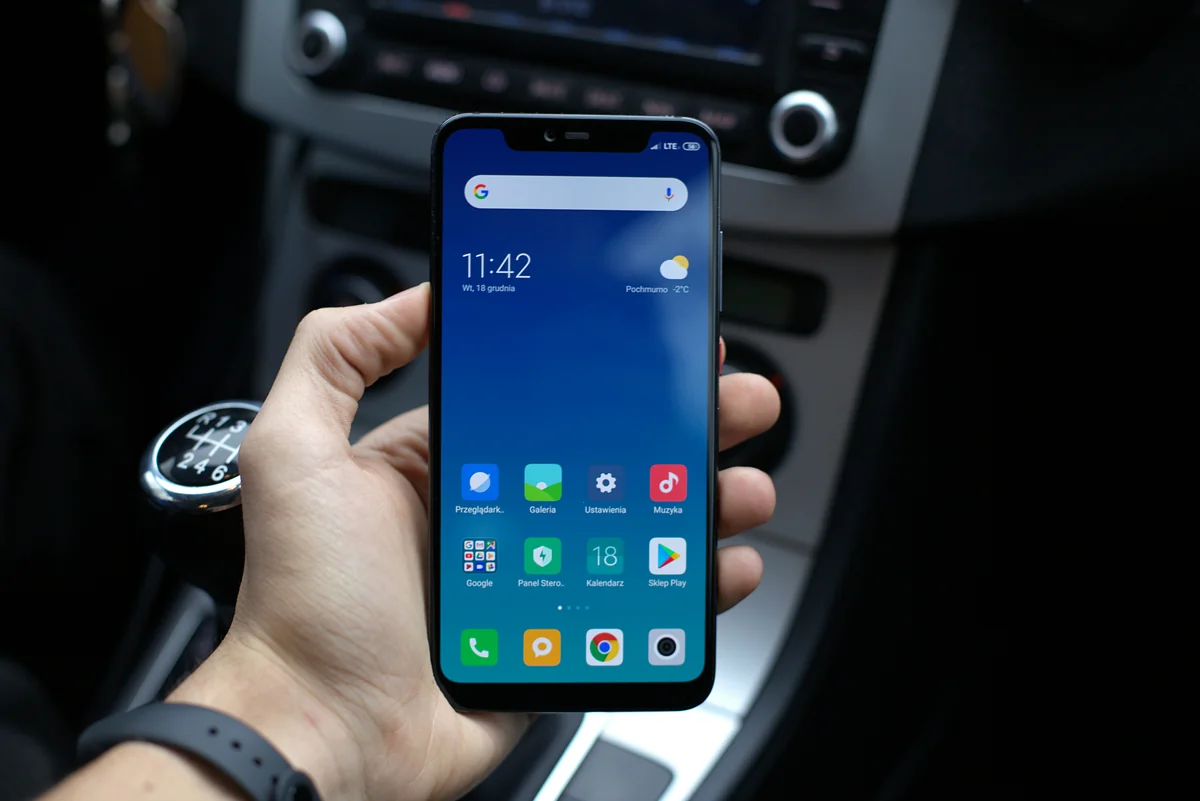
Xiaomi Mi 8 Pro - smartphone technology - box tv android
Photo by Mateusz Tworuszka on Unsplash

A these is a compact media device that connects to your television, usually through an HDMI port, and runs on the Android operating system or Android TV-based software. Once connected to Wi-Fi or Ethernet, it gives your TV access to streaming apps, media players, online content, and sometimes even gaming platforms.

Unlike older cable-only setups, a they is designed to centralize digital entertainment. You can install apps for services like YouTube, Netflix, Prime Video, Disney+, Spotify, and many other platforms depending on compatibility and regional access. Some users also rely on these devices for IPTV apps, local file playback, screen mirroring, and cloud gaming.

The core concept is simple: the device acts like a miniature computer optimized for television use. It includes a processor, RAM, internal storage, wireless connectivity, and a user interface that can be controlled with a remote, keyboard, air mouse, or mobile app. More advanced models may support voice control, Bluetooth accessories, 4K resolution, HDR formats, and expandable storage.

One major reason for the popularity of a the concept is flexibility. A standard smart TV may come with a limited app ecosystem or slower updates over time. In contrast, these boxes often provide broader software support and a more customizable setup. This makes them appealing to users who want more control over entertainment apps, playback settings, and performance options.

Another advantage is portability. If you travel frequently, you can bring the box with you and connect it to hotel or guest-room televisions. That means your preferred apps, watchlists, and login settings can follow you instead of being tied to one specific TV.

Benefits of Using a box tv android for Home Entertainment

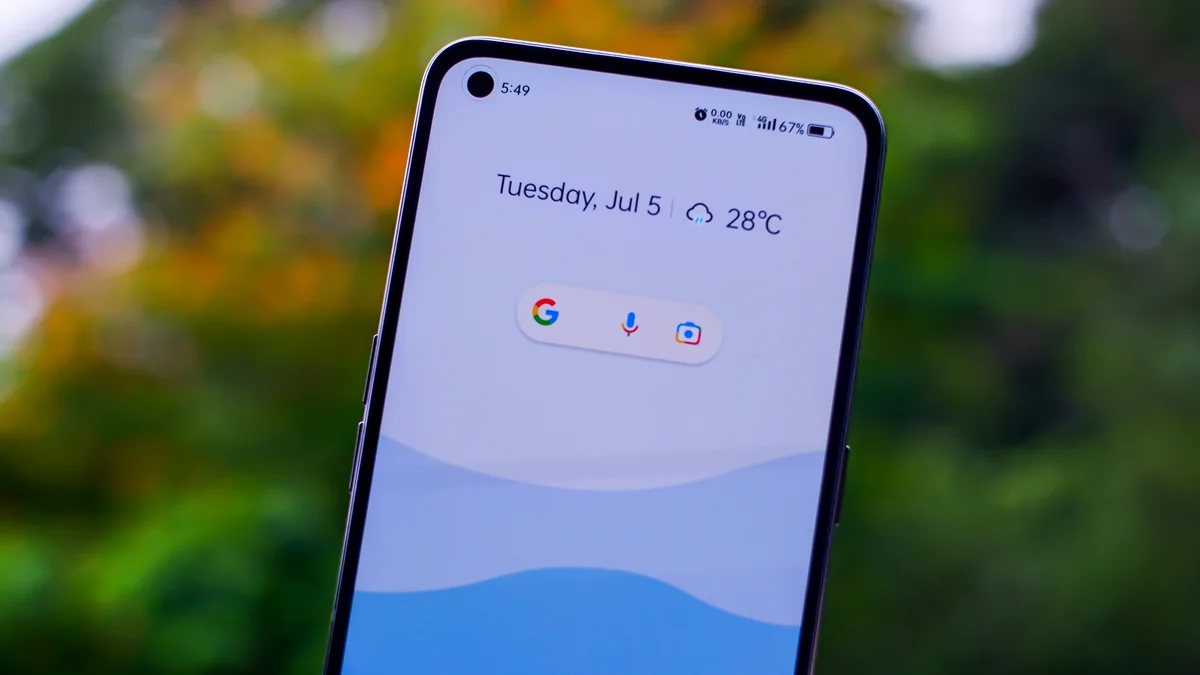
Realme gt master edition - smartphone technology - box tv android
Photo by Rajkamal rk on Unsplash

The biggest appeal of a the approach is value. Instead of replacing a perfectly good television, you can add smart functionality at a much lower cost. This is especially useful for households with multiple TVs, where upgrading each screen individually would be expensive.

A second major benefit is app variety. Many users choose a it because it allows access to a wide range of streaming, music, media server, and utility apps. Depending on the software version and certification level, you may find better compatibility than with older smart TVs that stop receiving updates after a few years.

Performance is another strong point. Modern devices often include faster chipsets and more RAM than budget smart TVs. A reliable this can improve menu responsiveness, reduce buffering when paired with a good internet connection, and deliver smoother playback for high-resolution content. This can make a noticeable difference if your current TV interface feels slow or outdated.

Customization also matters. You can often adjust launchers, install media player apps, manage storage, connect controllers, and organize your viewing environment according to your preferences. For power users, that flexibility makes the experience much more personal than a locked-down TV operating system.

Here are some of the most practical advantages:

– Affordable smart TV upgrade
– Access to streaming and media apps
– Better support for local file playback
– Voice search and smart assistant features on some models
– Portable entertainment solution
– Expandable storage and accessory support
– Easier replacement than buying a new TV

Many families also appreciate the ability to create separate profiles and app ecosystems around their habits. Parents may install educational content, while movie lovers can focus on premium streaming platforms and home theater apps. In that sense, a these becomes more than a streaming tool; it becomes the center of a flexible entertainment setup.

Key Features to Look for Before You Buy a box tv android

Not every they offers the same quality, so understanding the main buying factors is essential. A low price may seem attractive, but weak hardware, poor software support, and limited certification can lead to frustration. To make the right choice, focus on the features that have the biggest impact on daily use.

Xiaomi Mi 8 Pro - smartphone technology - box tv android
Photo by Mateusz Tworuszka on Unsplash

1. Operating System and Interface

The first thing to check is whether the device runs a TV-optimized Android interface or a standard tablet-style version of Android. A television-friendly interface is much easier to navigate with a remote. A high-quality the concept should offer a clean home screen, simple app access, and regular software updates.

2. Processor and RAM

Performance depends heavily on the chipset and memory. If you plan to stream 4K content, switch between apps, or use media-heavy applications, you want enough power to avoid lag. In general:

– 2GB RAM is entry level
– 4GB RAM is better for smoother multitasking
– Modern processors improve app launch speed and playback stability

A powerful the approach will provide a much better long-term experience than a cheap model with underpowered components.

3. Storage Capacity

Internal storage affects how many apps and files you can keep on the device. If you install several streaming services, games, and utility apps, low storage fills quickly. Look for at least 16GB if possible, and consider models with USB or microSD support for expansion.

4. Video and Audio Support

If picture quality matters, verify support for:

– 4K UHD resolution
– HDR10 or Dolby Vision
– Dolby Audio or Dolby Atmos
– AV1 or H.265 decoding

A capable it should match your television’s display capabilities and your sound system’s format support. Otherwise, you may not get the best viewing experience even if your TV is high-end.

5. Connectivity Options

Reliable connectivity matters as much as internal hardware. Important options include:

– Dual-band Wi-Fi
– Ethernet port
– Bluetooth
– HDMI 2.0 or higher
– USB ports

If you stream large files or use cloud gaming, Ethernet can provide better stability than Wi-Fi. A versatile this with strong connectivity gives you more setup choices around the home.

6. Certification and App Compatibility

This is one of the most overlooked factors. Some cheap devices run Android but are not officially certified for major streaming platforms in full HD or 4K. Before purchasing a these, confirm whether it supports the apps and playback quality you actually want.

How to Set Up and Optimize a box tv android

Setting up a they is usually straightforward, but a few smart steps can greatly improve performance, security, and convenience. If you take time to configure the device properly, you can avoid common problems like lag, app crashes, and unstable streaming.

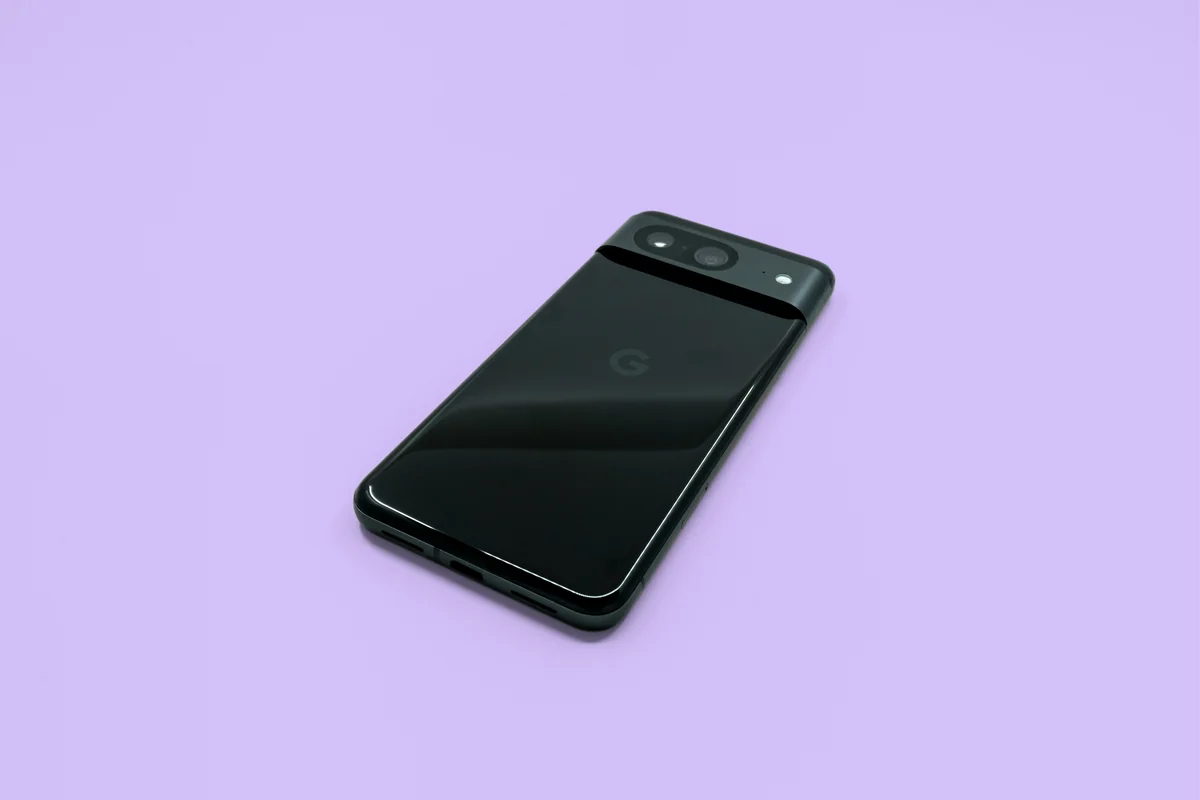
The google pixel 8, Google's latest innovation. With its elegant design, advanced features and cutting-edge technology, it redefines the smartphone experience. - smartphone technology - box tv android
Photo by Maxence Pira on Unsplash

Step 1: Connect the Hardware

Plug the device into your TV with an HDMI cable, connect power, and switch the TV input to the correct HDMI source. If available, place the box in an open area with good airflow. Heat can affect performance over time.

Step 2: Connect to the Internet

Use Wi-Fi for convenience or Ethernet for maximum stability. For a the concept that will stream 4K video regularly, a strong and consistent internet connection is essential. If buffering occurs often, moving closer to the router or using a wired connection can help.

Step 3: Sign In and Update

Log in with your Google account if required, then check for firmware and app updates immediately. Updates often improve security, compatibility, and performance. Keeping your the approach current reduces bugs and helps maintain smoother operation.

Step 4: Install Essential Apps

Choose apps based on your actual needs. Common categories include:

– Video streaming
– Music streaming
– File manager
– Media player
– Screen mirroring
– Cloud storage
– VPN
– Browser

Avoid installing too many unnecessary apps at once, especially on devices with limited storage.

Step 5: Adjust Display and Audio Settings

Go into settings and match the resolution to your TV. If your television supports 4K and HDR, enable those features where appropriate. Also review audio output settings for soundbars or AV receivers. A well-configured it can deliver a significantly better audio-visual experience than one left on default settings.

Step 6: Improve Security and Privacy

Because these devices connect to online services, basic digital hygiene matters. Use strong passwords, install apps from trusted sources, and avoid suspicious downloads. Some users also enable a VPN for privacy, especially when streaming on public or shared networks.

Step 7: Maintain Performance

To keep your device running well:

– Clear app cache periodically
– Remove unused apps
– Restart occasionally
– Keep storage from becoming full
– Update apps and firmware regularly

A properly maintained this can remain fast and dependable for years, especially if it comes from a reputable brand with software support.

Common Use Cases and Tips for Choosing the Right box tv android

Choosing the best these depends on how you plan to use it. There is no single perfect model for every person. Some users want basic streaming, while others need high-performance playback, gaming support, or home theater integration.

For Casual Streaming

The google pixel 8, Google's latest innovation. With its elegant design, advanced features and cutting-edge technology, it redefines the smartphone experience. - smartphone technology - box tv android
Photo by Maxence Pira on Unsplash

If your goal is simple access to major video apps, focus on certification, ease of use, and stable connectivity. You may not need the most powerful hardware, but you do need reliable software and smooth navigation. A basic they that handles HD or 4K streaming well is often enough for casual viewing.

For Home Theater Enthusiasts

If you care deeply about picture and sound, prioritize premium video and audio format support. Look for HDR compatibility, strong codec support, and passthrough options for advanced audio systems. In this scenario, a high-end the concept is worth the investment because it can make full use of your television and speaker setup.

For Local Media Playback

Some users store movies, shows, or personal videos on external drives or network storage. In that case, codec support, USB ports, and media player compatibility become especially important. A flexible the approach can function as an excellent hub for local media libraries.

For Gaming and Emulation

Android-based TV boxes are not equal when it comes to gaming. If you plan to use cloud gaming apps, Android games, or retro emulators, choose stronger hardware, Bluetooth controller support, and sufficient cooling. A gaming-focused it should have enough processing power to handle more demanding applications without overheating.

For Travel or Secondary TVs

Portability is one of the underrated strengths of these devices. A lightweight this is easy to pack and can instantly bring familiar apps and entertainment to a non-smart TV in a bedroom, office, dorm, or hotel room. For travel use, compact design and easy Wi-Fi setup matter more than advanced features.

Buying Tips to Avoid Disappointment

Here are some practical recommendations before purchasing:

– Read verified user reviews
– Check update history from the manufacturer
– Confirm streaming certification
– Verify remote control quality
– Compare RAM, storage, and connectivity
– Avoid unknown brands with unrealistic promises
– Match the device to your TV resolution

The right these should fit your habits, not just your budget. Spending slightly more on a trusted model can save money and frustration in the long run.

FAQ About box tv android

What is a box tv android used for?

A they is used to add smart features to a television. It allows users to stream video, install apps, play music, access online content, mirror screens, and sometimes play games without needing a new smart TV.

black android smartphone on brown wooden table - smartphone technology - box tv android
Photo by Shubham Bombarde on Unsplash

Is a box tv android better than a smart TV?

A the concept can be better than a smart TV in some situations because it is easier to upgrade, often offers more flexibility, and may provide better app support than older built-in TV systems. However, the best choice depends on the quality of the device and your viewing needs.

Can I watch Netflix and YouTube on a box tv android?

Yes, many users buy a the approach specifically for services like Netflix and YouTube. Still, app quality and streaming resolution depend on whether the device is officially certified by the relevant platforms.

Does a box tv android need internet?

A box tv android usually needs internet for streaming, app downloads, updates, and online services. However, some functions such as local media playback from USB drives can work without an internet connection.

How much RAM is enough for a box tv android?

For basic streaming, 2GB of RAM may be enough, but 4GB is generally better for smoother performance. If you want a more responsive box tv android for multitasking, gaming, or heavier media use, more RAM is usually beneficial.

Can I use a box tv android on any television?

In most cases, yes. A box tv android works with nearly any television that has an HDMI port. Older TVs may need adapters, but most modern screens support easy connection and setup.

Conclusion

A box tv android is one of the most practical ways to modernize a television without replacing it. It offers streaming access, app flexibility, media playback options, and customizable entertainment features in a compact and affordable form. For many households, it is a smarter investment than buying a new TV just to get updated software features.

When choosing a box tv android, focus on performance, certification, connectivity, storage, and support for the video and audio formats you actually use. A well-chosen device can transform everyday viewing, whether you want casual streaming, advanced home theater playback, gaming, or portable entertainment. By understanding the essential features and setup tips covered in this guide, you can select a device that delivers reliable performance and long-term value.

Person holding a white smartphone with a camera lens - smartphone technology - box tv android
Photo by Gavin Phillips on Unsplash

Related Articles

Iptv nordic: 3 : Complete Guide for Smart TV Streaming - iptv nordic

iptv nordic: 3 : Complete Guide for Smart TV Streaming

Introduction

The streaming landscape in Scandinavia has changed rapidly, and many viewers now want more flexible ways to access live channels, sports, films, and international content. That growing interest has made it a widely searched topic among users in Sweden, Norway, Denmark, Finland, and Iceland. Whether someone is looking for a cable alternative, broader channel access, or support across multiple devices, internet-based television is becoming a practical option.

Understanding how this works is important before choosing a provider or setup. Service quality, device compatibility, legal considerations, and internet speed all affect the viewing experience. This guide explains the essentials, highlights key features, compares common use cases, and helps readers make informed choices when exploring modern streaming solutions across the Nordic region.

What Is IPTV and Why Is IPTV Nordic Growing?

Panoramic aerial view of Tromsø, Norway, showcasing snow-capped mountains and the iconic Arctic Cathedral. - iptv nordic
Photo by Efrem Efre on Pexels

Internet Protocol Television, commonly called IPTV, delivers television content through an internet connection instead of traditional cable or satellite systems. This model allows users to stream live TV, on-demand content, and even replay features from a wide range of devices, including smart TVs, mobile phones, tablets, Android boxes, and computers.

The popularity of these has increased because viewers want more control over what they watch and when they watch it. Traditional subscriptions can feel restrictive, especially for households that want local Nordic channels, international networks, sports packages, and movie libraries in one place. IPTV platforms often appeal to these users by offering broader content access and greater flexibility.

Another reason they is gaining attention is the high level of internet penetration across Nordic countries. Fast broadband and reliable mobile networks make streaming much easier than in regions with limited connectivity. In Sweden, Norway, Denmark, and Finland, many homes already have the bandwidth needed for HD and even 4K streaming, which makes IPTV a natural extension of how media is consumed.

Cost efficiency also matters. Many people compare IPTV options with standard cable packages and find that internet-based viewing may offer better value, especially when users only want certain categories of content. Families may appreciate multi-device access, while sports fans often focus on real-time performance and coverage.

The shift toward digital media habits has also influenced demand. Younger audiences often prefer app-based services over fixed television contracts. As a result, the concept is often discussed not just as a product category but as part of a broader move toward personalized home entertainment. Users want platform freedom, easier installation, and content libraries that fit multilingual households across the region.

Key Features to Look for in IPTV Nordic Services

Stunning aerial view of Tromsø at night. Illuminated cityscape with harbor and mountains, captured in vibrant colors. - iptv nordic
Photo by Felix Rottmann on Pexels

Choosing the right the approach service requires more than simply checking channel numbers. A quality provider should offer a balance of stability, content variety, user experience, and technical support. Since many services can look similar on the surface, understanding the most important features can help prevent disappointment later.

Channel Selection and Local Relevance

For Nordic viewers, local channel availability is often the first concern. Many households want access to Swedish, Norwegian, Danish, or Finnish channels, along with regional news and entertainment. International content may also matter, especially in multilingual homes or among expat communities. A strong it option should reflect local viewing habits while also supporting broader tastes.

Streaming Quality and Server Stability

Buffering is one of the biggest complaints among streaming users. Reliable server infrastructure is essential for smooth playback, particularly during live sports, peak evening hours, and major televised events. Before subscribing, users often look for service consistency, uptime reputation, and support for HD or 4K streams. A dependable this provider should prioritize performance over inflated marketing claims.

Device Compatibility

A practical service should work across multiple platforms. Many users stream through Samsung or LG smart TVs, while others prefer Android TV, Fire TV devices, MAG boxes, smartphones, tablets, or PCs. Easy installation matters, especially for less technical users. One reason people search for these solutions is the convenience of being able to watch content on nearly any connected screen.

Electronic Program Guide and User Interface

A clean interface improves the overall experience significantly. Features such as an Electronic Program Guide, favorites lists, catch-up access, search tools, and organized categories make browsing faster and more enjoyable. Without these basics, even a large content library can feel frustrating to use.

Customer Support and Trial Access

Responsive support can make a major difference when setup issues appear. Good providers usually offer installation guidance, troubleshooting help, and clear contact methods. Trial periods are also valuable because they let users test stream quality, channel availability, and app compatibility before making a longer commitment. When evaluating they options, trial access is often one of the smartest ways to reduce risk.

Benefits and Challenges of Using IPTV Nordic at Home

For many households, the concept offers clear advantages over traditional television delivery. At the same time, users should understand the challenges that can affect reliability, legality, and long-term satisfaction. Looking at both sides helps create realistic expectations before switching from cable or satellite services.

Breathtaking view of Nordland's rugged peaks and tranquil waters at sunset. - iptv nordic
Photo by stein egil liland on Pexels

Main Benefits

One major benefit is flexibility. IPTV services often allow viewers to stream from different rooms and devices without needing separate cable boxes for each television. This is useful for families, shared apartments, and users who want access while traveling. Because internet-based TV works through apps and connected devices, setup can also be faster and less invasive than conventional installations.

Another advantage is content diversity. A well-built the approach package may combine local Nordic channels, global entertainment, kids’ programming, documentaries, and sports under one subscription model. This appeals to viewers who do not want to pay for several separate services.

On-demand access is another strong selling point. Many users no longer want to follow fixed broadcast schedules. Catch-up features, replay options, and integrated media libraries create a more convenient viewing experience. For people with busy work schedules, that flexibility is often a deciding factor.

Common Challenges

Internet speed and network quality remain critical. Even the best it service can struggle if the home connection is unstable or overloaded by multiple users. Wi-Fi dead zones, weak routers, and low bandwidth can reduce picture quality or cause interruptions during live broadcasts.

Users may also encounter inconsistent service quality between providers. Some platforms invest in strong infrastructure and customer support, while others focus mainly on aggressive promotion. That is why research matters. Reviews, trials, and user feedback can reveal whether a provider is dependable over time.

Legal and licensing issues are another important factor. Not all IPTV services operate under the same standards. Consumers should verify that any platform they use complies with local laws and proper content distribution practices. This is especially relevant in regions where media rights differ by country.

Finally, technical setup may be simple for some users but confusing for others. App configuration, playlist loading, login credentials, and device optimization can present small hurdles. Fortunately, many modern providers have improved onboarding, making this more accessible to beginners than it was in earlier years.

How to Choose the Best IPTV Nordic Provider

Finding the best these provider involves a combination of technical evaluation, content assessment, and practical testing. Since no single service is ideal for every household, the most effective approach is to match features to personal viewing habits.

A breathtaking aerial view of Ålesund, Norway, showcasing its vibrant harbor and surrounding landscapes. - iptv nordic
Photo by Ramon Perucho on Pexels

Start With Your Viewing Priorities

Some users care most about sports, while others prioritize Nordic entertainment, children’s channels, or international movie content. Before comparing services, list the channels and features that matter most. This helps avoid paying for a package that looks impressive but lacks the content actually used at home.

Check Device Support

Not every service works equally well on every device. If a household uses a mix of smart TVs, streaming sticks, and mobile apps, compatibility should be confirmed in advance. A quality they provider should clearly state which apps, operating systems, and hardware types are supported.

Test for Quality Before Long Commitments

Short trials are extremely useful. During a test period, users can evaluate stream startup speed, picture quality, menu responsiveness, and performance during peak hours. Sports channels are especially useful for testing because they reveal buffering issues quickly. Anyone comparing the concept services should avoid long contracts without first verifying stability.

Review Support and Transparency

Look for providers that explain their packages clearly, including channel categories, subscription terms, connection limits, and support methods. Transparent communication is often a positive signal. Reliable providers typically offer setup guides and answer questions quickly.

Consider Home Network Readiness

A service can only perform as well as the home network allows. Ethernet connections are often more stable than Wi-Fi for fixed devices like smart TVs or Android boxes. Users should also check router quality and internet speed, especially if several people stream at the same time. To get the best results from the approach, the local network should be treated as part of the setup, not an afterthought.

Setting Up IPTV Nordic for the Best Streaming Experience

Once a user selects a service, proper setup is essential for smooth playback. Even a strong it subscription may underperform if device settings, apps, or network conditions are not optimized. Fortunately, most setup steps are straightforward.

Choose the Right Device

Scenic view of Tromsø Bridge with snowy mountains and calm waters, capturing winter in northern Norway. - iptv nordic
Photo by Efrem Efre on Pexels

Smart TVs are convenient, but dedicated streaming devices often provide better app performance and flexibility. Android TV boxes, Fire TV devices, and similar platforms are popular because they support a wide range of IPTV applications. Users who value portability may prefer tablets or smartphones, while others build their main setup around a living room television.

Install a Reliable IPTV App

Most services require a compatible app rather than a standalone channel portal. Common apps support playlist URLs, Xtream-style login systems, and EPG integration. The right app can improve navigation, search, and playback controls. For many households using this, app quality has a direct impact on daily satisfaction.

Optimize Internet Performance

Whenever possible, connect the main viewing device with an Ethernet cable. Wired connections reduce interference and often provide more consistent streaming. If Wi-Fi must be used, placing the router closer to the television area and using modern wireless standards can help. Users should also limit large downloads during live viewing periods.

Adjust Playback and Display Settings

Some apps allow buffer size adjustments, stream format settings, and subtitle controls. Testing these options can improve stability. Users with 4K televisions should also confirm whether their internet speed and device hardware can handle higher-resolution playback smoothly.

Keep Expectations Realistic

No service is perfect at every hour of the day, and occasional outages can happen with any digital platform. However, with the right combination of provider, app, and network quality, these can deliver a modern and highly flexible viewing experience that suits many different home entertainment needs across the region.

FAQ About IPTV Nordic

What is iptv nordic?

they generally refers to IPTV services tailored for users in the Nordic region, including Sweden, Norway, Denmark, Finland, and nearby markets. These services often focus on local channels, regional language support, and compatibility with popular streaming devices used in Scandinavian homes.

Explore Gothenburg Central Station's stunning architecture in the heart of Sweden. - iptv nordic
Photo by Efrem Efre on Pexels

The legality of iptv nordic depends on the provider, licensing status, and local regulations. Users should always choose services that distribute content legally and comply with broadcasting rights in their country. Checking provider transparency is an important first step.

What internet speed is needed for iptv nordic?

For iptv nordic, a stable broadband connection is more important than raw peak speed alone. In general, SD streams require less bandwidth, HD streams need more, and 4K streaming requires a fast and reliable connection. Households with multiple simultaneous viewers should plan for extra capacity.

Can I watch iptv nordic on a smart TV?

Yes, many iptv nordic services support smart TVs directly through compatible apps. They may also work on Android TV devices, Fire TV sticks, mobile phones, tablets, and computers. Users should confirm app support before subscribing.

How do I choose the best iptv nordic service?

To choose the best iptv nordic option, compare channel relevance, stream stability, trial availability, customer support, and device compatibility. It is also wise to test service quality during peak viewing hours before selecting a long-term plan.

Conclusion

As streaming continues to reshape television habits across Scandinavia, iptv nordic has become an increasingly relevant solution for viewers who want flexibility, broad content access, and multi-device convenience. It can be a strong alternative to traditional TV services when users choose carefully and set realistic expectations around internet quality, app performance, and provider reliability.

The best approach to iptv nordic is informed evaluation. Focus on local channel needs, legal compliance, trial testing, device support, and home network readiness before committing to any subscription. When those factors are aligned, IPTV can provide a smooth and modern entertainment experience for households throughout the Nordic region.

Captivating sunset over snowy village in Hol, Norway, showcasing winter beauty. - iptv nordic
Photo by Roland Juhász on Pexels

Related Articles

iptv list: 15 : Complete Guide to Channels and Setup

Introduction

Finding the right iptv list can feel overwhelming when there are so many services, formats, apps, and device options available. Whether you are new to internet television or trying to improve your current streaming setup, understanding how an iptv list works is the first step toward a better viewing experience. A good list helps organize live channels, video-on-demand options, and regional content in one accessible place. It also improves compatibility with media players, smart TVs, streaming sticks, and mobile devices. In this guide, you will learn what these lists are, how they function, what features matter most, and how to choose a reliable option for your needs. By the end, you will be better prepared to compare providers and use IPTV more effectively.

What an IPTV Service List Is and How It Works

An iptv list is a structured collection of streaming entries that allows users to access television channels and media content over an internet connection instead of traditional cable or satellite systems. These entries are usually delivered in formats such as M3U, Xtream Codes, or API-based playlists. Each entry may include a channel name, stream URL, logo, category, and sometimes additional metadata such as electronic program guide support.

At its core, this type of list acts like a digital index. Instead of manually entering channel links one by one, users load a single file or portal address into a compatible app. The software then reads the data and displays available channels in an organized menu. That menu can include sports, movies, kids programming, news, local stations, and international content.

There are several major reasons why IPTV has become popular:

– It offers broad channel access through the internet
– It often works across multiple devices
– It can combine live TV and on-demand content
– It provides more flexibility than fixed cable packages
– It gives users more control over how channels are organized

A typical iptv list may be used with apps like IPTV Smarters, TiviMate, VLC, Kodi, or smart TV players. Once imported, the user can browse categories, mark favorites, and watch content in real time. Some services also provide catch-up features, allowing certain channels to be replayed after broadcast.

However, not all playlists are equal. Some are clean, fast, and well-maintained. Others are outdated, unstable, or full of duplicate links. The quality of the viewing experience depends on several technical factors, including stream reliability, server load, internet speed, codec support, and app performance.

It is also important to understand the role of EPG, or electronic program guide, in any modern IPTV environment. EPG data gives viewers information about what is currently airing and what comes next. Without it, even a large channel selection can feel disorganized. A well-formatted list with accurate guide data is much easier to navigate.

In practical terms, users benefit most when the service provider updates channels regularly, removes broken links, and ensures compatibility across platforms. This is why evaluating the structure and maintenance quality of a playlist is just as important as checking the total number of channels.

How to Choose the Best IPTV Service List for Your Needs

Selecting an iptv list should never be based only on how many channels it includes. A provider may advertise thousands of options, but if buffering is constant or categories are messy, the user experience will be poor. A better approach is to compare quality, organization, support, and technical consistency.

Start by thinking about your own viewing habits. Do you mainly watch live sports, local news, international entertainment, or movie channels? The ideal provider for one household may not fit another. A family that needs children’s programming and regional content has very different priorities from a sports-focused user who values stable high-definition streams.

Here are the most important factors to consider:

Channel Relevance

The best iptv list for you is one that includes channels you will actually watch. A smaller, curated package is often more useful than a massive but unorganized one. Check whether the provider clearly separates content by country, language, or genre.

Stream Stability

Reliability matters more than volume. Look for services known for minimal downtime and reduced buffering. A provider with optimized servers and proper load balancing will usually perform better during peak hours, especially for live events.

Video Quality

Some playlists include SD, HD, Full HD, and even 4K streams. Your internet speed and device capability should match the stream quality being offered. If your connection is limited, a list that offers adaptive or lower-resolution options may be more practical.

Device Compatibility

Make sure the playlist works with the devices you use most. Some services are better optimized for Android TV boxes, while others are easier to load on smart TVs, iPhones, tablets, Fire TV devices, or desktop media players.

EPG and User Interface Support

Good EPG integration adds major value. It helps users browse programming without guessing what each channel is showing. When paired with a polished app, an organized guide can make the entire viewing process faster and more enjoyable.

Trial Access

A trial is one of the safest ways to test an iptv list before paying for a longer subscription. During the trial period, check startup speed, buffering frequency, channel accuracy, and guide synchronization.

Customer Support

Responsive support is often overlooked. If login details fail, the portal changes, or channels stop loading, timely help can make a big difference. Providers with clear communication and setup instructions are generally easier to work with.

It is wise to test a service on your main device before committing. Try opening several categories, watching channels at different times of day, and switching between live TV and any available on-demand content. The more consistent the performance, the better the overall value.

Key Features to Look for in an IPTV Service List

A high-quality iptv list should do more than simply display channels. It should provide a smooth, organized, and dependable experience that works well across your preferred devices. Many users focus only on access, but features play a huge role in long-term satisfaction.

One of the first features to assess is playlist organization. Clean grouping by genre, language, or country helps users find content quickly. Poorly labeled channels create frustration, especially in larger packages. Good providers typically use logical naming conventions, updated logos, and clearly separated sections.

Another major feature is support for multiple formats. A flexible playlist may be available through M3U links, Xtream Codes credentials, or direct portal URLs. This gives users more freedom when selecting apps and devices. If one method fails or is less stable, another format may work better.

Important features to prioritize include:

– Accurate and updated EPG data
– Favorite channels and custom categories
– Catch-up or replay for selected content
– Fast channel switching
– Multi-screen compatibility
– Support for subtitles or alternate audio
– VOD integration alongside live channels

A dependable iptv list should also be updated frequently. Streaming sources change often, and broken links can quickly reduce quality. Regular maintenance ensures that channels stay active and categories remain relevant.

Security and privacy are also worth noting. Users should avoid suspicious downloads, unknown player apps, or providers that offer poor setup transparency. A reputable service should provide clear instructions, legitimate billing methods, and stable login details. Many users also prefer using a VPN for additional privacy and improved routing, especially if their internet provider throttles streaming traffic.

Another helpful feature is search functionality within the app. If you have hundreds or thousands of channels, typing a name is far more efficient than scrolling endlessly. Some advanced players also let users rearrange categories, set parental controls, and back up settings.

Audio and video codec support can also affect compatibility. Older devices may struggle with newer compression formats, causing lag or playback errors. Testing the playlist with your actual hardware is important before relying on it full time.

Ultimately, the best feature set is one that matches how you watch TV. Some users need a simple live channel package. Others want a full home entertainment hub with guides, movies, replay, and support across multiple rooms.

How to Set Up and Manage an IPTV Service List Easily

Setting up an iptv list is usually straightforward, but the exact steps depend on the device and player you choose. In most cases, the service provider will give you either an M3U URL, a file download, or Xtream Codes login credentials. Once you have that information, you can import it into a compatible app and start browsing channels.

Basic Setup Process

Most setups follow these simple steps:

  1. Choose a compatible IPTV player
  2. Install the app on your device
  3. Enter your playlist URL or login credentials
  4. Load the channel database
  5. Add EPG details if they are provided
  6. Restart the app if necessary
  7. Organize favorites and preferred categories

Popular apps include TiviMate for Android TV, IPTV Smarters for cross-platform use, VLC for desktop playback, and Kodi for highly customizable setups. Some smart TVs have dedicated IPTV apps in their app stores, while other devices may require sideloading.

When loading an iptv list, it is best to begin with one device and confirm that everything works correctly before configuring more screens. This helps identify whether any issue comes from the provider, the app, or the hardware itself.

Tips for Better Performance

Once your service is installed, a few adjustments can improve playback quality:

– Use a wired connection when possible
– Restart your router regularly
– Clear app cache if channels load slowly
– Keep the player app updated
– Avoid overloading weak devices with very large playlists
– Use an external player if built-in playback is unstable

Internet speed is especially important. Standard-definition streams may work on slower connections, but HD and 4K content require more bandwidth and stability. If buffering persists, test your connection speed and compare performance on Wi-Fi versus Ethernet.

Managing Your Channels

Over time, playlists can become cluttered. A large iptv list may include duplicates, foreign-language content you do not need, or categories that slow navigation. Many apps allow you to hide sections, sort channels, or create favorite groups. Taking a few minutes to customize the layout can dramatically improve daily use.

It is also a good idea to refresh the playlist periodically. Providers often update streams, logos, and guide information. If a channel stops working, reloading the data may fix it. If not, support may need to issue a new URL or updated credentials.

Backup is another practical step. Some apps let you export settings, favorites, and layout preferences. This can save time if you change devices or reinstall the player.

For households with multiple viewers, parental controls may also be useful. Many IPTV apps let you lock certain categories with a PIN, helping restrict adult or inappropriate content.

Common Issues With an IPTV Service List and How to Fix Them

Even a strong iptv list can occasionally present problems. Because IPTV depends on internet delivery, app performance, and provider maintenance, several points of failure are possible. The good news is that many common issues can be solved quickly with basic troubleshooting.

Buffering and Freezing

This is one of the most common complaints. Causes may include slow internet, Wi-Fi interference, overloaded provider servers, or a device that struggles with high-bitrate streams. Start by testing your speed, switching to Ethernet if available, and lowering the stream quality if your app supports it.

Channels Not Loading

If channels fail to open, the source links may be down, your subscription may have expired, or the playlist may need refreshing. Reload the portal, restart the app, and confirm that your credentials are still active. If the issue affects only a few channels, it is likely a provider-side problem.

Missing Guide Data

Sometimes the channels work but the EPG does not appear. In that case, check whether the guide URL was entered correctly and whether the playlist format supports it. Re-syncing the app or manually refreshing data often resolves the problem.

App Crashes or Slow Navigation

A very large iptv list can overwhelm older devices, especially low-memory streaming boxes. If menus lag, disable unused categories, clear cache, or test a lighter player app. Some users get better performance by splitting large playlists or using apps with better optimization.

Audio and Video Out of Sync

This problem can come from the source stream, the decoding method, or the player itself. Try switching the hardware decoder setting, changing the external player, or testing the same channel on another device.

Here is a simple troubleshooting checklist:

– Restart the device and router
– Refresh playlist and EPG data
– Verify subscription status
– Test on another app or device
– Reduce stream quality if available
– Contact provider support for outages

A well-maintained iptv list should recover from most minor problems with a refresh or app restart, but persistent issues usually point to provider quality. If channels are frequently unavailable, support is unresponsive, or guide data is never accurate, it may be time to explore other options.

Long-term reliability depends on a combination of strong infrastructure, regular maintenance, and good software compatibility. Users who choose quality providers and stable apps usually enjoy a much smoother experience.

FAQ

What is an IPTV playlist and why is it useful?

An iptv list is a file or portal-based channel collection that lets users stream television over the internet using compatible apps and devices. It is useful because it organizes live channels, on-demand content, and guide data in one accessible system.

How do I add an IPTV playlist to my device?

To use an iptv list, install a compatible player, then enter the M3U link, portal URL, or Xtream Codes details provided by your service. After loading the data, you can browse categories, watch channels, and sync guide information.

Can I use an IPTV playlist on a smart TV?

Yes, many smart TVs support apps that can load an iptv list directly. Compatibility depends on the app store available on your TV brand and whether the player supports your playlist format.

Why does my IPTV playlist keep buffering?

Buffering with an iptv list can happen because of slow internet, Wi-Fi interference, overloaded servers, or device limitations. Testing your connection, using Ethernet, and trying another app can often improve performance.

What format is most common for IPTV playlists?

The most common format for an iptv list is M3U, though many providers also support Xtream Codes and portal-based access. The best option depends on your player, device, and desired features.

Conclusion

Choosing the right iptv list is less about chasing the biggest channel count and more about finding stable streams, useful organization, reliable guide data, and strong device compatibility. When you understand how playlists work, what features matter, and how to troubleshoot common issues, you can build a far better streaming setup for everyday use. A dependable iptv list should be easy to load, simple to manage, and consistent across the content you care about most. Before committing to any provider, test the service carefully, confirm app compatibility, and focus on quality over hype. With the right approach, IPTV can become a flexible and convenient way to enjoy live television and on-demand entertainment from almost anywhere.

Related Articles

Iptv netherlands: Complete Guide for 2026: A Complete Guide - iptv netherlands

iptv netherlands: Complete Guide for 2026: A Complete Guide

Introduction

The television market in the Netherlands has changed dramatically in recent years. Traditional cable and satellite services now compete with internet-based streaming solutions that offer more flexibility, broader content access, and often more attractive pricing. For many households, this shift has made it a popular topic when comparing modern TV options. Whether you want Dutch local channels, international sports, on-demand movies, or multi-device streaming, internet television services can provide a more customized viewing experience.

At the same time, not all services are equal. Viewers need to understand how IPTV works, what features matter most, how legality and licensing affect providers, and what internet speed is required for smooth performance. This guide explains everything you should know before choosing this services in 2026.

What Is IPTV and Why Is It Growing in the Netherlands?

Traditional Dutch houses reflecting in a canal in Volendam, North Holland, Netherlands. - iptv netherlands
Photo by Thomas balabaud on Pexels

IPTV stands for Internet Protocol Television. Instead of receiving TV content through traditional satellite signals or coaxial cable systems, users stream channels and media over an internet connection. This model has gained momentum because it aligns with how people now consume entertainment: on demand, across multiple devices, and with greater control over what they watch.

The growth of these is closely linked to the country’s strong broadband infrastructure. The Netherlands has one of the most reliable internet networks in Europe, making high-definition and even 4K streaming more practical for households in cities and rural areas alike. Faster internet speeds have encouraged more viewers to replace fixed TV packages with flexible digital alternatives.

Another reason for the rise of they is content variety. Many users want access to Dutch national channels, regional programming, international language options, live sports, films, children’s content, and catch-up TV in one place. IPTV platforms are often designed to serve this demand with broader catalogs than conventional packages.

Cost also plays a role. Some viewers are tired of paying for bundles filled with channels they never watch. IPTV services often promote more affordable access, simpler subscription structures, and compatibility with smart TVs, Android boxes, tablets, smartphones, and laptops.

In addition, changing lifestyles have affected viewing habits. Families no longer gather around one television at a fixed hour. Instead, different household members stream different programs simultaneously. That flexibility makes the concept attractive for modern users who want control, mobility, and personalized entertainment choices.

How IPTV Works and What Features Matter Most

A vibrant night scene of Amsterdam's canal with colorful reflections and city lights. - iptv netherlands
Photo by Samuel Tadesse on Pexels

To understand whether the approach is right for you, it helps to know the basics of how the technology works. IPTV transmits television and video content in data packets over an internet protocol network. Users typically access the service through an app, dedicated set-top box, smart TV portal, media player, or web platform. Once connected, they can browse live channels, video-on-demand libraries, replay programs, and recordings.

There are three common IPTV content formats:

  1. Live TV – Real-time broadcasts of channels such as news, sports, and entertainment.
  2. Video on Demand (VOD) – A library of movies and series available whenever you want.
  3. Catch-Up TV – Programs that aired previously and remain available for replay.

When comparing it options, several features are especially important:

Channel Selection

Most users start with content. A strong service should provide a balanced lineup of Dutch channels, international channels, premium entertainment, and special-interest content. Sports fans may prioritize football coverage, while families may focus on children’s channels and movie libraries.

Streaming Quality

Look for stable HD or 4K capability if your device and internet connection can support it. High resolution is important, but consistency matters more. A provider that promises 4K but buffers constantly offers a worse experience than a stable HD stream.

EPG and User Interface

An Electronic Program Guide helps users browse channels, check schedules, and discover upcoming content. A clean, responsive interface improves the overall experience and makes this easier to use for all age groups.

Device Compatibility

A good IPTV service should work across multiple platforms, including smart TVs, Android TV, Fire TV devices, smartphones, tablets, MAG boxes, and desktop systems. Multi-device flexibility is one of the major reasons viewers switch from traditional TV.

Catch-Up and Recording

Catch-up support is useful for people with busy schedules. Some platforms also include cloud recording or time-shift features, allowing viewers to pause, rewind, or save live programs.

Customer Support

Reliable support is often overlooked until something stops working. Setup guidance, troubleshooting help, and responsive communication can make a major difference when choosing these subscriptions.

Trial Availability

Many users prefer a short trial before committing. This helps test stream stability, app usability, and content relevance without taking unnecessary risk.

Legality is one of the most important topics surrounding they. IPTV technology itself is legal. It is simply a method of delivering television and video content over the internet. The legal issue depends on whether the provider has the rights and licenses to distribute that content.

Night view of NEMO Science Museum and harbor reflections in Amsterdam. - iptv netherlands
Photo by David Rama on Pexels

Licensed providers that secure proper broadcasting agreements operate within legal frameworks. These services may be offered by telecom companies, recognized streaming businesses, or officially authorized TV platforms. They usually provide transparent billing, terms of use, and customer support.

Problems arise when unlicensed providers offer premium channels, sports packages, films, and pay-TV content without distribution rights. Such services may appear cheaper or more extensive, but they often come with serious drawbacks. Streams can disappear suddenly, quality can be inconsistent, and users may face privacy and payment risks. In some cases, authorities take action against illegal operators and distribution networks.

For consumers evaluating the concept, it is wise to look for these indicators of legitimacy:

– Clear company information
– Transparent pricing and subscription terms
– Official website and support channels
– Licensed app distribution through trusted platforms
– Realistic channel claims rather than “everything included forever”
– Secure payment options
– Privacy policy and legal disclosures

It is also smart to be cautious of providers that make exaggerated promises, offer suspiciously low lifetime deals, or provide access through obscure methods without clear branding. A legal and trustworthy IPTV provider will usually be more open about who they are and how the service works.

If your goal is long-term reliability, legal access should be a top priority. The safest approach when exploring the approach is to choose services that clearly operate with proper authorization and customer accountability.

How to Choose the Best IPTV Service in the Netherlands

Selecting the right it provider involves more than comparing price. The best service for one user may not suit another, because viewing habits, device preferences, language needs, and budget all differ. A systematic evaluation can help you avoid disappointment.

A picturesque view of colorful canal houses reflecting on the water in Amsterdam, Netherlands. - iptv netherlands
Photo by David Rama on Pexels

1. Identify Your Viewing Priorities

Start by asking what you watch most often. Do you need Dutch national and regional channels? Are live sports your main concern? Do you want international programming for multilingual households? Is on-demand content more important than live TV? These questions help narrow down relevant options.

2. Check Internet Performance

Streaming quality depends heavily on connection stability. For standard HD streaming, a strong broadband connection is usually enough. For multiple simultaneous streams or 4K playback, you will need higher speeds and a reliable home network. Before committing to this, test your Wi-Fi performance in the room where you watch TV most often.

3. Review Device Support

Not all IPTV services support every platform equally well. Some work best on Android-based devices, while others provide dedicated apps for smart TVs or web browsers. Make sure the provider supports your preferred setup before subscribing.

4. Evaluate Ease of Setup

Some services are simple to activate with an app login, while others require manual playlist installation or portal configuration. If you want a plug-and-play experience, look for a provider with clear instructions and a beginner-friendly system.

5. Compare Subscription Flexibility

Monthly plans are often safer than long-term commitments when testing a new service. Flexible billing lets you cancel if performance or content does not meet expectations. A trustworthy these provider should not force users into unclear contracts.

6. Look for Stable Performance at Peak Times

A service may perform well in the morning but struggle during major football matches or evening viewing hours. Reviews and trial tests can reveal whether servers remain stable during high demand.

7. Read Independent Reviews Carefully

User reviews can be helpful, but they should be interpreted critically. Look for patterns rather than isolated comments. Repeated complaints about buffering, poor support, or sudden outages may indicate ongoing problems.

8. Check for Updates and Ongoing Maintenance

The IPTV environment changes frequently. Good providers update apps, maintain channel lists, improve interfaces, and respond to technical issues. Long-term quality often depends on active management rather than flashy marketing.

By evaluating these factors, you can choose they services with greater confidence and avoid common mistakes that lead to frustration.

Benefits and Challenges of IPTV for Dutch Viewers

Like any entertainment solution, iptv netherlands offers both advantages and limitations. Understanding both sides will help you decide whether it fits your home setup and viewing habits.

Key Benefits

Bright yellow Dutch trains at Den Haag Centraal on a quiet platform. - iptv netherlands
Photo by Martijn Stoof on Pexels

#### Flexibility Across Devices

One of the biggest benefits is the ability to watch content on multiple screens. You are not tied to one television in one room. Users can stream on smart TVs, phones, tablets, or laptops depending on where they are.

#### Broad Content Access

Many IPTV services combine local channels with international offerings, sports, movies, documentaries, and children’s programming. This makes them appealing for diverse households.

#### On-Demand Convenience

Modern viewers want control over their schedule. IPTV supports replay features, movie libraries, and catch-up access that reduce dependence on fixed broadcast times.

#### Potential Cost Efficiency

For some households, iptv netherlands can be more economical than large cable bundles, especially if the chosen package matches actual viewing habits.

#### Personalized Experience

Favorites lists, program guides, recommendation features, and custom playback options create a more user-centered experience than traditional TV models.

Common Challenges

#### Dependence on Internet Quality

Unlike cable systems that operate through dedicated infrastructure, IPTV relies directly on internet performance. Weak Wi-Fi, overloaded routers, or unstable broadband can lead to buffering and interruptions.

#### Service Reliability Differences

Not every provider maintains the same quality standards. Some have excellent uptime and support, while others may suffer from outages, poor stream management, or inconsistent channel availability.

#### Legality Concerns

As discussed earlier, not all providers are licensed. This creates uncertainty for users who choose questionable services based only on price or exaggerated channel lists.

#### Setup Complexity

Although many platforms are user-friendly, others require technical configuration that may be challenging for beginners. Choosing the right provider can reduce this problem.

#### Peak-Time Congestion

Some services struggle during high-demand events, especially live sports broadcasts. This can affect the user experience if the platform lacks robust infrastructure.

For many households, the advantages outweigh the drawbacks, particularly when they choose a reputable provider and maintain a strong home internet setup. That is why iptv netherlands continues to gain attention among viewers looking for more freedom and content variety.

FAQ About IPTV in the Netherlands

What is the main advantage of iptv netherlands compared with cable?

The biggest advantage of iptv netherlands is flexibility. Users can often stream live TV and on-demand content across multiple devices, customize their viewing options, and access a wider range of local and international channels than with some traditional cable plans.

A breathtaking sunset view over Scheveningen Beach in The Hague, Netherlands, showcasing vibrant skies and lively promenade. - iptv netherlands
Photo by Igor Passchier on Pexels

iptv netherlands is legal when the provider has the proper rights to distribute the content. The technology itself is legal, but unlicensed content distribution is not. Always check whether the provider is transparent about licensing, pricing, and company information.

What internet speed do I need for iptv netherlands?

For iptv netherlands, a stable broadband connection is more important than raw speed alone. HD streaming generally works well on solid home internet, while 4K or multiple simultaneous streams require faster and more reliable performance.

Can I watch Dutch channels and international content with iptv netherlands?

Yes, many iptv netherlands services are attractive because they combine Dutch channels with international entertainment, sports, films, and multilingual programming. The exact lineup depends on the provider you choose.

Which devices support iptv netherlands services?

Most iptv netherlands providers support smart TVs, Android TV boxes, Fire TV devices, smartphones, tablets, and desktop platforms. However, device compatibility varies, so it is important to confirm support before subscribing.

How can I choose the best iptv netherlands provider?

To choose the best iptv netherlands option, compare channel selection, streaming quality, legality, device support, customer service, app usability, and trial availability. Testing the service before a long subscription is usually the safest approach.

Conclusion

The growing popularity of internet-based television has changed how people access entertainment across the country. For viewers who want flexibility, device freedom, broad channel options, and on-demand convenience, iptv netherlands can be a strong alternative to traditional TV packages. However, the best experience depends on choosing a reliable and legally compliant provider with good technical performance and support.

Before subscribing, consider your viewing habits, internet quality, device preferences, and budget. Compare features carefully, use trials when available, and prioritize transparency over unrealistic promises. With the right setup, iptv netherlands can deliver a modern, user-friendly TV experience that fits the needs of Dutch households in 2026 and beyond.

A dynamic shot of the Netherlands flag waving against a clear blue sky, symbolizing freedom and patriotism. - iptv netherlands
Photo by Jan van der Wolf on Pexels

Related Articles

Iptv uk: 7 : Complete Guide to Features, Setup & Value - iptv uk

iptv uk: 7 : Complete Guide to Features, Setup & Value

Introduction

The way people watch television in Britain has changed dramatically over the last decade. Traditional cable and satellite packages are no longer the only options for accessing live channels, sports, films, and on-demand content. Internet-based television has become more common, more flexible, and often more affordable for households that want greater control over what they watch and when they watch it. That growing shift is why so many consumers are researching it services today.

Whether you are new to streaming or comparing alternatives to conventional TV subscriptions, understanding how these services work is essential. This guide explains what this means, how it works, its advantages, what features to look for, how to set it up, and what to consider before choosing a provider in the UK market.

What Is IPTV and How Does IPTV UK Work?

A stunning evening cityscape of London's skyline with the Thames River and Big Ben. - iptv uk
Photo by Austin Caley on Pexels

IPTV stands for Internet Protocol Television. Instead of delivering television through satellite signals or cable infrastructure, it streams content over an internet connection. In practical terms, that means viewers can access live TV, catch-up programs, films, and series using smart TVs, streaming devices, smartphones, tablets, and computers.

When people search for these, they are usually looking for services tailored to British viewers. These may include access to UK-focused channel lineups, local entertainment, sports programming, regional news, and compatibility with devices commonly used in British homes. Some services also include electronic programme guides, pause and rewind functions, and video-on-demand libraries.

Unlike older broadcast models, IPTV can offer more flexibility. Users may stream across multiple devices, choose different subscription plans, and watch content from various locations, provided they have a stable internet connection. This convenience is a major reason they continues to attract attention among modern viewers who prefer internet-based entertainment.

Another key benefit is personalization. Many IPTV platforms allow users to build favourites lists, browse by genre, or access recommendations based on viewing habits. For families, this can make the viewing experience much easier and more enjoyable than scrolling through hundreds of channels with traditional systems.

Benefits of Choosing IPTV UK for Home Entertainment

Group of friends enthusiastically watching a game at home, holding the UK flag and enjoying snacks. - iptv uk
Photo by Vitaly Gariev on Pexels

There are several reasons households are moving away from traditional television packages and exploring the concept options instead. Cost is often one of the biggest factors. Conventional TV bundles can be expensive, particularly when they include premium sports, movies, and multi-room functionality. IPTV services may provide more flexible pricing and a broader range of package choices.

Convenience is another strong advantage. With the approach, viewers can often watch programming on demand, use catch-up features, or stream live channels without needing a dish or extensive installation. This is especially appealing for renters, students, and anyone who wants a low-hassle setup.

Content variety also matters. Many IPTV services offer a combination of local channels, international programming, films, documentaries, children’s content, and sports coverage. For multicultural households or viewers with niche interests, this wider selection can be very attractive. Instead of being limited to a standard regional package, users may have access to more diverse entertainment libraries.

Portability adds to the appeal as well. Because IPTV works over the internet, users can often watch content on the go. Whether at home, travelling within the country, or moving between devices, the flexibility of it can suit modern lifestyles better than fixed-location television services.

Finally, many users appreciate the interface improvements available with internet-based viewing. Search tools, on-screen guides, recommendations, and category filters can make content discovery much simpler. Rather than channel surfing endlessly, viewers can quickly find what they want to watch.

Key Features to Look for in IPTV UK Services

Not all services are equal, so it is important to compare features carefully before choosing this for your home. One of the first things to review is channel selection. A good service should offer a reliable lineup relevant to your interests, whether that means entertainment, live sport, documentaries, children’s channels, or news.

Union Jack flag waving atop a historic brick building in London, UK, against a cloudy sky. - iptv uk
Photo by Miguel González on Pexels

Streaming quality is another essential factor. Look for services that support HD or 4K where available and that maintain stable performance during peak viewing times. Buffering, lag, and poor picture quality can seriously affect the user experience, so reliability should never be overlooked when evaluating these providers.

Device compatibility is equally important. Many users want to stream on smart TVs, Fire TV devices, Android boxes, tablets, phones, and desktops. A strong IPTV service should work across a range of devices and offer a user-friendly app or interface. This is especially useful in multi-user households where different family members prefer different screens.

Customer support should also be considered. Responsive support can make a big difference when users need help with activation, playlist setup, login issues, or playback problems. Before subscribing, it is wise to check whether assistance is available through live chat, email, setup guides, or tutorials.

Here are some of the most important features to assess:

– Channel availability and category range
– Video quality, including HD and 4K support
– Electronic programme guide functionality
– Video-on-demand library size
– Catch-up or replay options
– Number of simultaneous connections
– App performance and ease of use
– Customer support responsiveness
– Trial availability or flexible subscription terms

By comparing these elements carefully, consumers can make a more informed choice and find they services that match both their budget and viewing habits.

How to Set Up IPTV UK at Home

Setting up the concept is often simpler than many people expect. In most cases, the first requirement is a stable broadband connection. Because IPTV depends entirely on internet delivery, connection quality has a direct effect on streaming performance. For HD content, a moderate-to-fast internet speed is typically recommended, while 4K streams may require even more bandwidth.

Iconic red double-decker bus on a busy street in London, England, with British flags overhead. - iptv uk
Photo by Istvan Barath on Pexels

Next, users need a compatible device. This could be a smart TV, streaming stick, Android TV box, smartphone, tablet, laptop, or desktop computer. Once a subscription or service access is arranged, the provider may supply login credentials, an app, an M3U playlist, or portal details for connection.

The typical setup process for iptv uk looks like this:

  1. Choose a compatible device
  2. Ensure your internet connection is stable
  3. Install the recommended IPTV app or player
  4. Enter the supplied login details or playlist URL
  5. Load channels and on-demand content
  6. Configure favourites, guide settings, and preferences

After setup, users should test several live channels and on-demand titles to confirm performance. If buffering occurs, using a wired Ethernet connection instead of Wi-Fi may improve stability. Router placement, network congestion, and device capability can also influence streaming quality.

It is also useful to keep apps updated. Software updates may improve playback, security, and compatibility. As the market continues to evolve, many iptv uk platforms are investing in smoother interfaces and better viewing experiences across a wide range of devices.

IPTV UK vs Traditional TV Services

For many consumers, the biggest question is whether iptv uk is a better choice than cable, satellite, or standard broadcast solutions. The answer depends on viewing habits, budget, and technical preferences, but there are some clear differences worth understanding.

Traditional TV services are often familiar and easy to use, especially for households that prefer a fixed package and conventional remote-control experience. However, they may involve contracts, installation appointments, hardware requirements, and limited flexibility. In contrast, IPTV usually offers a more modern and app-based approach.

Colorful beach huts with Union Jack flags in Saltburn-by-the-Sea, England, under a clear blue sky. - iptv uk
Photo by Mike Norris on Pexels

One major difference is content access. With iptv uk, viewers can often combine live channels with on-demand programming in one interface. Traditional services may offer similar features, but often through more rigid packages or additional fees. Internet-based streaming also allows easier use across multiple devices, which suits families and mobile users.

Cost structure can differ significantly too. Traditional services may bundle television with broadband or phone contracts, while IPTV services are often offered with shorter-term plans. This can be appealing to users who want more freedom to switch or test options without long commitments.

That said, IPTV depends on internet quality. If a household has weak broadband, traditional television may still offer a more stable experience. For users with fast, reliable internet, though, iptv uk can provide convenience, flexibility, and a broader entertainment experience than legacy TV models.

FAQ

The legality of iptv uk depends on the provider and the content rights involved. Services operating with proper licensing and distribution rights are different from unauthorized platforms that stream copyrighted material without permission. Consumers should always research providers carefully and choose legitimate services.

Black London taxi driving through a bustling city street, capturing the essence of urban life. - iptv uk
Photo by Oleksiy Konstantinidi,🌻🇺🇦🌻 on Pexels

What internet speed do I need for IPTV?

For smooth iptv uk streaming, speed requirements vary by content quality. Standard definition may work on lower speeds, while HD generally needs a stronger connection, and 4K requires even more bandwidth. A stable connection is just as important as raw speed.

Can I use IPTV on multiple devices?

Many iptv uk services support use on several devices, but the number of simultaneous streams depends on the subscription plan. Some allow only one active connection, while others are designed for families or multi-room viewing.

Do I need a smart TV to use IPTV?

No, a smart TV is not always necessary for iptv uk. You can also use streaming sticks, Android TV boxes, smartphones, tablets, and computers. The key requirement is a compatible app or player and a reliable internet connection.

Is IPTV better than satellite TV?

Whether iptv uk is better than satellite depends on your needs. IPTV offers flexibility, on-demand access, and multi-device support, while satellite can be more consistent in areas with weaker internet. For many modern households, IPTV is the more adaptable option.

Conclusion

As television habits continue to shift toward internet-based viewing, it is easy to see why interest in iptv uk keeps growing. It offers a flexible way to access live channels, films, series, and catch-up content across a variety of devices without the limitations often associated with traditional TV packages.

For viewers who value convenience, broader content options, and the ability to watch on their own terms, iptv uk can be an appealing solution. The key is to compare services carefully, check device compatibility, confirm content relevance, and prioritize reliability. With the right setup and a stable internet connection, IPTV can become a practical and modern part of home entertainment in the UK.

Detailed view of the iconic Big Ben clock face on a cloudy day in London, England. - iptv uk
Photo by Jon Eliya on Pexels

Related Articles

Iptv list: Best Channels, Setup, Safety & Tips: Expert Guide - iptv list

iptv list: Best Channels, Setup, Safety & Tips: Expert Guide

Introduction

An it is one of the most searched terms among people who want flexible access to live TV, sports, movies, and international channels through an internet connection. Instead of relying on cable or satellite, users often explore streaming options that organize channels into playlists, usually in formats such as M3U or Xtream-compatible portals. Understanding how these playlists work can help you choose better services, avoid unreliable sources, and improve playback quality across your devices.

This guide explains what an this is, how it works, what features to review before using one, and how to stay safe while streaming. You will also learn how to set up playlists on popular devices, compare free and paid options, and identify common problems before they affect your viewing experience.

What Is an IPTV List and How Does It Work?

a bunch of different colored pictures on a wall - iptv list
Photo by David Pupăză on Unsplash

An these is a file or collection of streaming links that allows compatible apps or media players to load TV channels, video-on-demand content, or radio stations over the internet. These lists are typically used with IPTV players on smart TVs, Android boxes, Fire TV devices, smartphones, tablets, and desktop applications.

Most playlists come in one of several common formats:

M3U URL or file: A standard playlist format containing channel names and stream links
Xtream Codes login: Uses a server URL, username, and password instead of a plain playlist file
EPG integration: Adds an electronic program guide so users can see schedules and current programming
VOD sections: Includes movies and series libraries in addition to live TV channels

When a user loads an they into a compatible player, the app reads the file and displays available categories such as news, sports, entertainment, kids, regional channels, and premium content. Playback quality depends on several factors, including internet speed, server uptime, geographic distance from the provider’s infrastructure, and the quality of the player app itself.

A typical IPTV setup involves three parts:

  1. A provider or source that hosts stream links
  2. A player app that reads and displays the content
  3. A stable internet connection for smooth playback

It is important to understand that not every playlist source is equal. Some are well-organized, regularly updated, and include reliable EPG support. Others are outdated, full of dead links, or missing channel metadata. That is why evaluating any the concept carefully is essential before depending on it for daily viewing.

Common devices used for IPTV

The most popular devices for IPTV include:

– Smart TVs with IPTV player apps
– Amazon Fire TV Stick
– Android TV boxes
– Smartphones and tablets
– Windows and macOS computers
– MAG boxes and similar set-top devices

Each device may support different setup methods. Some work best with M3U playlists, while others are optimized for portal-based logins. Choosing the right player for your device can greatly improve loading speed, EPG accuracy, and channel switching time.

How to Choose the Best IPTV List for Quality and Reliability

Pluto TV,Pluto TV Logo,Pluto TV Logotype,Streaming - iptv list
Photo by BoliviaInteligente on Unsplash

Finding a good the approach requires more than checking how many channels are included. A huge playlist means little if streams buffer constantly or categories are poorly organized. Quality, consistency, and usability are much more important than inflated numbers.

Here are the main criteria to evaluate:

1. Channel stability

A reliable playlist should offer steady streams with minimal freezing. Stability usually depends on server capacity, content delivery setup, and regular maintenance.

2. Content organization

Good playlists are grouped into clear sections, such as:

– Local channels
– International channels
– Sports
– Movies
– Kids
– Documentaries
– News
– Entertainment

A properly structured it helps users find channels quickly instead of scrolling through hundreds of random entries.

3. EPG support

An electronic program guide improves the user experience significantly. It lets you browse current and upcoming shows, making IPTV feel more like traditional television.

4. Video quality options

Some playlists provide SD, HD, Full HD, and even 4K streams. The best option depends on your internet speed and device capability. If your connection is unstable, lower resolutions may actually offer a better experience.

5. Compatibility

Before selecting any this, confirm that it works with your preferred app or hardware. Some providers support only Xtream login details, while others give direct M3U links and XMLTV EPG files.

6. Update frequency

Streaming sources change often. Channels go offline, links expire, and categories need maintenance. A playlist that is updated regularly is far more useful than one that looks good only on the first day.

7. Trial availability

Many reputable services offer short trials. Testing an these before purchasing long-term access helps you check buffering, channel availability, and regional performance.

Red flags to avoid

Be cautious if you notice any of the following:

– Unrealistic claims of “all channels worldwide forever”
– No support or contact information
– Frequent dead links
– Poorly named channels
– No EPG or broken guide data
– Constant outages during major live events
– Suspicious payment methods only

The best approach is to focus on transparency, compatibility, and user experience rather than exaggerated marketing promises.

How to Set Up an IPTV List on Different Devices

Setting up an they is usually simple, but the exact steps depend on the device and app you use. Most IPTV players are designed to accept either an M3U playlist URL or Xtream login credentials.

Pluto TV,Pluto TV Logo,Pluto TV Logotype,Streaming - iptv list
Photo by BoliviaInteligente on Unsplash

Setup with an M3U playlist

This is the most common method:

  1. Install an IPTV player on your device
  2. Open the app and choose the option to add a playlist
  3. Enter the M3U URL or upload the playlist file
  4. Add the EPG URL if available
  5. Save the configuration and allow the app to load channels

After loading, the app usually displays categories and channel names automatically.

Setup with Xtream Codes login

Some apps let users add service details this way:

  1. Open the IPTV player
  2. Select Xtream Codes API or similar option
  3. Enter server URL, username, and password
  4. Confirm login
  5. Wait for channels, VOD, and guide data to sync

This method is often easier for beginners because it avoids handling separate playlist and guide files.

Best apps commonly used

Popular IPTV players include:

– IPTV Smarters-style apps
– TiviMate
– OTT Navigator
– VLC Media Player
– Perfect Player
– GSE Smart IPTV
– Smart IPTV-compatible platforms

No single app is best for everyone. The ideal choice depends on your device, interface preference, recording needs, and EPG support.

Setup tips for smoother streaming

To get the best results from your the concept, follow these practical tips:

– Use a strong and stable internet connection
– Prefer Ethernet over Wi-Fi when possible
– Restart your router if streams buffer often
– Keep your app updated
– Clear player cache regularly
– Avoid overloading older devices with large playlists
– Use favorites to organize channels you watch most

If a playlist loads slowly, try reducing the number of categories or using a lighter app. Some players struggle when handling very large channel libraries with extensive VOD content.

Before using any the approach, it is important to consider safety, privacy, and legal issues. IPTV as a technology is legal in many places because it is simply a method of delivering television over the internet. However, legality depends on whether the content source has the proper rights to distribute channels or on-demand media.

black red green blue and yellow abstract painting - iptv list
Photo by boris misevic on Unsplash

Legitimate IPTV services include licensed providers that have permission to broadcast their content. These may be offered by telecom companies, regional TV platforms, or commercial streaming distributors. Problems arise when playlists include copyrighted channels or premium programming without authorization.

To stay on the safer side:

– Verify the legitimacy of the service
– Read terms of use
– Check whether the provider is transparent about licensing
– Avoid obviously pirated or suspiciously cheap “everything included” offers

Privacy and security concerns

Some playlist sources may expose users to unnecessary risks, such as tracking, unstable servers, or malicious links. Using unknown apps and random playlists from unverified websites can create privacy and device security concerns.

Best practices include:

– Download apps only from trusted sources
– Avoid entering credentials into suspicious software
– Use strong passwords for IPTV accounts
– Keep your devices updated
– Review app permissions carefully

A trustworthy it source should not require strange installations, hidden downloads, or excessive personal data.

Performance and account management

Many users experience problems not because the playlist is bad, but because they ignore basic account and network management. For better reliability:

– Do not share subscription credentials unless allowed
– Respect connection limits
– Monitor bandwidth usage
– Test playback during peak hours
– Use backup players in case one app fails

If streams work poorly only during major sports events or prime-time hours, the issue may be server congestion rather than your internet connection. Testing at multiple times helps determine whether the this is consistently reliable.

Free vs Paid IPTV List Options: Which Is Better?

When comparing free and paid choices, many users start with a free these because it seems convenient and risk-free. While that approach can help with testing player apps, free playlists often come with major drawbacks.

Free playlists

Airport Departure Board With Take Home the Taste Advertisement - A close-up shot of an airport departure board showing various flight times and destinations with an advertisement for Take Home the Taste with a French translation below it. The advertisement is partially - iptv list
Photo by Eric Prouzet on Unsplash

Advantages:

– No upfront cost
– Easy to find online
– Useful for learning how IPTV players work

Disadvantages:

– Links expire quickly
– Frequent buffering
– Poor organization
– Missing EPG data
– Limited support
– Higher chance of dead channels

A free they may work temporarily, but it is rarely dependable for regular viewing, especially if you want stable live sports, local channels, or premium entertainment.

Advantages:

– Better server stability
– More frequent updates
– Organized categories
– EPG support
– Customer assistance
– More consistent quality

Disadvantages:

– Monthly or yearly cost
– Quality varies by provider
– Some sellers overpromise and underdeliver

If you plan to use IPTV regularly, a paid option is often the more practical choice. The real value lies in consistent uptime, responsive support, and cleaner organization rather than the raw number of channels advertised.

Which one should you choose?

The answer depends on your goals:

– Choose free options for testing apps and basic exploration
– Choose paid options for long-term viewing and reliability
– Always test before making a long commitment
– Prioritize quality over quantity

In most cases, users who want a smoother experience eventually move from a random free playlist to a more stable the concept from a reputable provider.

FAQ About IPTV List

What is an IPTV list?

An the approach is a playlist or set of login details that gives an IPTV player access to live TV channels, video-on-demand content, or radio streams over the internet. It usually comes as an M3U file, M3U URL, or Xtream-based login.

black remote control on red surface - iptv list
Photo by Erik Mclean on Unsplash

How do I use an IPTV list?

To use an it, install a compatible IPTV player on your device, then add the playlist URL or login credentials provided by your service. Once loaded, the app will display available channels and categories.

An this itself is just a delivery method, but legality depends on the content source and whether it has the rights to distribute the channels or media being offered. Always check local laws and the provider’s licensing transparency.

Why does my IPTV list keep buffering?

Buffering can happen if your internet speed is too low, your Wi-Fi signal is weak, the player app is poorly optimized, or the iptv list source has overloaded servers. Testing another app or a wired connection can help identify the problem.

What format does an IPTV list use?

A typical iptv list may be delivered as an M3U file, a hosted M3U URL, or Xtream login credentials. Some services also include XMLTV EPG links for program guide support.

Are free IPTV lists worth using?

A free iptv list can be useful for short-term testing, but it often lacks stability, support, and updated links. Users who want dependable streaming usually prefer a better-maintained option.

Conclusion

Choosing the right iptv list is about much more than getting access to a large number of channels. The best results come from selecting a source that offers stable playback, organized categories, guide support, strong device compatibility, and regular updates. Whether you are just learning how IPTV works or comparing providers for long-term use, taking time to test quality and verify legitimacy can save you frustration later.

A well-maintained iptv list can create a flexible and convenient viewing experience across many devices, but safety and reliability should always come first. Focus on transparent providers, trusted apps, and realistic performance expectations. With the right setup, IPTV can be a practical way to enjoy live television and on-demand entertainment with greater control over how and where you watch.

a remote control sitting in front of a television - iptv list
Photo by Pinho . on Unsplash

Related Articles

Iptv nordic: A Complete Guide - iptv nordic

iptv nordic: A Complete Guide

Introduction

it has become a popular search term for viewers who want flexible, internet-based television options across Denmark, Sweden, Norway, Finland, and nearby regions. Instead of relying only on traditional cable or satellite packages, many households now explore digital streaming solutions that offer live channels, on-demand content, and multi-device access. As internet infrastructure continues to improve across Northern Europe, interest in modern TV delivery methods keeps rising.

This guide explains how IPTV works, what users in the Nordic market should look for, which features matter most, and how to evaluate service quality, legality, and device compatibility. Whether you are just researching options or comparing providers, understanding this services can help you make a smarter and safer streaming decision.

What Is IPTV and Why Is It Growing in the Nordic Region?

mountain, horizon, iceland, sky, clouds, nature, view, landscape, houses, nordic - iptv nordic
Photo by Lockenkopf on Pixabay

At its core, IPTV stands for Internet Protocol Television, which means television content is delivered through an internet connection rather than through traditional terrestrial, cable, or satellite systems. This model appeals to modern viewers because it supports greater flexibility. People can often watch live TV, catch-up content, and video on demand from smart TVs, smartphones, tablets, laptops, and streaming boxes.

The rise of these services is closely linked to the digital habits of households in Northern Europe. Nordic countries are known for strong broadband infrastructure, high smartphone adoption, and a population comfortable with digital subscriptions. These factors make streaming-based television an attractive option for both families and individual users.

Another reason for growth is convenience. Many users want access to international channels, regional broadcasts, sports, kids’ programming, and entertainment libraries without being tied to a long contract or limited hardware setup. In many cases, IPTV services also provide more personalized experiences than conventional television packages.

The regional demand is also shaped by language and content preferences. Viewers may want programming in Swedish, Norwegian, Danish, Finnish, Icelandic, or English, as well as access to local news and regional sports. This is where they solutions often stand out: they aim to serve specific audience needs rather than offering only broad international channel bundles.

Price sensitivity matters too. Traditional TV subscriptions can be expensive, especially when users add premium packages. IPTV alternatives often attract attention because they may offer broader access across devices and more flexible monthly plans. However, low price should never be the only factor. Reliability, legal compliance, customer support, and content rights remain essential when choosing a provider.

For many users, IPTV is not simply a cheaper version of TV. It is a different consumption model built around internet-native viewing habits. This shift helps explain why interest in the concept continues to expand year after year.

Key Features to Look for in an IPTV Service

mountains, fjord, norway, scandinavia, landscape, nature, water, clouds, panorama, mountains, norway, norway, norway, norway, nature, nature, nature, nature, nature - iptv nordic
Photo by H031175 on Pixabay

Not all IPTV providers are equal, and the differences can significantly affect your experience. When comparing any the approach option, the first thing to assess is channel relevance. A large channel count may sound impressive, but what matters most is whether the service includes the local, regional, and international channels you actually want to watch.

Content variety

A good provider should balance live TV with on-demand content. Many users expect access to entertainment, news, children’s programming, sports, documentaries, and movies. If you are choosing a plan for a family, ensure that profiles or content categories are easy to navigate.

Stream quality

High-definition and 4K support can make a major difference, especially for sports and film viewing. That said, actual quality depends on the provider’s infrastructure and your internet speed. The best it services should offer stable playback with minimal buffering during peak hours.

Device compatibility

One of IPTV’s strongest advantages is multi-device use. Check whether the service works on:

– Smart TVs
– Android TV boxes
– Apple TV
– Amazon Fire TV devices
– Smartphones and tablets
– PCs and laptops

A user-friendly app experience is just as important as compatibility itself. Some services technically support many devices but deliver poor interface quality.

Electronic Program Guide (EPG)

An EPG allows users to browse schedules, check what is currently airing, and plan viewing. This feature is particularly useful for live television and is often one of the first things users notice when comparing a polished service to a weak one.

Catch-up and recording features

Some providers allow replay of recently aired programs or cloud DVR-style recording. For busy users, these options are essential. If your lifestyle does not allow you to watch live broadcasts on schedule, this can be a deciding factor.

Customer support

Reliable support matters more than many users expect. If setup becomes confusing or streams go down, responsive customer service can save time and frustration. When evaluating this providers, look for clear support channels, setup guides, and transparent contact information.

Trial access and transparency

If a provider offers a trial, that can help you test stream stability and interface quality before committing. Also check whether pricing, renewal terms, refund policies, and supported regions are clearly explained.

In short, the right IPTV service is not necessarily the one with the most channels. It is the one that combines relevant content, smooth performance, dependable support, and device flexibility in a way that fits your household.

Benefits and Challenges of Using IPTV

There are several reasons users are drawn to these platforms, but it is equally important to understand potential limitations before subscribing.

house, field, rural, meadow, landscape, village, mountains, road, trail, nature, countryside, nordic, iceland - iptv nordic
Photo by kiwibu on Pixabay

Main benefits

The biggest benefit is flexibility. Users can watch content from nearly anywhere with a stable internet connection. This is ideal for people who move frequently, travel often, or prefer watching television on multiple devices instead of a single living room screen.

Another major advantage is personalization. IPTV platforms often make it easier to switch between live channels, on-demand libraries, and specific categories such as sports or kids’ content. Instead of paying for rigid bundles, users can sometimes select plans that better match their interests.

Convenience is also a major draw. With a quality iptv nordic service, setup may be faster than arranging traditional cable installation. In many cases, users simply install an app, log in, and start streaming.

Common challenges

The biggest challenge is internet dependence. IPTV performance relies heavily on connection speed, Wi-Fi stability, and provider infrastructure. Even a strong subscription cannot deliver a good experience if home networking is poor.

Service legitimacy is another critical concern. Not every provider operates with the proper content rights or regional licensing. Users should always research whether a service is legal and transparent. This is especially important when evaluating any iptv nordic offer that seems unusually cheap or promises unrealistic channel access.

Buffering and downtime can also be issues. Some services perform well during testing but struggle during high-demand events such as major football matches or popular broadcasts. This is why trial access, reviews, and user feedback matter.

Finally, app quality varies significantly. A provider may advertise thousands of channels but still offer a clumsy interface, broken EPG listings, or unreliable search tools. User experience matters just as much as raw content volume.

Overall, IPTV can be an excellent solution, but users should approach the market with realistic expectations. The best results usually come from balancing price, legality, stream quality, and support.

How to Choose the Best IPTV Option for Your Needs

Choosing the right iptv nordic service starts with defining your priorities. Some viewers mainly want local channels and Nordic-language programming. Others care most about international sports, movies, or entertainment libraries. Before comparing providers, create a checklist of what you actually need.

moorage, ships, water, lake, mountain, scenery, nordic, reine, norway, arctic circle, nature, landscape - iptv nordic
Photo by adriankirby on Pixabay

Step 1: Identify your viewing habits

Ask yourself:

– Do you watch mostly live TV or on-demand content?
– Which local channels are essential?
– Do you need sports coverage?
– Will children use the service?
– How many devices will stream at the same time?

These answers narrow the field quickly.

Step 2: Check internet performance

A stable broadband connection is essential. For HD streaming, a solid home connection is generally sufficient, but higher resolutions and multiple simultaneous streams require more bandwidth. Before subscribing to an iptv nordic service, test your home network speed and improve router placement if necessary.

Step 3: Review device support

Make sure your preferred devices are officially supported. If you use a Samsung or LG smart TV, for example, verify that the provider has a compatible app or supports a trusted player. If not, you may need an external streaming device.

Step 4: Evaluate content quality over quantity

Do not get distracted by exaggerated channel numbers. A smaller but well-organized selection of stable, relevant channels is often better than a huge, unreliable list. Quality, uptime, and language relevance should be central when comparing iptv nordic providers.

Look for clear terms of service, privacy policies, billing details, and customer support contact methods. Legitimate services are usually more transparent about subscriptions, licensing scope, and usage terms.

Step 6: Use trials wisely

A trial can reveal a lot about stream stability, interface design, subtitle availability, and EPG accuracy. During the trial period, test the service at different times of day, especially during evening peak hours.

Step 7: Compare value, not only price

The cheapest option is not always the best one. A slightly higher monthly cost may be worth it if the service provides better support, better stability, and a smoother viewing experience. In the competitive iptv nordic market, long-term value matters more than headline pricing.

By approaching the selection process methodically, you reduce the risk of frustration and improve your chances of finding a service that truly matches your viewing lifestyle.

Before subscribing to any iptv nordic service, users should understand the legal and security side of internet-based television. IPTV technology itself is legal. The important question is whether a provider has the proper rights and permissions to distribute the channels and content it offers.

husavik, iceland, port, boats, nature, landscape, ship, sea, side, arctic, snow, travel, nordic, view - iptv nordic
Photo by XtianDuGard on Pixabay

Legitimate services typically operate with transparent business practices, clear subscription terms, and documented support channels. If a provider offers a suspiciously large number of premium channels at an unusually low price, that can be a warning sign. Users should always verify that the service complies with applicable copyright and broadcasting rules in their region.

Security considerations

Because IPTV services are digital platforms, users may be asked to create accounts, install apps, or submit payment details. Only use trusted payment methods and avoid providers with poor website security, vague business details, or unusual setup instructions. A responsible iptv nordic provider should make account creation and billing feel professional and secure.

Privacy considerations

Review privacy policies before signing up. Understand what user data is collected, how it is stored, and whether it is shared with third parties. In many Nordic countries, data privacy standards are taken seriously, so a provider should be clear about its policies.

Safe usage tips

To improve safety when using IPTV services:

– Use strong, unique passwords
– Keep apps and devices updated
– Download apps only from trusted sources
– Monitor account activity
– Read provider policies before payment

Security and legality should never be treated as secondary details. They are part of the overall value of a service. A trustworthy iptv nordic provider is not only about good streams; it is also about reliable business practices, secure payments, and respectful handling of user information.

FAQ

What does IPTV mean?

IPTV stands for Internet Protocol Television. It refers to TV content delivered over the internet instead of traditional cable, satellite, or antenna systems. Many users interested in iptv nordic choose it for flexible streaming across multiple devices.

iceland, mountains, snow, nature, landscape, scenery, europe, river, iceland, iceland, mountains, snow, nature, nature, nature, landscape, landscape, landscape, landscape, landscape, scenery, scenery, scenery, europe - iptv nordic
Photo by hunt-er on Pixabay

IPTV technology is legal, but the legality of a specific service depends on whether it has proper content distribution rights. When researching iptv nordic services, always check for transparency, legitimate billing, and clear provider information.

What internet speed do I need for IPTV?

Speed requirements vary by stream quality and number of devices. HD streaming typically needs a stable broadband connection, while 4K and multi-device households need more capacity. A reliable home network is essential for a smooth iptv nordic experience.

Can I use IPTV on a smart TV?

Yes, many IPTV services support smart TVs directly through apps or external streaming devices. Before subscribing to an iptv nordic provider, confirm compatibility with your specific TV brand and operating system.

What should I look for in a good IPTV provider?

You should evaluate channel relevance, stream stability, app quality, customer support, legality, device support, and pricing clarity. The best iptv nordic services balance all of these factors instead of focusing only on channel count.

Why does IPTV sometimes buffer?

Buffering can happen because of slow internet speeds, weak Wi-Fi, overloaded provider servers, or device issues. If your iptv nordic streams buffer often, test your connection, improve your network setup, and compare the provider’s peak-time performance.

Conclusion

The growing interest in iptv nordic reflects a broader shift toward flexible, internet-based television across the Nordic region. For many viewers, IPTV offers a more convenient way to access live channels, on-demand content, and multi-device streaming without the limitations of traditional TV delivery.

Still, choosing the right service requires careful evaluation. Channel relevance, stream quality, legal compliance, device compatibility, customer support, and privacy standards all matter. Rather than selecting a provider based only on price or advertised channel volume, focus on overall value and reliability.

If you take time to compare options and understand your own viewing habits, iptv nordic can be a practical and modern entertainment solution. A thoughtful choice will give you a smoother, safer, and more enjoyable streaming experience over the long term.

norway, geirangerfjord, fjord, waterfall, mountains, snow, sunlight, landscape, nature, norway, norway, norway, norway, geirangerfjord, geirangerfjord, fjord, fjord, waterfall, waterfall, waterfall, waterfall, waterfall, mountains, mountains, snow, landscape, nature - iptv nordic
Photo by Lea_M on Pixabay

Related Articles

Iptv netherlands: 15 : Complete Guide for Smart Viewing - iptv netherlands

iptv netherlands: 15 : Complete Guide for Smart Viewing

Introduction

The way people watch television has changed dramatically over the past decade. Traditional cable and satellite subscriptions are no longer the only options for households that want flexible, on-demand access to entertainment, sports, and international channels. This shift has made it a popular topic among viewers looking for modern streaming alternatives that better match digital lifestyles. From expats seeking familiar content to local users wanting convenience and device compatibility, internet-based TV delivery has become increasingly relevant in the Dutch market. In this guide, you will learn what IPTV is, how it works, what features matter most, what legal and technical considerations to keep in mind, and how to choose a service that fits your viewing habits without unnecessary complications.

What Is IPTV and Why Is iptv netherlands Growing?

a large crowd of people at a concert - iptv netherlands
Photo by Jos van Spanje on Unsplash

IPTV stands for Internet Protocol Television, which means television content is delivered through internet networks rather than traditional terrestrial, satellite, or cable systems. Instead of relying on fixed broadcasting infrastructure, users stream live channels, video on demand, and catch-up programming directly through connected devices such as smart TVs, streaming boxes, smartphones, tablets, and laptops.

The growing interest in this is easy to understand. Dutch consumers are highly connected, internet penetration is strong, and many homes already use high-speed broadband suitable for streaming HD and even 4K content. As media habits shift, viewers increasingly expect convenience, personalization, and access across multiple screens.

There are several reasons this market continues to expand:

– Flexible viewing on multiple devices
– Access to live TV and on-demand content
– International programming options
– Potentially lower costs than some traditional packages
– Easier integration with modern home entertainment systems

Another important factor behind these demand is changing consumer preference. People no longer want to structure their day around fixed broadcast schedules. They want to pause, rewind, replay, or switch content quickly. IPTV services often support these expectations through user-friendly interfaces and extensive libraries.

For families, IPTV can simplify household entertainment. Different users may watch separate programs at the same time on different devices, depending on the plan and provider. For expats and multilingual households, IPTV may also offer access to channels from other countries that are harder to find through standard local packages.

That said, not all IPTV services are equal. Quality can vary significantly based on the provider’s infrastructure, server stability, app support, and content licensing. Understanding the basics is the first step toward making a better decision.

Key Features to Look for in iptv netherlands Services

a large crowd of people at a concert - iptv netherlands
Photo by Jos van Spanje on Unsplash

When comparing providers, users should focus on reliability, channel variety, streaming quality, and support. The best they options usually combine technical performance with a simple user experience. A flashy channel list means very little if streams constantly buffer or the service becomes unavailable during peak hours.

Here are the most important features to evaluate:

Channel Selection

A useful IPTV package should align with your interests. Some users prioritize Dutch national channels, while others care more about sports, movies, kids’ programming, documentaries, or international content. Before subscribing, review whether the provider offers the specific categories you actually watch.

Video Quality

Most users now expect at least HD quality, and many prefer Full HD or 4K where available. However, stream quality depends not only on the provider but also on your internet connection and device capabilities. A good service should maintain stable performance without major lag or frequent drops in resolution.

Catch-Up and Replay

One of the strongest advantages of IPTV is time flexibility. Catch-up TV lets you watch previously aired programs after they have broadcast, which is ideal for busy households. Some providers also include recording or cloud DVR functions.

Device Compatibility

A strong the concept service should work across a wide range of devices, such as:

– Smart TVs
– Android TV boxes
– Amazon Fire TV devices
– Smartphones and tablets
– PCs and laptops
– MAG boxes or similar set-top devices

Before buying, check whether the service supports your preferred apps or hardware. Compatibility issues can lead to frustration, especially for users who are not highly technical.

Electronic Program Guide (EPG)

An EPG displays current and upcoming programs, making navigation much easier. Without a solid guide, browsing channels can feel disorganized and inconvenient. A provider with an accurate and regularly updated EPG generally delivers a better overall experience.

Customer Support

Responsive customer support matters more than many users initially realize. Setup issues, login problems, playlist updates, and playback errors can happen. Good providers offer clear setup instructions and timely assistance through email, chat, or ticket systems.

Trial Access

A trial period can help you assess stream quality and usability before committing to a longer subscription. This is especially useful when exploring the approach solutions for the first time.

Legal, Safety, and Technical Considerations for iptv netherlands

One of the most important topics for users is legality. IPTV technology itself is legal; it is simply a method of delivering television over the internet. However, whether a specific provider operates lawfully depends on licensing and distribution rights. This makes it essential to distinguish between legitimate services and unauthorized platforms.

Canal with boats and buildings in amsterdam - iptv netherlands
Photo by Rafael Sales on Unsplash

When researching it, keep the following legal and safety points in mind:

Verify Content Legitimacy

A trustworthy provider should have the right to distribute the content it offers. If a service advertises an unrealistic number of premium channels, sports packages, and international networks at extremely low prices, that may be a warning sign. Consumers should be cautious and verify legitimacy whenever possible.

Review Terms and Policies

Check the provider’s website for transparent information about:

– Terms of service
– Refund policy
– Privacy policy
– Payment methods
– Customer support channels

A lack of transparency can indicate poor service quality or questionable business practices.

Protect Your Personal Data

Choose providers with secure websites and safe payment options. Avoid services that ask for unusual personal information or only accept risky payment methods. Device security also matters, especially when installing third-party apps.

Internet Speed and Stability

A technically solid this experience depends heavily on connection quality. General streaming recommendations often look like this:

– SD streaming: at least 5 Mbps
– HD streaming: at least 10 Mbps
– Full HD or 4K streaming: 25 Mbps or higher
– Multiple simultaneous streams: higher speeds recommended

Wired Ethernet connections usually provide more stability than Wi-Fi, particularly for live sports or high-resolution content.

Use Compatible and Updated Devices

Outdated devices may struggle with newer codecs, app versions, or high-bitrate streams. Keeping your TV, streaming box, router, and IPTV app updated can improve both performance and security.

Expect Variations in Performance

Even strong providers may experience temporary channel downtime, server maintenance, or regional performance differences. Users should set realistic expectations and prioritize overall reliability rather than assuming any service will be flawless at all times.

How to Choose the Best iptv netherlands Option for Your Needs

Choosing the right service starts with understanding your own viewing habits. Not every package is designed for the same audience. Some users mainly watch Dutch live television, while others want international entertainment, premium sports, or movie libraries. The ideal these choice depends on what matters most to you.

a large brick building with a sign on the front of it - iptv netherlands
Photo by Pourya Gohari on Unsplash

Define Your Viewing Priorities

Start by asking a few simple questions:

– Do you mainly watch live TV or on-demand content?
– Are Dutch local channels essential?
– Do you need international channels?
– Is live sports coverage a top priority?
– Will multiple people use the service at once?
– Which devices will you use most often?

These answers help narrow the field quickly. A user focused on family entertainment may value stability and children’s programming, while a sports fan may care more about channel uptime and low latency.

Compare Subscription Value

Price should be evaluated alongside quality. The cheapest plan is not always the best choice if stream stability, interface quality, and support are poor. At the same time, expensive packages are not automatically better. Compare services based on:

– Channel relevance
– On-demand library quality
– Device support
– Number of simultaneous connections
– Customer service reputation
– Trial availability

A balanced they subscription should deliver a practical mix of affordability and dependable performance.

Test the User Experience

If a trial is available, pay attention to how easy it is to navigate menus, load channels, search programs, and switch devices. Even a content-rich service can feel frustrating if the app design is confusing or cluttered.

Consider Household Usage

For homes with multiple viewers, simultaneous streaming can be very important. One person may want to watch sports in the living room while another watches movies on a tablet. Make sure the plan supports the number of concurrent streams your household needs.

Read Independent Reviews Carefully

Reviews can help, but they should be approached critically. Look for patterns in user feedback rather than relying on one extremely positive or negative comment. Common issues such as buffering, poor support, or account activation delays can reveal a lot about a provider’s consistency.

Check Setup Simplicity

For many users, easy installation is a major factor. The best the concept providers usually offer setup guides for common devices and apps. If you prefer a plug-and-play experience, choose a service known for straightforward onboarding rather than one requiring advanced manual configuration.

Benefits and Limitations of Using iptv netherlands

Like any entertainment solution, IPTV comes with both advantages and drawbacks. Understanding both sides helps set realistic expectations and reduces the chance of disappointment after subscribing.

Main Benefits

Close-up of the modern “THIS IS HOLLAND” building facade in Amsterdam, capturing sleek architecture under a bright sky - iptv netherlands
Photo by Kamran Abdullayev on Unsplash

#### Flexibility

One of the biggest reasons users choose the approach is freedom. You can watch content in different rooms, on different devices, and often while traveling, depending on provider rules and regional access.

#### Wider Content Access

IPTV can provide a broad mix of local, regional, and international channels. This is especially helpful for multilingual homes, travelers, and expats who want content from multiple countries.

#### On-Demand Convenience

Many IPTV platforms include movies, series, catch-up TV, and replay features. This creates a more personalized viewing experience compared with strictly scheduled television.

#### Modern Interface Features

Advanced search, favorites lists, categorized menus, and program guides make content easier to find. Some services also allow personalized recommendations or recently watched lists.

#### Potential Cost Efficiency

Depending on the provider and package, IPTV may offer good value compared with maintaining multiple separate subscriptions or traditional TV bundles.

Possible Limitations

#### Dependence on Internet Quality

A weak or unstable connection can cause buffering, reduced quality, or interruptions. Unlike traditional broadcast systems, IPTV relies heavily on network performance.

#### Service Variability

Not every provider offers the same level of uptime, support, or interface quality. This is why careful research is important before selecting it services.

#### Legal Uncertainty with Some Providers

Users must ensure the service they choose is properly licensed. Unauthorized services may be unreliable and can raise legal or ethical concerns.

#### Learning Curve for Some Users

While many apps are simple, some setups can be intimidating for beginners. Elderly users or people unfamiliar with streaming hardware may need extra help during installation.

#### Inconsistent Channel Availability

Occasionally, channels may change, move categories, or become unavailable. This is not unique to IPTV, but it can be more noticeable with some providers than others.

Overall, IPTV can be a highly practical solution when users select reliable, legitimate services and have the internet infrastructure to support streaming comfortably.

Related Articles

FAQ About iptv netherlands

What is iptv netherlands and how does it work?

this refers to IPTV services used by viewers in the Netherlands to stream television content over the internet. Instead of receiving channels through cable or satellite, users access live TV, on-demand content, and replay features through compatible apps and devices connected to broadband internet.

Check out my art on instagram @artistseyesNL Support my art and buy a print artistseyes.nl - iptv netherlands
Photo by Artists Eyes on Unsplash

Is iptv netherlands legal?

The technology behind these is legal, but the legality of a specific provider depends on whether it has proper content distribution rights. Users should choose services that operate transparently and lawfully.

What internet speed do I need for iptv netherlands?

For a good iptv netherlands experience, HD streaming usually requires at least 10 Mbps, while 4K content often needs 25 Mbps or more. Stable internet is just as important as raw speed, and wired connections can improve reliability.

Can I use iptv netherlands on a smart TV?

Yes, many iptv netherlands services support smart TVs directly through apps or external streaming devices. Compatibility depends on the provider, the television operating system, and the app format they support.

Is iptv netherlands better than cable?

Whether iptv netherlands is better than cable depends on your priorities. IPTV often offers more flexibility, device support, and on-demand access, while cable may feel simpler for users who want a traditional plug-and-play experience.

What should I check before subscribing to iptv netherlands?

Before choosing iptv netherlands, review channel relevance, device compatibility, customer support, trial options, stream stability, and legal transparency. These factors are more important than price alone.

Conclusion

As streaming continues to reshape home entertainment, iptv netherlands stands out as an increasingly attractive option for viewers who want flexibility, broad content access, and modern viewing features. Whether you care most about Dutch channels, international programming, sports, or on-demand libraries, IPTV can offer a practical alternative to traditional television when chosen carefully. The key is to focus on legitimate providers, stable streaming quality, device compatibility, and support standards rather than simply chasing the lowest price. By understanding how IPTV works and what to look for in a provider, users can make smarter decisions and create a viewing setup that fits both their household needs and their long-term entertainment preferences.

tram on asphalt road - iptv netherlands
Photo by Po-Ying Chen on Unsplash