分类目录归档:IPTV Reseller Panels

IPTV Reseller Panels,Professional IPTV reseller panels with white-label branding, real-time management, wholesale pricing, and full control over your subscribers & services.

IPTV List: 10 Essential Sources for Streaming Success - iptv list

IPTV List: 10 Essential Sources for Streaming Success

In the ever-expanding world of digital entertainment, finding a reliable this is the cornerstone of a great streaming experience. An it, or Internet Protocol Television list, provides access to channels and content delivered via the internet, bypassing traditional cable. This guide will explore the best sources, what to look for, and how to safely leverage these resources to build your perfect media setup. Understanding the nuances of a quality service is crucial for both value and performance.

What Exactly Is an IPTV List?

At its core, an they is a file, often with an M3U extension, that contains links to streaming channels. Think of it as a modern, internet-based TV guide that points your media player to live content. Unlike scheduled broadcasting, this technology gives you control. A well-curated these can include thousands of channels from across the globe, covering sports, news, entertainment, and premium networks.

The quality of your streaming experience hinges entirely on the source of your list. Free lists often suffer from instability, while premium options offer reliability. When evaluating any the concept, consider the channel variety, update frequency, and supported resolutions. This foundational knowledge helps you make informed choices and avoid common pitfalls in the streaming landscape.

Key Components of a Quality List

A robust list is more than just links. It includes metadata for electronic program guides (EPG), which are essential for navigation. Channel organization by country and category is another hallmark of a professional the approach. Look for sources that provide consistent updates to replace dead links, ensuring long-term usability. This maintenance is what separates a temporary solution from a lasting entertainment hub.

Top 10 Essential Sources for Your IPTV List

rectangle, box, list, lines, grocery list, sketch, dashed, hatching, hatched, texture, strokes, structure, list, list, list, list, list - iptv list
Photo by geralt on Pixabay

Finding a trustworthy source is the most critical step. Here are ten essential avenues to explore, ranging from community-driven projects to premium services. Remember, the legality of content varies by source and region, so always conduct due diligence.

  1. Official IPTV Service Providers: Many licensed providers supply their own stable it as part of a subscription. This is often the most reliable and legal route.
  2. Dedicated Forums and Communities: Platforms like Reddit (specific subreddits) and dedicated tech forums have user-shared lists and reviews. Community feedback is invaluable.
  3. GitHub Repositories: Developers sometimes host and update public M3U lists on GitHub. These can be surprisingly robust and are often vetted by the community.
  4. Specialized Review Websites: Numerous websites test and review IPTV services, frequently sharing sample this URLs or recommendations for top providers.
  5. Free Aggregator Sites: Sites exist that aggregate free-to-air streams into public M3U lists. These are great for testing but may lack consistency.
  6. Premium Reseller Networks: Many services operate through resellers who provide access and support, including the crucial these URL for your player.
  7. Social Media Groups: Telegram channels and Facebook groups are hubs for sharing updated lists and service announcements. Proceed with caution and verify sources.
  8. App-Integrated Services: Some IPTV player apps have built-in directories or partnerships that offer curated lists directly within the application.
  9. Content Creator Recommendations: Tech-focused YouTube channels and blogs often review services and may provide insights into where to find a quality they.
  10. Trial Offers from Providers: The best way to test is through a trial. Most reputable services offer a 24-48 hour trial, granting you temporary access to their full the concept.

Evaluating Source Reliability

Not all sources are created equal. A reliable the approach source should have a positive reputation, clear update logs, and transparent communication. Avoid sources that promise “lifetime” access for a one-time fee, as this is often unsustainable. Look for providers with active customer support and a commitment to removing non-functional channels, which directly impacts your viewing satisfaction.

How to Safely Use and Test an IPTV List

Security should be your top priority. Using an unknown it can expose your network and devices to risks. Always use a secure connection and consider additional protective measures.

First, use a reputable media player like VLC, Kodi (with caution), or dedicated IPTV apps like TiviMate or IPTV Smarters. These players are regularly updated for security. Second, never enter personal or payment information on unsecured sites offering lists. A VPN (Virtual Private Network) is highly recommended. It encrypts your traffic and can also help access geo-restricted content within your this.

Implementing a Testing Protocol

Before committing to a service, test its these thoroughly. Check for critical factors during a trial period:
Buffer Rate: Does the stream buffer frequently during peak hours?
Channel Uptime: Are the advertised channels actually live and working?
Video Quality: Does the HD or 4K stream match its description?
EPG Accuracy: Is the program guide populated and correct?
Create a simple checklist to compare different providers. This objective approach will lead you to the most stable service for your needs.

Critical Factors for Choosing the Best Service

Selecting a service goes beyond just the they itself. Several interconnected factors determine the quality of your experience. Ignoring these can lead to frustration, even with a great channel list.

Content Library and Organization
The sheer number of channels is less important than their relevance to you. A good the concept should be well-organized, allowing easy navigation. Look for services that offer video-on-demand (VOD) libraries, catch-up TV, and pay-per-view events. This turns a simple live TV service into a comprehensive entertainment solution.
Technical Performance and Support
Uptime guarantees (often 99%+) and server locations close to you ensure smoother streaming. Multi-device support is also key if you plan to watch on TV, phone, and tablet simultaneously. Furthermore, responsive customer support is non-negotiable. When your the approach has an issue, you need help quickly.

Cost vs. Value Assessment

IPTV services offer incredible value compared to cable. Prices typically range from $10 to $20 per month. Be wary of prices that seem too good to be true. A slightly higher fee often correlates with better infrastructure, more reliable streams, and professional support. Always balance the monthly cost against the channel selection, features, and peace of mind a stable it provides.

Setting Up Your IPTV List for Optimal Viewing

Once you’ve chosen a source, proper setup maximizes enjoyment. The process is straightforward but requires attention to detail for the best results.

Start by choosing a capable device—a dedicated streaming box like an Nvidia Shield or Amazon Fire Stick often provides the best performance. Download a preferred player app from the official app store. Then, enter the M3U URL or upload the file provided in your IPTV list subscription. Most modern apps will automatically fetch the channel list and EPG data.

Advanced Configuration Tips

To enhance your experience, dive into your player’s settings. You can often:
Create favorite channel groups for quick access.
Adjust the EPG time offset to correct time zone issues.
Set up parental controls.
Configure recording settings if your player supports it.
Taking time to organize your IPTV list within the app saves time later and creates a personalized, user-friendly interface tailored just for you.

Frequently Asked Questions

What is the difference between a free and a paid IPTV list?

A free IPTV list is often compiled from unstable public streams, leading to frequent downtime, lower quality, and security risks. A paid IPTV list from a reputable provider offers reliable, high-definition streams, consistent updates, electronic program guides, and customer support, providing a vastly superior and safer viewing experience.

The legality depends on the content source and your location. Using an IPTV list to access copyrighted material without proper licensing is illegal in many countries. However, many providers operate legally by licensing content. It is the user’s responsibility to verify the legality of their service in their region.

Why do some channels on my list stop working?

Channels on an IPTV list can go offline due to source changes, anti-piracy measures, or provider server issues. Reputable providers actively monitor and update their IPTV list to replace dead links. This maintenance is a key reason to choose a paid service with a track record of reliability.

Can I use one list on multiple devices?

This depends entirely on your provider’s subscription policy. Most services offer plans that allow simultaneous connections on multiple devices. You must ensure your chosen plan for the IPTV list covers the number of devices you wish to use. Exceeding this limit may result in connection errors.

How often is a good list updated?

A high-quality IPTV list is updated continuously in the background. Top providers have automated systems to replace non-working channels immediately. The channel lineup itself may be refreshed monthly or quarterly. Consistency in updates is a major sign of a professional service worth subscribing to.

Conclusion

Navigating the world of internet television requires a reliable foundation, and that starts with a high-quality IPTV list. By understanding what to look for, where to find trustworthy sources, and how to implement security best practices, you can unlock a world of affordable, flexible entertainment. The ideal IPTV list seamlessly blends extensive content, rock-solid reliability, and intuitive usability. Start your journey by exploring trial offers from recommended providers, and take the first step toward customizing your perfect streaming setup today.


Related Articles

IPTV Netherlands: 8 Essential Tips for Seamless Streaming - iptv netherlands

IPTV Netherlands: 8 Essential Tips for Seamless Streaming

Navigating the world of digital television in the Netherlands can be a complex task. With traditional cable packages often being expensive and inflexible, many residents and expats are turning to Internet Protocol Television (IPTV). This technology delivers television content over your internet connection, offering a modern alternative to satellite or cable. Choosing the right IPTV Netherlands service is crucial for a reliable and enjoyable viewing experience. This guide provides eight essential tips to help you find the perfect service, understand the legal landscape, and set up your system for optimal performance. Understanding the nuances of a good IPTV Netherlands provider will ensure you get the best value and access to your favorite channels.

Understanding IPTV Services in the Netherlands

The Dutch market for IPTV is vibrant and competitive. It offers viewers access to local channels, international content, and premium sports networks. A quality IPTV Netherlands service will provide a robust selection of Dutch-language programming. This includes popular national broadcasters like NPO 1, 2, and 3, as well as commercial stations.

When evaluating providers, consider the content library’s breadth. The best services go beyond basic channels. They offer video-on-demand (VOD) libraries, catch-up TV, and sometimes even exclusive content. The stability and uptime of the service are also critical factors that distinguish premium providers from subpar ones.

Local Focus: Look for providers that prioritize low-latency servers within the Netherlands for smoother streaming.
Device Compatibility: Ensure the service works on your preferred devices, such as Smart TVs, smartphones, tablets, or set-top boxes.
Trial Periods: Reputable IPTV Netherlands operators often offer trial periods, allowing you to test the service before committing.

Choosing a Reliable IPTV Provider

Traditional Dutch houses reflecting in a canal in Volendam, North Holland, Netherlands. - iptv netherlands
Photo by Thomas balabaud on Pexels

Selecting a provider is the most important step. The market contains both legitimate services and unofficial, gray-area offerings. A reliable IPTV Netherlands provider will have transparent pricing, clear terms of service, and good customer support. They should be responsive to inquiries and provide helpful setup guides.

Be wary of services offering thousands of channels for an unrealistically low price. This can be a sign of pirated content streams, which are unreliable and illegal. Research the company’s reputation through independent reviews and user testimonials. A stable IPTV Netherlands subscription is built on a provider’s technical infrastructure and commitment to legality.

Key selection criteria include:

  1. Channel stability and minimal buffering.
  2. Availability of an electronic program guide (EPG).
  3. Support for multiple simultaneous connections.
  4. Regular updates and maintenance of the service.

Evaluating Content and Channel Lists

Examine the channel list carefully. A good provider will categorize channels logically—by country, genre, or language. For viewers in the Netherlands, access to Dutch, Belgian, German, UK, and international channels is often a priority. Premium sports channels like Ziggo Sport Totaal are a major draw for many subscribers.

Checking Technical Support and Reviews

Before subscribing, test the customer support. Send a pre-sales question and gauge their response time and helpfulness. Online forums and tech communities are excellent resources for unbiased feedback about different IPTV Netherlands services. Real-user experiences often reveal insights about long-term reliability that aren’t apparent from marketing materials.

A vibrant night scene of Amsterdam's canal with colorful reflections and city lights. - iptv netherlands
Photo by Samuel Tadesse on Pexels

The legal status of IPTV in the Netherlands is a crucial topic. Using IPTV services to access copyrighted content without proper licensing is illegal. The Dutch authority, Brein, actively pursues illegal streaming services and their users. Therefore, it is essential to choose a provider that operates within the legal framework.

A legitimate IPTV Netherlands service will have licensing agreements with content creators and broadcasters. Subscribing to an illegal service carries risks, including sudden service shutdowns, malware, and potential legal repercussions. Protecting your personal data and payment information should be a top priority.

Only use secure payment methods that offer buyer protection.
Avoid providers that require unusual payment forms like cryptocurrency if you cannot verify their legitimacy.
Use a VPN for enhanced privacy, but understand that a VPN does not make illegal streaming legal.

Legal services are often associated with known telecom or media companies. They are advertised openly and have official websites. Illegal services typically operate in shadowy online markets, offering “lifetime” subscriptions at prices that are too good to be true. When researching your IPTV Netherlands options, transparency is a strong indicator of legality.

Setting Up Your IPTV System

Once you’ve chosen a legal and reliable provider, setting up your system is straightforward. Most services offer applications for various platforms or provide access via common media players like VLC or dedicated IPTV apps. The setup usually involves installing an app and entering your subscription credentials or loading an M3U playlist URL.

Night view of NEMO Science Museum and harbor reflections in Amsterdam. - iptv netherlands
Photo by David Rama on Pexels

For the best experience, a wired Ethernet connection is superior to Wi-Fi, as it provides more stable bandwidth. Ensure your internet speed is sufficient for streaming, especially for HD or 4K content. A modern router and properly configured home network are foundational for a seamless IPTV Netherlands experience.

Optimal Setup Checklist:
– Internet speed of at least 25 Mbps for HD streaming.
– A compatible streaming device (e.g., Amazon Fire Stick, Android TV Box, Smart TV).
– The official app from your provider or a recommended third-party player.
– Correct configuration of your router’s settings if needed.

Using IPTV with Different Devices

The flexibility of IPTV is one of its biggest advantages. You can watch your IPTV Netherlands service on your living room TV, your computer, or your mobile device while commuting. Most providers allow multiple connections, so family members can watch different channels on different devices simultaneously. Ensure all your devices are connected to a stable network.

Maximizing Your Viewing Experience

To get the most from your service, explore all the features your provider offers. Many services include catch-up TV, allowing you to watch programs broadcast over the last few days. A well-populated Electronic Program Guide (EPG) is invaluable for planning your viewing and setting recordings if the service supports it.

A picturesque view of colorful canal houses reflecting on the water in Amsterdam, Netherlands. - iptv netherlands
Photo by David Rama on Pexels

Customizing your channel list can declutter your interface. You can often create a favorites list containing only the channels you regularly watch. For the optimal IPTV Netherlands experience, adjust the video quality settings within the app to match your internet speed and prevent unnecessary buffering.

Troubleshooting Common Issues

Buffering is the most common issue. It is often related to internet speed, Wi-Fi signal strength, or server load on the provider’s end. Try lowering the stream quality, switching to a wired connection, or restarting your router. If problems persist, contact your IPTV Netherlands provider’s support, as the issue may be on their end.

Frequently Asked Questions

The best legal IPTV Netherlands services are typically offered by established Dutch telecommunications companies like KPN, Ziggo, and T-Mobile (formerly Tele2). These providers offer robust, licensed IPTV packages as part of their internet and TV bundles, ensuring full legality and reliable service.

Can I use international IPTV services in the Netherlands?

Yes, you can use international IPTV services in the Netherlands. However, for the best performance and access to local Dutch content, choosing a provider with a strong infrastructure within the country is advisable. A dedicated IPTV Netherlands provider will offer better reliability and localized channel offerings.

Do I need a VPN for IPTV in the Netherlands?

For legal IPTV services, a VPN is not necessary for privacy from your ISP, as you are accessing licensed content. However, some users employ a VPN to access geo-restricted content from other countries. If you are using a fully legal IPTV Netherlands service, a VPN is primarily for additional personal privacy, not for circumventing copyright.

What internet speed do I need for IPTV?

For standard definition (SD) streaming, a speed of 5-10 Mbps is sufficient. For high definition (HD), aim for at least 15-25 Mbps. For 4K/UHD content, you will need a consistent connection of 35-50 Mbps or higher. A stable connection is just as important as raw speed for a good IPTV Netherlands experience.

How is IPTV different from streaming services like Netflix?

IPTV typically delivers live, linear television channels over the internet, similar to traditional broadcast TV. Services like Netflix offer on-demand libraries of movies and series. Some IPTV Netherlands providers combine both, offering live TV alongside a video-on-demand catalog, creating a more comprehensive entertainment solution.

Conclusion

Transitioning to an IPTV service in the Netherlands can revolutionize your home entertainment, offering flexibility, a wide range of content, and often better value than traditional cable. The key to a positive experience lies in selecting a reputable and legal provider that meets your specific content needs and technical requirements. By following the essential tips outlined in this guide, from understanding the legal landscape to optimizing your setup, you can enjoy a seamless and high-quality viewing experience. Remember, investing time in choosing the right IPTV Netherlands service upfront will pay off in reliability and satisfaction, giving you access to your favorite shows, sports, and movies without compromise. Start your journey by researching providers that align with these principles for the best IPTV Netherlands experience possible.

Bright yellow Dutch trains at Den Haag Centraal on a quiet platform. - iptv netherlands
Photo by Martijn Stoof on Pexels

Related Articles

Iptv m3u list: 7 Best Ways to Find and Use Them - iptv m3u list

iptv m3u list: 7 Best Ways to Find and Use Them

Introduction

Imagine having access to thousands of TV channels from around the world, all organized neatly in a single file you can load into your favorite media player. That’s exactly what an it offers — a gateway to unlimited entertainment without the constraints of traditional cable subscriptions.

Whether you’re a cord-cutter looking for alternatives, a tech enthusiast exploring streaming options, or someone who simply wants more channels at a lower cost, understanding how an this works can transform your viewing experience.

In this comprehensive guide, we’ll walk you through everything you need to know — from the basics of what an these is, to how you can find reliable sources, use them effectively, and avoid common pitfalls along the way. By the end, you’ll have a clear roadmap to get started with confidence.

Understanding iptv m3u list

rectangle, box, list, lines, grocery list, sketch, dashed, hatching, hatched, texture, strokes, structure, list, list, list, list, list - iptv m3u list
Photo by geralt on Pixabay

An they is a text-based playlist file that contains links to streaming media content delivered over the internet. The term “IPTV” stands for Internet Protocol Television, which essentially means watching television content through your internet connection rather than through traditional satellite or cable signals.

The “M3U” part refers to the file format — originally developed for audio playlists, it has since become the standard format for IPTV channel lists. Think of it like a digital TV guide, except instead of just showing you what’s on, it actually gives you direct access to the streams.

These files are incredibly versatile. A single the concept can contain anywhere from a handful of channels to tens of thousands, covering sports, news, movies, entertainment, and international content from virtually every country on the planet.

Key Components

Understanding the structure of an the approach helps you use it more effectively. Here’s what a typical file looks like and what each element means:

The Header Line:
Every M3U file begins with `#EXTM3U`, which tells your media player that this is an extended M3U playlist. Without this header, many players won’t recognize the file properly.
Channel Entry Structure:
Each channel in an it typically follows this format:

“`
#EXTINF:-1 tvg-id=”channel.id” tvg-name=”Channel Name” tvg-logo=”http://logo-url.com/logo.png” group-title=”Category”, Channel Display Name
http://stream-url.com:port/stream/path
“`

Here’s a breakdown of the key attributes:

`#EXTINF:-1` — Indicates the stream has an indefinite duration (live TV)
`tvg-id` — A unique identifier for the channel, often used for Electronic Program Guide (EPG) matching
`tvg-name` — The technical name of the channel used for metadata lookup
`tvg-logo` — A URL pointing to the channel’s logo image
`group-title` — The category the channel belongs to (e.g., “Sports,” “News,” “Movies”)
The URL line — The actual streaming link your player uses to access the content

Channel Categories (Groups):
Well-organized thiss group channels into logical categories. Common groups include:

– 🏆 Sports (NFL, NBA, Premier League, etc.)
– 📰 News (CNN, BBC, Al Jazeera, Fox News)
– 🎬 Movies & Entertainment
– 👶 Kids & Family
– 🌍 International (Spanish, Arabic, French, Hindi, etc.)
– 🎵 Music Channels

How It Works

The mechanics behind an these are surprisingly straightforward once you understand the flow. Here’s the step-by-step process of what happens when you load a playlist:

Step 1 — File Loading:
You load the M3U file (or URL) into a compatible media player like VLC, Kodi, IPTV Smarters, or TiviMate.
Step 2 — Playlist Parsing:
Your media player reads the file line by line, extracting channel names, logos, categories, and stream URLs. This information is used to build the channel list you see on your screen.
Step 3 — Stream Request:
When you click on a channel, your player sends a request to the stream URL listed in the they. The server at that URL responds by sending back a live video stream.
Step 4 — Decoding and Display:
Your device decodes the incoming video data (usually in formats like HLS, RTMP, or MPEG-TS) and displays it on your screen in real time.

The entire process happens in seconds. The quality of your experience depends on three main factors: the reliability of the stream source, your internet connection speed, and the performance of your media player.

Benefits of iptv m3u list

rectangle, list, lines, grocery list, box, sketch, dashed, hatching, hatched, texture, strokes, structure, list, list, list, list, list - iptv m3u list
Photo by geralt on Pixabay

The popularity of the concepts has exploded in recent years, and for good reason. There are compelling advantages that make them attractive to a wide range of users.

Cost Savings:
Traditional cable packages can cost anywhere from $80 to $200+ per month. A quality the approach subscription typically costs a fraction of that — often between $10 and $30 per month — while offering significantly more channels.
Global Content Access:
One of the most remarkable benefits is access to international content. An it can include channels from dozens of countries, making it ideal for expats, language learners, or anyone interested in global media.
Flexibility and Portability:
Unlike cable boxes that are tied to a specific TV in a specific location, an this can be used on virtually any device — smartphones, tablets, smart TVs, laptops, and desktop computers. You can watch your favorite content anywhere with an internet connection.
Customization:
You’re not locked into a predefined channel package. With an these, you can edit the file to remove channels you don’t want, reorganize categories, and even combine multiple lists into one personalized playlist.
No Long-Term Contracts:
Most IPTV services offering M3U lists operate on monthly subscriptions with no long-term commitment required. This gives you the freedom to cancel or switch providers at any time.

Practical Applications

Understanding the benefits is one thing — knowing how to apply them in real life is where the real value lies. Here are some practical use cases:

Home Entertainment Setup:
Load an they into a Kodi-equipped Fire Stick or Android TV box to create a fully-featured home entertainment system. Combine it with a VOD (Video on Demand) service for the ultimate cord-cutting solution.
Sports Streaming:
Sports fans can access live games from leagues around the world that aren’t available on local cable. From European football to Asian basketball leagues, a comprehensive the concept makes it all accessible.
Language Learning:
Language learners can tune into native-language broadcasts from target countries, providing immersive listening practice that’s far more engaging than textbook exercises.
Business and Hospitality:
Hotels, restaurants, and waiting rooms can use IPTV systems with M3U playlists to provide diverse entertainment options to guests without expensive cable infrastructure.

Implementation Strategies

Now that you understand what an the approach is and why it’s valuable, let’s talk about how to actually implement one. This section provides a clear, actionable roadmap.

shopping venture, shopping, purchasing, sweets, shopping cart, trolley, grocery list, food, list, shopping trolleys, supermarket, transport, shopping basket, bikes, metal, business, shopping cart, shopping cart, shopping cart, shopping cart, shopping cart, trolley - iptv m3u list
Photo by Alexas_Fotos on Pixabay

Getting Started

1. Choose Your Media Player

Your first step is selecting a compatible media player. Here are the top options:

VLC Media Player — Free, open-source, and available on all platforms. Perfect for beginners.
Kodi — A powerful media center with extensive add-on support. Ideal for home theater setups.
IPTV Smarters Pro — Designed specifically for IPTV, with a clean interface and EPG support.
TiviMate — Widely considered the best dedicated IPTV player for Android devices.
Perfect Player — A lightweight option popular among Android TV users.

2. Find a Reliable iptv m3u list Source

This is arguably the most critical step. There are several ways to obtain an M3U list:

Paid IPTV Services — Subscribing to a reputable IPTV provider gives you access to a stable, regularly updated it. Look for providers with good reviews, customer support, and trial options.
Free M3U Lists — Several websites and GitHub repositories offer free thiss. While these are great for testing, they tend to be less reliable and may go offline frequently.
Community Forums — Platforms like Reddit (r/IPTV) and specialized forums often share working M3U lists and provider recommendations.

3. Load the Playlist

Once you have your these URL or file, here’s how to load it in popular players:

In VLC:
– Go to Media → Open Network Stream
– Paste the M3U URL and click Play
– Or go to Media → Open File and select a downloaded M3U file
In Kodi:
– Install the PVR IPTV Simple Client add-on
– Go to Settings → Add-ons → My Add-ons → PVR Clients
– Configure the add-on with your M3U URL
In IPTV Smarters:
– Open the app and select “Add New User”
– Choose “Load Your Playlist or File/URL”
– Enter your M3U URL and save
4. Configure EPG (Electronic Program Guide)

For a complete TV experience, pair your they with an EPG source. EPG provides program schedules and show information, similar to a traditional TV guide. Popular EPG sources include XMLTV-format guides that can be linked directly in your IPTV player settings.

5. Test and Optimize

After loading your playlist, spend some time testing different channels. Check for:

– Buffering issues (may indicate internet speed problems or server overload)
– Missing channels (may require playlist refresh)
– Incorrect logos or names (can be fixed by editing the M3U file)

Expert Tips and Best Practices

Having a solid the concept is just the beginning. These expert strategies will help you get the most out of your setup and avoid common mistakes.

todo-lists, tasks, tasks list, list, task, coach, project, success, office, to do, project management, checklist, consulting, list, project management, checklist, checklist, checklist, checklist, checklist - iptv m3u list
Photo by viarami on Pixabay

Use a Wired Connection When Possible:
Wi-Fi can introduce latency and instability. For the best IPTV experience, connect your streaming device directly to your router via Ethernet cable. This is especially important for 4K streams that require higher bandwidth.
Check Your Internet Speed:
IPTV streaming requires consistent bandwidth. As a general guideline:
– SD (Standard Definition): 5-10 Mbps
– HD (High Definition): 15-25 Mbps
– FHD/4K: 25-50+ Mbps
Keep Your Playlist Updated:
Stream URLs in an the approach can change or go offline. Set a reminder to refresh your playlist regularly — most paid services update their M3U URLs periodically to maintain quality.
Use a VPN for Privacy and Access:
A VPN (Virtual Private Network) can protect your privacy when streaming IPTV content. It can also help bypass geographic restrictions and reduce ISP throttling, which some providers impose on streaming traffic.
Organize Your Channels:
If you’re working with a large it containing thousands of channels, take time to create a custom playlist with only the channels you actually watch. This makes navigation much faster and more enjoyable.
Common Mistakes to Avoid:

– ❌ Using unreliable free lists exclusively — Free lists often go down without warning. Have a backup source ready.
– ❌ Ignoring server load times — Peak viewing hours can cause buffering even on good connections. Try different stream quality options.
– ❌ Skipping the trial period — Always test a paid service with a trial before committing to a subscription.
– ❌ Sharing your M3U URL publicly — Some providers limit connections per account. Sharing your URL can get your account suspended.
– ❌ Not backing up your playlist — Save a copy of your working M3U file locally in case the online source changes.

The world of thiss is evolving rapidly. Understanding where this technology is headed can help you stay ahead of the curve and make better decisions about your streaming setup.

Transition to Xtream Codes API:

circle, ring, round, list, lines, grocery list, box, sketch, dashed, hatching, hatched, texture, strokes, structure, list, list, list, list, list - iptv m3u list
Photo by geralt on Pixabay

While M3U lists remain popular, many providers are moving toward the Xtream Codes API format. This offers better security, multi-connection management, and more stable streams. However, M3U remains the most universally compatible format and will continue to be widely supported.

Improved EPG Integration:
Future IPTV platforms are investing heavily in more accurate, real-time EPG data. Expect tighter integration between theses and program guide information, making the experience closer to traditional cable TV.
4K and 8K Streaming:
As internet speeds increase globally, more channels in iptv m3u lists are being offered in 4K resolution. The transition to 8K is on the horizon, though widespread adoption is still years away.
AI-Powered Content Discovery:
Emerging IPTV platforms are beginning to incorporate AI recommendation engines. These systems analyze your viewing habits and suggest channels or content from your iptv m3u list that you’re likely to enjoy.
Catch-Up TV and Time-Shifting:
More IPTV providers are adding catch-up TV features, allowing you to watch content that aired in the past 24-72 hours. This feature is increasingly being integrated directly into M3U playlist metadata.
Regulatory Changes:
The legal landscape around IPTV services is evolving. Several countries have introduced or are considering legislation targeting unauthorized IPTV streams. Staying informed about regulations in your region is increasingly important.

Frequently Asked Questions

What is iptv m3u list?

An iptv m3u list is a text file containing a playlist of streaming TV channel links delivered over the internet. The M3U format organizes channels with metadata like names, logos, and categories, which media players use to display a navigable channel list. It’s the backbone of most IPTV streaming setups.

How do I get started with iptv m3u list?

Getting started is simpler than you might think. Download a compatible media player (VLC is the easiest for beginners), find a reliable M3U list source (either a paid service or a trusted free repository), and load the URL or file into your player. Most players have the playlist up and running within minutes.

What are the main benefits?

The primary benefits of using an iptv m3u list include significant cost savings compared to cable, access to thousands of international channels, flexibility to watch on any device, and the ability to customize your channel lineup. It’s one of the most versatile and affordable entertainment solutions available today.

How long does it take to see results?

You can have a fully functional IPTV setup running within 15-30 minutes of obtaining your first iptv m3u list. The learning curve is minimal, especially with user-friendly apps like IPTV Smarters or TiviMate. Fine-tuning your setup for optimal performance might take a few days of testing and adjustment.

Is iptv m3u list worth investing in?

For most users, yes — especially if you currently pay for cable or satellite TV. A quality paid IPTV service with a reliable iptv m3u list typically costs 80-90% less than cable while offering more content. The key is choosing a reputable provider and ensuring your internet connection meets the minimum speed requirements.

Conclusion

The iptv m3u list has fundamentally changed how millions of people consume television content. It’s democratized access to global media, slashed entertainment costs, and given viewers unprecedented control over their viewing experience.

Here are the key takeaways from this guide:

  1. An iptv m3u list is a playlist file that directs media players to live TV streams over the internet.
  2. The file format is simple but powerful, containing channel names, logos, categories, and stream URLs.
  3. Benefits are substantial, including cost savings, global content access, and device flexibility.
  4. Getting started requires just three things: a media player, a reliable M3U source, and a decent internet connection.
  5. Best practices matter — use wired connections, keep playlists updated, and protect your privacy with a VPN.
  6. The technology is evolving toward better quality, smarter features, and tighter integration with EPG data.

Whether you’re just dipping your toes into the world of IPTV or looking to optimize an existing setup, the iptv m3u list remains one of the most accessible and powerful tools in the modern streaming landscape.

Ready to take the next step? Start by downloading VLC Media Player, find a reputable IPTV provider offering a free trial, and load your first iptv m3u list today. The world of unlimited television is just a few clicks away — and once you experience it, you’ll wonder how you ever lived without it.

Have questions about setting up your iptv m3u list? Drop them in the comments below — we’d love to help you get started!

Related Articles

Box TV Android: 10 Best Tips to Transform Your Home - box tv android

Box TV Android: 10 Best Tips to Transform Your Home

Introduction

Imagine turning your ordinary television into a powerful smart entertainment hub without spending thousands of dollars on a new TV. That’s exactly what a it device can do for you, and millions of people worldwide have already discovered this incredible secret.

Whether you’re tired of your dumb TV’s limitations, looking to cut cable costs, or simply want access to more streaming content, a this solution might be your perfect answer. In this comprehensive guide, we’ll walk you through everything you need to know — from understanding what these devices are to expert tips that will help you squeeze every drop of value out of your investment.

By the time you finish reading, you’ll know exactly how to choose, set up, and optimize a these device for your specific needs. Let’s dive in!

Understanding Box TV Android

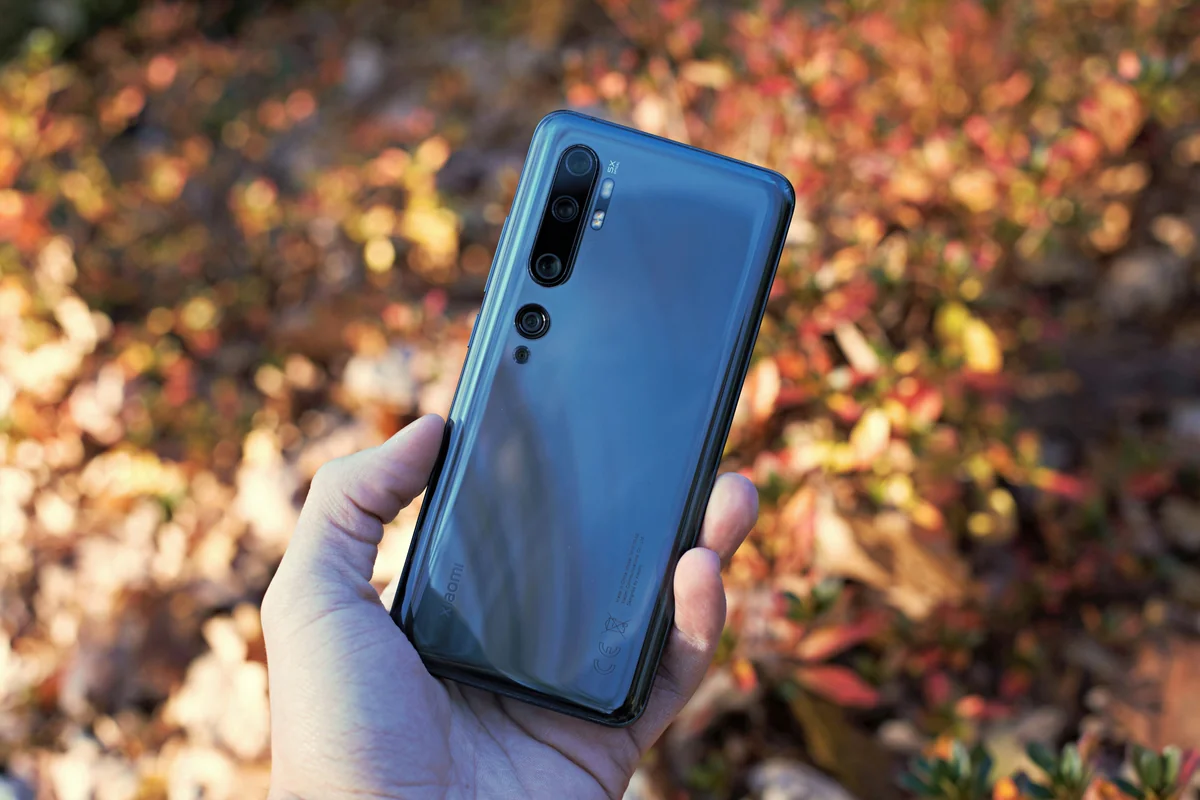
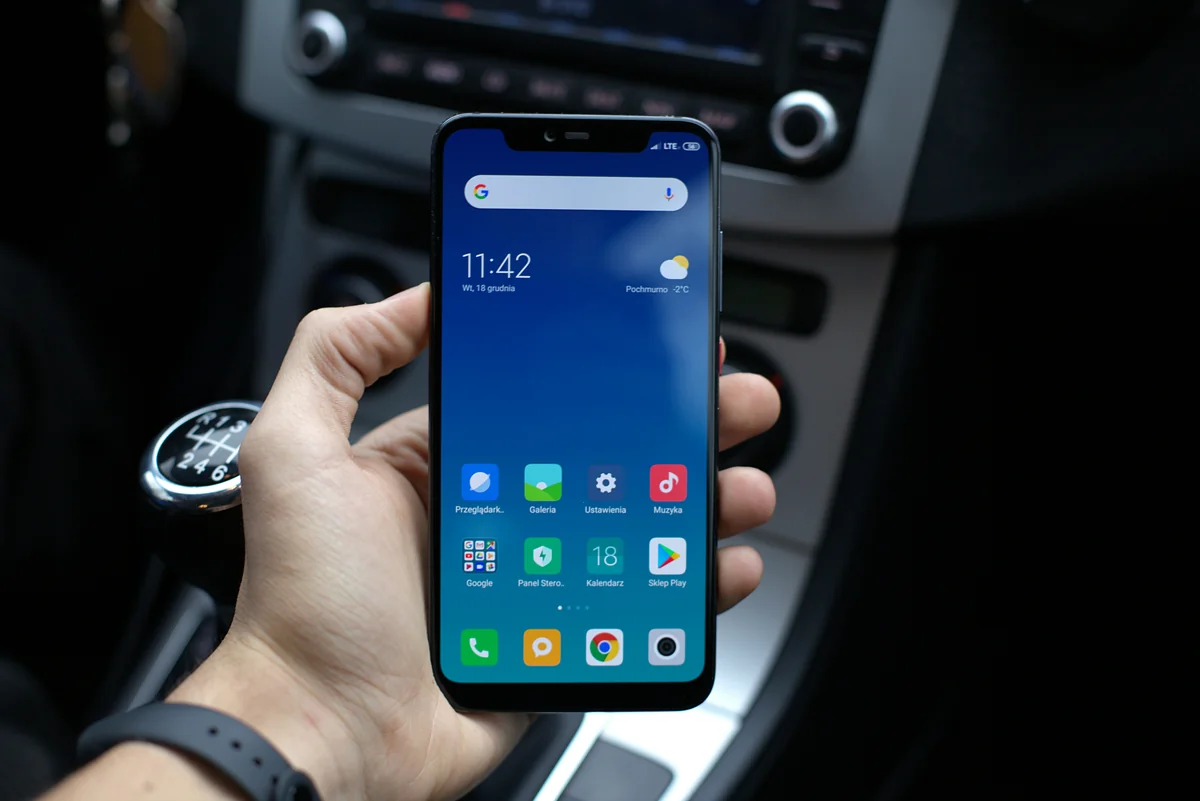
Xiaomi Mi 8 Pro - smartphone technology - box tv android
Photo by Mateusz Tworuszka on Unsplash

A they, commonly called an Android TV box, is a small streaming device that connects to your television and runs the Android operating system. Think of it as a smartphone or tablet — but designed specifically for your TV screen.

These compact devices plug into your TV’s HDMI port and transform it into a fully functional smart TV. You get access to thousands of apps, streaming services, games, and much more, all controlled through a simple remote or even your smartphone.

The the concept market has exploded over the past decade. Brands like NVIDIA Shield, Xiaomi Mi Box, Amazon Fire TV, and countless others have made these devices incredibly accessible, with price points ranging from $30 all the way up to $200 or more for premium models.

Key Components

Understanding what’s inside a the approach device helps you make smarter purchasing decisions. Here’s what matters most:

Processor (CPU):
– The brain of your device determines how smoothly everything runs
– Popular chips include Amlogic, Rockchip, and NVIDIA Tegra processors
– Higher-end processors handle 4K streaming and gaming without breaking a sweat
RAM (Memory):
– Most budget it devices come with 2GB of RAM
– Mid-range options offer 4GB, while premium devices can have 6-8GB
– More RAM means better multitasking and fewer app crashes
Storage:
– Internal storage ranges from 8GB to 64GB depending on the model
– Most this devices support external storage via USB or microSD cards
– Cloud storage can supplement internal limitations effectively
Connectivity:
– Wi-Fi (look for dual-band 2.4GHz and 5GHz support)
– Ethernet port for wired, more stable connections
– Bluetooth for wireless controllers, keyboards, and headphones
– Multiple USB ports for peripherals and additional storage
Operating System:
– Most run Android TV (Google’s official TV-optimized OS)
– Some run standard Android, which requires a different approach to navigation
– Regular software updates keep security and features current

How It Works

The mechanics of a these are surprisingly straightforward. Once you plug the device into your TV’s HDMI port and connect it to power, you’re essentially running a miniature computer on your television.

The device connects to your home internet — either via Wi-Fi or Ethernet — and gives you access to Google’s Play Store (on certified devices) or alternative app stores. From there, you download streaming apps like Netflix, Disney+, YouTube, Hulu, and hundreds more.

The Android operating system handles everything behind the scenes. It manages app permissions, handles network connections, and ensures that content is displayed correctly on your screen. Voice control through Google Assistant makes navigation even easier — you can search for content, control playback, and even check the weather without touching a remote.

Benefits of Box TV Android

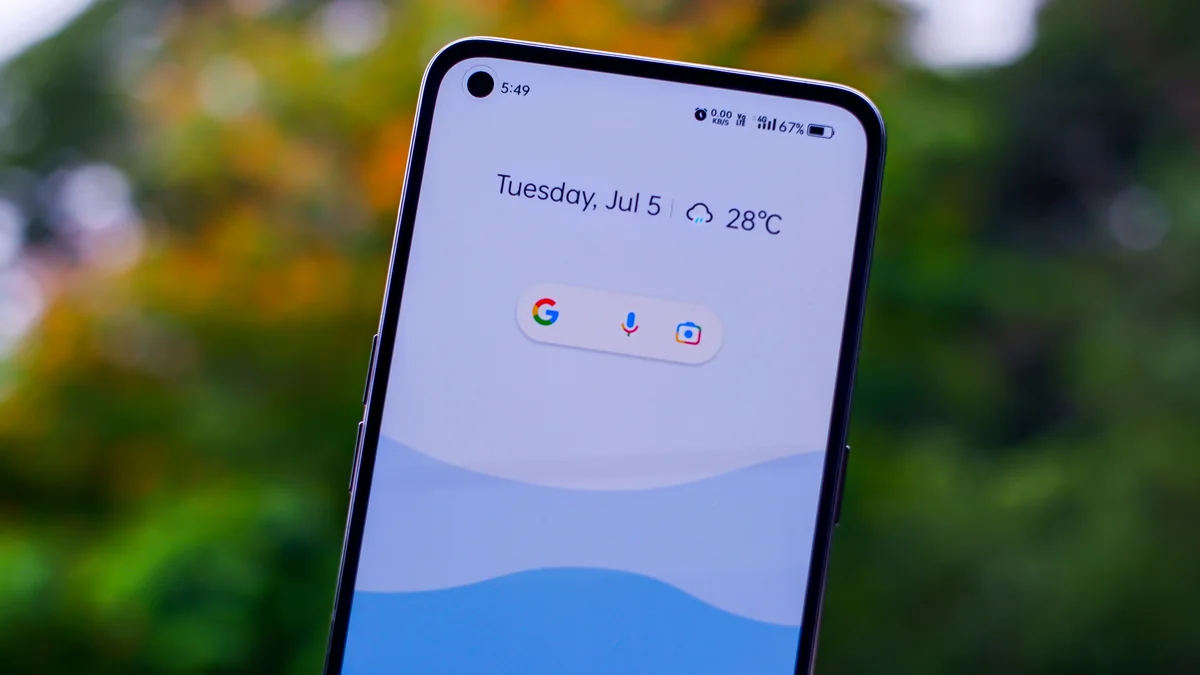
Realme gt master edition - smartphone technology - box tv android
Photo by Rajkamal rk on Unsplash

The advantages of owning a they device extend far beyond just watching your favorite shows. These little powerhouses offer genuine lifestyle improvements that become more apparent the longer you use them.

Cost Savings:
One of the biggest draws is the potential to cut or significantly reduce your cable bill. A one-time investment in a the concept device can save you hundreds of dollars annually when combined with affordable streaming subscriptions.
Content Access:
You get access to a virtually unlimited library of content. From mainstream services like Netflix and Prime Video to niche apps covering everything from foreign films to fitness classes, the variety is extraordinary.
Flexibility:
Unlike smart TVs that become outdated as technology advances, you can simply replace your the approach device every few years without buying a new television. This modularity saves significant money over time.
Customization:
Android’s open nature means you can personalize your experience extensively. Change launchers, install custom apps, and configure settings to match your exact preferences — something you can rarely do with built-in smart TV systems.

Practical Applications

The real-world uses of a it device are surprisingly diverse. Here are some ways people are using these devices beyond basic streaming:

  1. Home Office Integration: Connect your this to a large monitor and use productivity apps for presentations and video conferencing in meeting rooms.
  1. Gaming: Install game streaming services like Xbox Cloud Gaming or GeForce Now to play AAA titles on your TV without a dedicated gaming console.
  1. Digital Signage: Businesses use these devices to power digital menu boards, information displays, and advertising screens at a fraction of the cost of proprietary systems.
  1. Education: Parents use these devices to give children access to educational apps and controlled content environments during homework time.
  1. Fitness: Stream workout classes from platforms like Peloton Digital or YouTube fitness channels directly to your TV for a proper gym-like experience at home.
  1. Home Automation Hub: Advanced users connect their they device to smart home systems, using their TV as a central control interface for lights, thermostats, and security cameras.

Implementation Strategies

Getting the most out of your the concept device requires a thoughtful approach. Here’s how to move from unboxing to optimal performance efficiently.

Xiaomi Mi 8 Pro - smartphone technology - box tv android
Photo by Mateusz Tworuszka on Unsplash

Step 1: Choose the Right Device
Before purchasing, assess your needs honestly. A basic $40 device works perfectly for casual streaming in 1080p. If you want 4K HDR content, gaming capabilities, or Dolby Atmos audio, you’ll need to invest in a mid-range or premium the approach.
Step 2: Optimize Your Network
Your internet connection is the lifeline of your it experience. Aim for at least 25 Mbps for HD streaming and 50+ Mbps for 4K content. If possible, use an Ethernet connection rather than Wi-Fi to reduce buffering and improve stability.
Step 3: Set Up Properly
– Connect your HDMI cable before powering on the device
– Use the HDMI port that supports ARC (Audio Return Channel) if available
– Connect to your highest-quality audio system for the best sound experience
– Update the firmware immediately after first boot
Step 4: Configure Essential Settings
Navigate to the display settings and match your this’s output resolution to your TV’s native resolution. Enable HDR if both your device and TV support it. Adjust the HDMI color format settings for optimal picture quality.
Step 5: Install Your Apps
Prioritize the streaming services you actually use. Don’t install everything at once — this clutters your interface and drains storage. Start with your top five most-used services and add more gradually.
Step 6: Set Up a VPN (Optional but Recommended)
A VPN expands content availability and protects your privacy. Many these devices support VPN apps directly from the Play Store, making setup straightforward.

Getting Started

If you’re completely new to they devices, the learning curve is gentler than you might expect. Here’s your beginner’s quick-start checklist:

– ✅ Purchase a reputable brand — NVIDIA Shield, Xiaomi Mi Box S, or MECOOL are excellent starting points
– ✅ Check your TV’s HDMI ports — Ensure you have an available HDMI 2.0 or higher port for best results
– ✅ Have a Google account ready — You’ll need this to access the Play Store and Google services
– ✅ Measure your internet speed — Use Speedtest.net to confirm you have adequate bandwidth
– ✅ Prepare your streaming subscriptions — Have your login credentials ready for seamless setup
– ✅ Consider a wireless keyboard — Makes typing on your the concept much easier than using the on-screen keyboard

Expert Tips and Best Practices

Once you’ve got your the approach up and running, these advanced strategies will help you elevate your experience significantly.

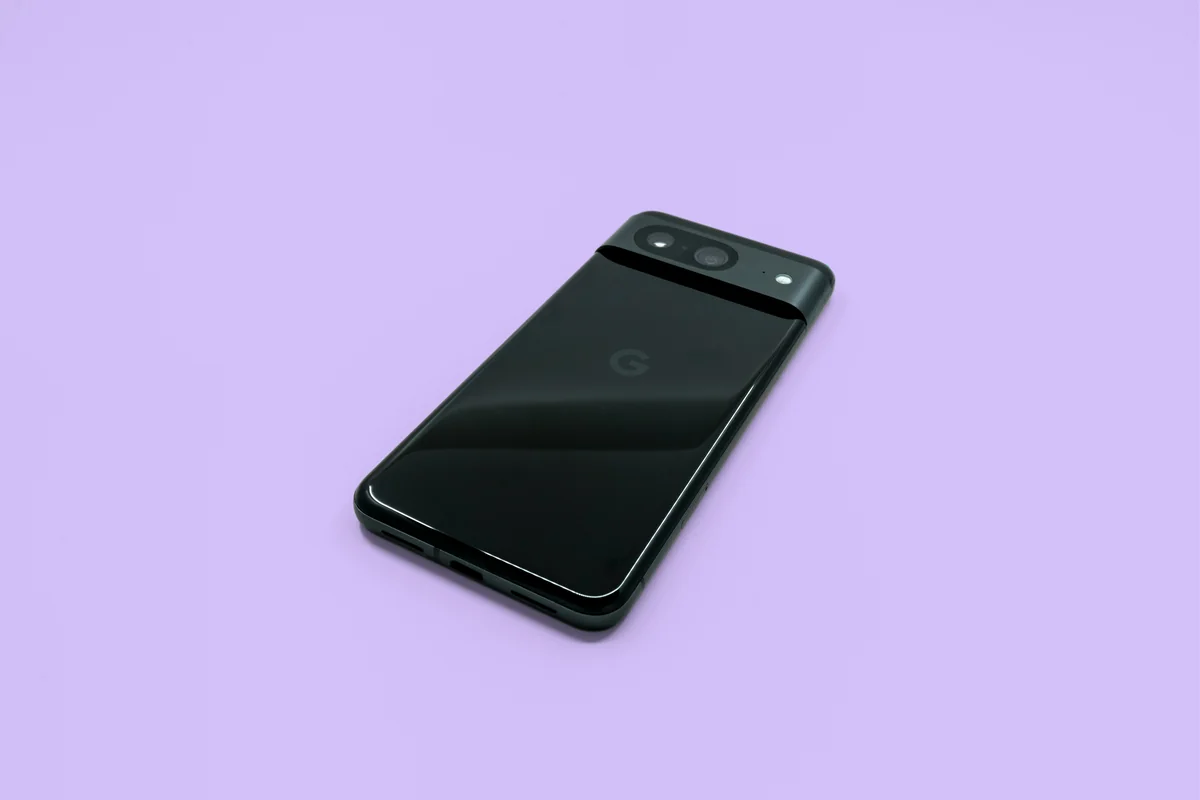
The google pixel 8, Google's latest innovation. With its elegant design, advanced features and cutting-edge technology, it redefines the smartphone experience. - smartphone technology - box tv android
Photo by Maxence Pira on Unsplash

Tip 1: Use a Dedicated Launcher
The default interface on many it devices can feel cluttered or unintuitive. Third-party launchers like Wolf Launcher, ATV Launcher Pro, or Plex’s built-in launcher offer cleaner, more customizable interfaces.
Tip 2: Enable Developer Options
For advanced users, enabling Developer Options in the settings menu unlocks powerful features. You can sideload apps, adjust animation speeds for snappier navigation, and fine-tune USB debugging for deeper customization.
Tip 3: Manage Your Storage Wisely
Clear the cache for apps regularly — especially streaming apps that accumulate temporary data. Go to Settings > Apps > [App Name] > Clear Cache monthly to keep your this running at peak performance.
Tip 4: Use a Universal Remote App
Instead of juggling multiple remotes, use apps like CetusPlay or AnyMote on your smartphone to control your these. These apps often offer voice control and macro functions that physical remotes can’t match.
Tip 5: Set Up Parental Controls
If children use your they, configure parental controls through the Google Family Link app or within individual streaming services. You can restrict app downloads and limit content ratings system-wide.
Common Mistakes to Avoid:

Buying an uncertified device: Non-Google certified the concept devices may not support Netflix HD, Disney+, or other major streaming services due to DRM restrictions. Always check certification status before purchasing.

Ignoring firmware updates: Skipping updates leaves your device vulnerable to security issues and misses performance improvements. Enable automatic updates whenever possible.

Overloading with apps: Too many installed apps slow down your device significantly. Keep only what you regularly use and uninstall the rest.

Poor remote placement: If your the approach uses an IR remote, ensure line-of-sight to the device. Bluetooth remotes are far more reliable and don’t require pointing.

Neglecting audio settings: Many users set up video perfectly but ignore audio configuration. Take time to configure your audio output to match your sound system — whether that’s stereo TV speakers, a soundbar, or a full surround sound setup.

The it landscape is evolving rapidly, and staying ahead of these trends helps you make smarter purchasing decisions.

Wi-Fi 6 and 6E Integration:

The google pixel 8, Google's latest innovation. With its elegant design, advanced features and cutting-edge technology, it redefines the smartphone experience. - smartphone technology - box tv android
Photo by Maxence Pira on Unsplash

Newer this devices are beginning to incorporate Wi-Fi 6 support, dramatically improving wireless streaming reliability and speed. As Wi-Fi 6 routers become mainstream, these devices will become significantly more capable.

8K Streaming Preparation:
While 8K content remains limited, manufacturers are already building 8K-ready these devices. The NVIDIA Shield Pro already supports 8K output, and this capability will trickle down to mid-range products within the next few years.
AI-Powered Content Discovery:
Artificial intelligence is transforming how box TV Android devices recommend content. Future devices will learn your viewing habits with increasing accuracy, building cross-platform recommendations that span all your streaming services simultaneously.
Cloud Gaming Expansion:
As 5G networks expand and cloud gaming services mature, box TV Android devices will become legitimate gaming platforms. Services like Xbox Cloud Gaming and NVIDIA GeForce Now are already impressive, and their quality will continue improving dramatically.
Matter Smart Home Integration:
The Matter smart home protocol is gaining traction, and future box TV Android devices will serve as central smart home hubs. Imagine controlling every connected device in your home directly from your TV interface.
Better Voice Control:
Google Assistant integration is already impressive, but future iterations will understand context better, handle multi-step commands naturally, and integrate with third-party services more seamlessly than current implementations.
Subscription Bundling:
Streaming platforms are increasingly partnering with hardware manufacturers to offer bundled deals. Expect more box TV Android purchases to come with free streaming subscriptions, similar to how Amazon bundles Prime Video with Fire TV devices.

Frequently Asked Questions

What is Box TV Android?

A box TV Android is a compact streaming device that runs the Android operating system and connects to your television via HDMI. It transforms any TV into a smart entertainment system, giving you access to streaming apps, games, and internet browsing. Popular examples include the NVIDIA Shield TV, Xiaomi Mi Box S, and MECOOL KM7.

How Do I Get Started with Box TV Android?

Getting started is simple. Purchase a box TV Android device that matches your budget and needs, then connect it to your TV’s HDMI port and plug in the power adapter. Follow the on-screen setup wizard, connect to your Wi-Fi network, sign in with your Google account, and install your preferred streaming apps from the Play Store. The entire process typically takes under 15 minutes.

What Are the Main Benefits?

The primary benefits include cost savings compared to cable TV, access to thousands of streaming services and apps, the ability to upgrade your TV’s capabilities without buying a new television, extensive customization options, and support for high-quality video formats including 4K HDR and Dolby Vision on premium models. Box TV Android devices also receive regular software updates that add new features over time.

How Long Does It Take to See Results?

You’ll notice immediate improvements from day one. Content access expands dramatically the moment you set up your device and install streaming apps. The cost savings take slightly longer to materialize — typically one to three months as you reduce or eliminate cable subscriptions. Performance improvements through optimization, like clearing cache and updating firmware, show results within minutes of implementation.

Is Box TV Android Worth Investing In?

Absolutely, for most households. Even a budget-friendly box TV Android device at $40-60 pays for itself within a month or two if you use it to replace or reduce a cable subscription. Premium devices like the NVIDIA Shield TV ($150-200) offer exceptional value if you want gaming capabilities, Dolby Atmos audio, and future-proof performance. The key is matching your investment level to your actual usage patterns and needs.

Conclusion

A box TV Android device represents one of the smartest value propositions in home entertainment today. For a relatively modest investment, you gain access to a world of content, significant monthly savings, and a future-proof platform that grows and improves through regular updates.

We’ve covered a lot of ground in this guide. Here are the key takeaways to remember:

black android smartphone on brown wooden table - smartphone technology - box tv android
Photo by Shubham Bombarde on Unsplash

Choose wisely: Match your device selection to your actual needs and budget
Optimize your network: A strong, stable internet connection is foundational to a great experience
Set it up properly: Take time during initial configuration to get display and audio settings right
Keep it maintained: Regular updates and cache clearing keep your device running smoothly
Explore beyond streaming: Gaming, fitness, education, and smart home control all benefit from box TV Android devices
Stay current with trends: Wi-Fi 6, cloud gaming, and AI recommendations will make these devices even more powerful

The technology continues improving at a remarkable pace, making now an excellent time to make the leap. Whether you’re a complete beginner or a tech enthusiast looking to optimize your current setup, a box TV Android device offers genuine value that’s hard to beat.

Ready to transform your home entertainment experience? Start by researching the models mentioned in this guide, check your current internet speeds, and take the first step toward cutting the cord. Your future self — and your wallet — will thank you for it.

Have questions about choosing the right box TV Android device for your home? Drop them in the comments below — we’d love to help you find the perfect fit!

Related Articles

Iptv nordic: 7 Best Ways to Maximize Your Streaming - iptv nordic

iptv nordic: 7 Best Ways to Maximize Your Streaming

Introduction

Are you tired of paying sky-high cable bills while still missing out on your favorite Nordic channels? Whether you live in Scandinavia or you’re a Nordic expat living abroad, finding reliable, high-quality streaming solutions can feel like navigating a labyrinth.

That’s where it comes in. This technology has completely transformed how millions of viewers across Sweden, Norway, Denmark, Finland, and Iceland consume television content.

In this comprehensive guide, we’ll walk you through everything you need to know about this — from understanding the basics to implementing expert strategies that will enhance your viewing experience. By the end of this article, you’ll have a clear roadmap to getting the most out of your streaming setup.

Understanding iptv nordic

Panoramic aerial view of Tromsø, Norway, showcasing snow-capped mountains and the iconic Arctic Cathedral. - iptv nordic
Photo by Efrem Efre on Pexels

IPTV stands for Internet Protocol Television, a system that delivers television content over the internet rather than through traditional satellite or cable infrastructure. When we talk about these, we’re referring specifically to IPTV services tailored to deliver Nordic and Scandinavian content.

This includes channels, shows, sports events, and on-demand libraries from countries like Sweden, Norway, Denmark, Finland, and Iceland. It’s a game-changer for anyone who wants access to regional programming without being physically present in those countries.

The they market has grown exponentially over the past decade. With faster broadband speeds, improved compression technology, and an increasing appetite for on-demand content, Nordic IPTV has become one of the most in-demand regional streaming solutions in Europe.

Key Components

Understanding the building blocks of the concept helps you make better decisions when choosing a service or troubleshooting issues. Here are the core components:

Content Delivery Network (CDN): The backbone of any the approach service. CDNs distribute content across multiple servers to ensure fast, reliable streaming regardless of your location.

Set-Top Box or App: This is the interface through which you access your it service. Options include dedicated hardware boxes, smart TV apps, smartphones, tablets, and even web browsers.

M3U Playlist: A standard file format used in IPTV services that contains links to live channels and video-on-demand content. Most this providers supply this file upon subscription.

EPG (Electronic Program Guide): Just like a traditional TV guide, the EPG shows you what’s currently playing and what’s coming up next on each channel. Quality these providers include an accurate EPG for all channels.

Middleware: The software layer that connects the content delivery system to the end user’s device. Good middleware ensures a smooth, glitch-free experience.

Streaming Protocol: Most modern they services use protocols like HLS (HTTP Live Streaming), MPEG-DASH, or RTMP to deliver content efficiently.

Each of these components plays a crucial role in the overall quality of your the concept experience. When one element is weak, it affects the entire chain.

How It Works

The mechanics of the approach are simpler than you might think. When you subscribe to a service, you receive login credentials and typically an M3U link or a dedicated app.

Your device connects to the provider’s servers and requests the channel stream you want to watch. The server processes the request and delivers the video data in small packets over your internet connection.

Your device then reassembles these packets and plays the video in real time. This process happens in milliseconds, which is why a good internet connection — ideally at least 25 Mbps for HD and 50 Mbps for 4K — is essential for a seamless it experience.

Benefits of iptv nordic

Stunning aerial view of Tromsø at night. Illuminated cityscape with harbor and mountains, captured in vibrant colors. - iptv nordic
Photo by Felix Rottmann on Pexels

The advantages of switching to this are both immediate and long-lasting. Let’s break down why so many viewers are making the transition.

Cost Savings: Traditional cable or satellite packages in Nordic countries can cost anywhere from $50 to $150 per month. A quality these subscription, by comparison, often ranges from $10 to $30 per month, giving you access to hundreds of channels at a fraction of the cost.
Access to Regional Content: If you’re a Nordic expat living in the UK, USA, Australia, or anywhere else in the world, they gives you access to home-country content that would otherwise be geo-blocked. Watch SVT, NRK, DR, or YLE as if you were sitting in your living room back home.
Flexibility and Convenience: Unlike traditional TV, the concept lets you watch content on multiple devices simultaneously. You can watch a Swedish drama on your smart TV while your partner streams a Norwegian sports match on their tablet.
No Long-Term Contracts: Most the approach providers offer monthly subscriptions with no binding contracts. This flexibility means you can try different services without financial risk.
HD and 4K Quality: Modern it services offer stunning picture quality. Many channels are available in Full HD (1080p), and an increasing number of providers are rolling out 4K Ultra HD streams for premium subscribers.

Practical Applications

The real-world applications of this span several user groups and scenarios:

  1. Nordic Expats: Access hometown news, sports, and entertainment from anywhere in the world. Follow your favorite Allsvenskan football team or watch the latest Scandinavian crime drama as it airs.
  1. Language Learners: Immersing yourself in native-language content is one of the most effective ways to learn Swedish, Norwegian, Danish, or Finnish. Iptv nordic provides an authentic linguistic environment.
  1. Travelers: Business travelers or tourists who spend extended periods in Nordic countries benefit from familiar content without needing to purchase local cable packages.
  1. Students: Nordic students studying abroad can stay connected to home culture and current events through these without breaking their budget.
  1. Hospitality Industry: Hotels, restaurants, and sports bars catering to Nordic tourists or expats use they solutions to provide relevant entertainment for their clientele.

Implementation Strategies

Getting set up with the concept doesn’t have to be complicated. With the right approach, you can be streaming your favorite Nordic content within minutes. Here’s a structured strategy to get the most out of your setup.

Breathtaking view of Nordland's rugged peaks and tranquil waters at sunset. - iptv nordic
Photo by stein egil liland on Pexels

Step 1 — Assess Your Internet Connection
Before subscribing to any the approach service, check your internet speed using a tool like Speedtest.net. You need at least 15 Mbps for stable HD streaming. If your connection is slower, address that first.
Step 2 — Choose the Right Device
Select the device that best suits your lifestyle:
Amazon Fire Stick — Affordable, widely compatible, easy to set up
Android TV Box — More processing power for demanding streams
Smart TV (Samsung, LG, Sony) — No additional hardware needed if your TV supports IPTV apps
Smartphone or Tablet — Perfect for on-the-go viewing
Step 3 — Research Providers Carefully
The it market has both legitimate operators and unreliable gray-market services. Look for providers that offer:
– A free trial period
– Responsive customer support
– Clear channel lists including Nordic-specific channels
– Positive reviews on independent platforms
Step 4 — Install the Necessary App
Most this services recommend a player app. Popular options include TiviMate, IPTV Smarters Pro, and GSE Smart IPTV. These apps are compatible with most platforms and offer excellent EPG integration.
Step 5 — Configure Your EPG
A well-configured EPG makes the these experience feel just like traditional television. Most providers supply an XMLTV URL that you can paste directly into your player app’s settings.
Step 6 — Optimize Your Network
Use a wired Ethernet connection rather than Wi-Fi whenever possible. If Wi-Fi is your only option, position your router closer to your streaming device and consider upgrading to Wi-Fi 6 for better performance.
Step 7 — Use a VPN (When Appropriate)
A VPN can be useful for they users living abroad who want to ensure stable access. Choose a provider with servers in Nordic countries for the best routing. NordVPN, ExpressVPN, and Surfshark all have solid Nordic server infrastructure.

Getting Started

If you’re brand new to the concept, don’t feel overwhelmed. Start simple and build from there.

Your first task is to identify which specific channels matter most to you. Make a list of the Nordic channels you can’t live without — whether it’s SVT1, TV2 Norway, DR1, Yle TV1, or RÚV.

Next, find a provider that explicitly lists those channels. Sign up for a free trial if available, test the stream quality during peak hours (evenings in Scandinavia), and assess the stability before committing to a subscription.

Expert Tips and Best Practices

Once you’ve got the basics down, these expert strategies will take your the approach experience to the next level.

A breathtaking aerial view of Ålesund, Norway, showcasing its vibrant harbor and surrounding landscapes. - iptv nordic
Photo by Ramon Perucho on Pexels

Tip 1 — Always Test During Peak Hours
Stream quality can vary significantly between off-peak and peak hours. Always test your it provider’s performance between 7–10 PM Central European Time, when Nordic viewership is at its highest.
Tip 2 — Keep Your App and Firmware Updated
Outdated apps and device firmware can cause buffering, crashes, and compatibility issues. Set your devices to auto-update and check your this app for updates regularly.
Tip 3 — Use a Dedicated Streaming Device
Don’t stream these on a device you’re also using for heavy gaming, video editing, or other resource-intensive tasks. A dedicated streaming device ensures consistent performance.
Tip 4 — Back Up Your M3U Playlist
If your provider ever experiences downtime, having a backed-up M3U playlist can be a lifesaver. Save a copy in cloud storage so you can access it from any device.
Tip 5 — Leverage VOD Libraries
Many they services include extensive video-on-demand libraries. Don’t just focus on live channels — explore the catch-up and VOD sections for classic Nordic films, documentaries, and series you might have missed.
Common Mistakes to Avoid:

Choosing the cheapest option without research: A $3/month the concept service is almost certainly unreliable. Quality costs money — aim for the sweet spot between price and performance.

Ignoring customer support quality: You will encounter technical issues at some point. Choose a provider with 24/7 support via live chat or ticket system.

Overloading simultaneous streams: If your subscription allows two simultaneous streams but five people in your household are trying to connect, you’ll experience degraded performance for everyone.

Neglecting your router: An old or overloaded router is often the culprit behind buffering issues. Investing in a modern dual-band or tri-band router can transform your the approach experience.

Not using a VPN when needed: If you’re in a country where content restrictions are strict, skipping a VPN can result in sudden service interruptions.

The it landscape is evolving rapidly. Here’s what the near and medium-term future looks like for this exciting technology.

4K and 8K Streaming

Scenic view of Tromsø Bridge with snowy mountains and calm waters, capturing winter in northern Norway. - iptv nordic
Photo by Efrem Efre on Pexels

As broadband infrastructure improves across Scandinavia and beyond, more this providers will transition to 4K Ultra HD as the standard offering rather than a premium add-on. Early adopters of 4K-capable devices will be well-positioned to enjoy this upgrade.

AI-Powered Personalization
Machine learning is beginning to influence how these platforms curate content for individual users. Expect recommendation engines similar to Netflix to become standard features, helping you discover Nordic content you never knew you’d love.
Hybrid IPTV Systems
Traditional broadcasters like SVT, NRK, and DR are increasingly investing in hybrid systems that combine traditional broadcast signals with IPTV delivery. This convergence will offer viewers the best of both worlds — reliability and flexibility.
5G Integration
The rollout of 5G networks is set to dramatically improve mobile they streaming. Watching high-quality Nordic content on the go, even in areas with poor fixed-line broadband, will become increasingly seamless.
Interactive and Live Commerce Features
Some the concept platforms are experimenting with interactive features, allowing viewers to purchase products shown in programming, vote in live polls, or access bonus content during live events.
Sustainability Focus
Nordic countries are global leaders in sustainability, and this ethos is beginning to influence the approach infrastructure. More providers are moving toward green data centers powered by renewable energy — an important consideration for environmentally conscious consumers.
Consolidation in the Market
As the iptv nordic market matures, expect consolidation. Smaller providers will either be acquired by larger players or exit the market, resulting in fewer but more reliable and feature-rich services.

Frequently Asked Questions

What is iptv nordic?

IPTV Nordic refers to Internet Protocol Television services specifically designed to deliver Scandinavian and Nordic television content — including live channels, sports events, news, and on-demand programming from countries like Sweden, Norway, Denmark, Finland, and Iceland — over an internet connection rather than through traditional cable or satellite systems.

How do I get started with iptv nordic?

Getting started is straightforward. First, ensure your internet connection is at least 15–25 Mbps. Then choose a reputable iptv nordic provider that offers a free trial, download a compatible player app like TiviMate or IPTV Smarters Pro, enter your subscription credentials, and start streaming. Most users are up and running within 15–30 minutes.

What are the main benefits?

The main benefits of iptv nordic include significant cost savings compared to traditional cable, access to Nordic content from anywhere in the world, flexibility to watch on multiple devices, no long-term contracts, and high-definition or even 4K streaming quality. For expats and language learners, the ability to access authentic Nordic programming is particularly valuable.

How long does it take to see results?

Results are immediate. Once you subscribe and configure your iptv nordic service, you can start streaming right away. The “results” in terms of cost savings and content access are visible from your very first session. For language learners using iptv nordic as an immersion tool, noticeable progress typically appears after consistent daily exposure over several weeks.

Is iptv nordic worth investing in?

For anyone with a genuine interest in Nordic content — whether you’re an expat, a language learner, a sports fan following Scandinavian leagues, or simply a lover of Nordic cinema and television — iptv nordic is absolutely worth the investment. The cost is a fraction of traditional cable, the content library is vast, and the flexibility is unmatched. Choose a reputable provider, set up your system correctly, and you’ll wonder how you ever managed without it.

Conclusion

IPTV Nordic has fundamentally changed the way people across the globe access Scandinavian content. Whether you’re a Swedish expat in New York, a language enthusiast learning Norwegian, or simply a fan of world-class Nordic dramas and documentaries, iptv nordic offers an accessible, affordable, and high-quality solution.

Let’s recap the key takeaways from this guide:

Explore Gothenburg Central Station's stunning architecture in the heart of Sweden. - iptv nordic
Photo by Efrem Efre on Pexels

Understand the technology — IPTV delivers content via internet protocols, offering flexibility traditional broadcasting cannot match.
Choose wisely — Not all iptv nordic providers are equal. Research, test during free trials, and prioritize reliability.
Optimize your setup — A fast internet connection, a dedicated streaming device, and a quality player app make all the difference.
Use expert strategies — Test during peak hours, keep software updated, leverage VOD libraries, and don’t skip on proper network configuration.
Look ahead — 4K streaming, AI personalization, and 5G integration are all on the horizon, making now a great time to invest in a quality iptv nordic setup.

The journey to exceptional Nordic streaming starts with a single step. Take that step today — research your options, sign up for a free trial, and experience the best of Scandinavian television from anywhere in the world.

Your favorite Nordic content is waiting. Don’t let geography stand in the way.

Related Articles

IPTV List: 10 Best Sources and Setup Strategies - iptv list

IPTV List: 10 Best Sources and Setup Strategies

Introduction

Imagine having access to thousands of TV channels, movies, and live sports streams all in one place — without paying for multiple cable subscriptions. That dream is exactly what a well-curated it can deliver to modern viewers worldwide.

Whether you’re cutting the cord for the first time or looking to upgrade your streaming setup, understanding how an these works is essential. This article covers everything from the basics of what an this is, to how to find reliable sources, set them up correctly, and get the most out of your viewing experience.

By the end of this guide, you’ll have a complete roadmap for navigating the world of IPTV with confidence, clarity, and the right tools in hand. Let’s dive in.

Understanding IPTV List

rectangle, box, list, lines, grocery list, sketch, dashed, hatching, hatched, texture, strokes, structure, list, list, list, list, list - iptv list
Photo by geralt on Pixabay

IPTV stands for Internet Protocol Television — a method of delivering television content over the internet rather than through traditional satellite or cable signals. An they is essentially a file (most commonly in M3U or M3U8 format) that contains a collection of channel links organized for streaming.

Think of it like a playlist for your TV. Instead of music tracks, the list contains URLs that point to live TV feeds, video-on-demand content, or recorded shows hosted on remote servers.

The popularity of the concepts has exploded in recent years. With broadband internet becoming more affordable and widespread, millions of viewers are ditching conventional cable TV in favor of flexible, internet-based alternatives.

Key Components

Understanding the structure of an the approach helps you use it more effectively. Here are the core elements:

M3U File Format: The most common file type for an it. It’s a plain text file containing channel names and streaming URLs, readable by most media players.
Channel Categories: A well-organized this groups channels by type — news, sports, entertainment, kids, international, and more.
Stream URLs: Each channel entry includes a direct link to the video stream, often using HTTP, HTTPS, or RTSP protocols.
EPG (Electronic Program Guide): Some advanced theses include EPG data, which adds a TV guide overlay so you can see what’s currently airing and what’s coming up next.
Codec Information: Quality theys also specify the video codec used (H.264, H.265/HEVC), which affects playback compatibility and streaming quality.

Here’s a simplified example of what a single channel entry looks like inside an M3U the concept file:

“`
#EXTINF:-1 tvg-id=”ESPN” tvg-name=”ESPN” group-title=”Sports”,ESPN
http://streamserver.example.com:8080/live/username/password/12345
“`

Each line pair represents one channel — the metadata line starting with `#EXTINF` and the actual stream URL below it.

How It Works

When you load an the approach into a compatible app or media player, the software reads each URL in the file and attempts to connect to the corresponding stream server. The server then sends video data to your device in real-time.

The process works like this:

  1. You obtain an M3U it file (from a provider or free source).
  2. You import the file into an IPTV player like VLC, Kodi, TiviMate, or IPTV Smarters.
  3. The app parses the list and displays channels in an organized interface.
  4. You select a channel, the app sends a request to the stream server, and playback begins.

Your connection quality plays a major role here. A minimum of 10 Mbps internet speed is recommended for standard definition, while HD and 4K streams may require 25–50 Mbps or more for smooth, buffer-free viewing.

Benefits of IPTV List

rectangle, list, lines, grocery list, box, sketch, dashed, hatching, hatched, texture, strokes, structure, list, list, list, list, list - iptv list
Photo by geralt on Pixabay

The advantages of using an this go well beyond just saving money on cable bills. Let’s explore both the immediate and long-term benefits.

Cost Savings: Traditional cable packages often cost $80–$150 per month. A premium IPTV subscription with a comprehensive these typically runs $10–$30 per month — sometimes even less.
Access to Global Content: A quality they can include thousands of channels from dozens of countries. Whether you want Arabic news, Korean dramas, Brazilian football, or UK soaps, it’s all potentially available in a single list.
Flexibility and Portability: Unlike cable TV, which ties you to a physical location, an the concept works on virtually any internet-connected device. Smart TVs, smartphones, tablets, laptops, Amazon Fire Sticks, and Raspberry Pi setups can all run IPTV apps.
On-Demand Content: Many the approachs include VOD (Video on Demand) sections with thousands of movies and TV series available to watch at any time — similar to Netflix but often at a fraction of the cost.
No Long-Term Contracts: Most IPTV services offer monthly or annual plans without binding contracts. If a service isn’t meeting your expectations, switching to another provider with a new it is straightforward.

Practical Applications

Here’s how different types of users benefit from an this in real-world scenarios:

Sports Fans: A sports enthusiast can access live Premier League, NFL, UFC, NBA, and Formula 1 streams that might otherwise require multiple expensive sports packages.
Expats and Immigrants: Someone living abroad can use an these to access their home country’s news and entertainment channels, staying connected to their culture.
Budget-Conscious Families: A family can replace three or four streaming subscriptions with a single comprehensive IPTV service, reducing monthly entertainment costs significantly.
Tech Enthusiasts: Hobbyists enjoy building custom IPTV setups using Raspberry Pi devices, Plex servers, or Kodi builds loaded with carefully curated they files.
Small Business Owners: Restaurants, bars, and waiting rooms can use IPTV to display diverse content for customers without expensive commercial TV licensing in some regions.

Implementation Strategies

Getting started with an the concept doesn’t have to be overwhelming. Here’s a clear, step-by-step strategy to implement IPTV successfully.

shopping venture, shopping, purchasing, sweets, shopping cart, trolley, grocery list, food, list, shopping trolleys, supermarket, transport, shopping basket, bikes, metal, business, shopping cart, shopping cart, shopping cart, shopping cart, shopping cart, trolley - iptv list
Photo by Alexas_Fotos on Pixabay

Step 1 — Choose Your Device
Select the device you’ll primarily use for IPTV. Amazon Fire TV Stick and Android TV boxes are among the most popular choices due to their affordability and app flexibility.
Step 2 — Select an IPTV Player
Install a reliable IPTV player that can read M3U the approach files. Top options include:

TiviMate (Android, highly recommended for its clean interface)
IPTV Smarters Pro (multi-platform, user-friendly)
VLC Media Player (free, open-source, works on almost everything)
Kodi with PVR IPTV Simple Client (highly customizable)
GSE Smart IPTV (excellent for iOS/Apple TV users)

Step 3 — Find a Reliable IPTV List
This is the most critical step. You have two main options:

  1. Paid IPTV Services: Subscribe to a reputable IPTV provider who gives you a dedicated it (M3U URL or file). Paid lists typically offer better reliability, more channels, and customer support.
  2. Free theses: Several websites and GitHub repositories offer free M3U this files. Quality varies significantly — free lists often include dead links, lower reliability, and frequent outages.

Step 4 — Import the IPTV List
Once you have your M3U file or URL, import it into your chosen player. In most apps, this involves going to “Add Playlist,” pasting the URL or selecting the file, and waiting for the app to load all channels.
Step 5 — Set Up EPG (Optional but Recommended)
Adding an Electronic Program Guide gives your they a professional TV-guide feel. Many IPTV providers supply EPG URLs alongside the M3U list. Enter this in your app’s EPG settings for the best experience.
Step 6 — Test and Troubleshoot
After loading your the concept, test multiple channels across different categories. Note any that buffer or fail to load, and consider those as indicators of overall service quality.

Getting Started

For complete beginners, here’s the simplest possible path to your first working the approach setup:

  1. Purchase an Amazon Fire TV Stick 4K (or use an existing smart TV).
  2. Install IPTV Smarters Pro from the app store (available via sideloading on Fire Stick).
  3. Sign up for a trial with a reputable IPTV provider (many offer 24–48 hour free trials).
  4. Enter your M3U URL in the app and start streaming.

The entire process can take less than 30 minutes, even for non-technical users.

Expert Tips and Best Practices

Once you’ve got the basics down, these advanced strategies will help you get the most out of your it experience.

todo-lists, tasks, tasks list, list, task, coach, project, success, office, to do, project management, checklist, consulting, list, project management, checklist, checklist, checklist, checklist, checklist - iptv list
Photo by viarami on Pixabay

Tip 1 — Always Test Before Committing
Never pay for a full annual IPTV subscription without testing first. Reputable providers offer short trials. Use them to test channel quality, buffering rates, and server uptime.
Tip 2 — Use a VPN
A Virtual Private Network (VPN) serves two purposes for IPTV users. First, it protects your privacy by masking your streaming activity. Second, it can help bypass geo-restrictions that block certain streams in your region. Services like ExpressVPN, NordVPN, and Surfshark work well with IPTV.
Tip 3 — Keep Your IPTV List Updated
Stream URLs can expire or change. If channels suddenly stop working, request an updated this from your provider. Many good providers automatically refresh their M3U URLs to minimize downtime.
Tip 4 — Organize Your Channel List
Most IPTV apps allow you to create favorites lists or hide channels you never watch. Take 15–20 minutes to organize your these into personal categories for a much better daily viewing experience.
Tip 5 — Monitor Your Internet Speed
IPTV performance is directly tied to your connection. Run a speed test before troubleshooting buffering issues. If your speed is fine but buffering persists, the problem likely lies with the they provider’s server capacity.
Tip 6 — Use Wired Connections When Possible
For the best IPTV experience, connect your streaming device directly to your router via ethernet cable. This eliminates Wi-Fi interference and results in more stable, higher-quality streams.
Tip 7 — Back Up Your Lists
Save copies of your working M3U the concept files to cloud storage. If a service goes down or you change devices, having a backup makes recovery quick and easy.

Common Mistakes to Avoid

Using only free lists: Free the approach sources are notoriously unreliable. They often contain mostly dead links and become outdated within days.
Ignoring legal considerations: Be aware of the legal status of IPTV in your country. Using an it that redistributes copyrighted content without authorization may violate copyright laws in certain jurisdictions.
Overloading Kodi with plugins: Adding too many IPTV addons to Kodi can cause slowdowns and conflicts. Stick to one or two reliable plugins.
Not securing your network: Streaming large amounts of data through unsecured connections exposes you to privacy risks. Always use a VPN or at minimum a secure, password-protected Wi-Fi network.

The world of IPTV is evolving rapidly. Several exciting trends are reshaping how this technology develops and how users interact with it.

4K and 8K Streaming

circle, ring, round, list, lines, grocery list, box, sketch, dashed, hatching, hatched, texture, strokes, structure, list, list, list, list, list - iptv list
Photo by geralt on Pixabay

As internet speeds increase globally and more content is produced in ultra-high definition, these providers are increasingly offering 4K streams. Expect 8K IPTV channels to become more common by 2026–2027.

AI-Powered Content Curation
Artificial intelligence is beginning to influence how they interfaces work. Some newer IPTV platforms use AI to recommend channels and content based on your viewing history — similar to how Netflix or YouTube algorithms operate.
HEVC/H.265 Dominance
The H.265 codec compresses video more efficiently than H.264, meaning higher quality at lower bandwidth. More the concept providers are transitioning to H.265 streams, reducing buffering for users with moderate internet speeds.
Integration with Smart Home Ecosystems
IPTV apps are becoming more tightly integrated with voice assistants like Amazon Alexa and Google Assistant. Controlling your the approach with voice commands is already possible on some platforms and will become standard practice.
Multi-Device Streaming
Future IPTV services will offer more sophisticated multi-screen options, allowing a single it subscription to support simultaneous streaming on multiple devices with individual user profiles.
Blockchain-Based IPTV
Some developers are exploring decentralized, blockchain-based IPTV distribution models. These systems could create more resilient this delivery networks that are harder to shut down and more resistant to censorship.

Frequently Asked Questions

What is IPTV List?

An iptv list is a file — typically in M3U or M3U8 format — containing a collection of channel names and their corresponding streaming URLs. When loaded into an IPTV media player, this list allows you to browse and watch television channels, live sports, movies, and other video content delivered via the internet rather than traditional broadcast methods.

How Do I Get Started with IPTV List?

Getting started is straightforward. Choose a compatible device (smart TV, Fire Stick, Android box, smartphone), install an IPTV player app (TiviMate, IPTV Smarters, VLC), and obtain an M3U iptv list file from a provider. Import the list into your app, and you’ll have access to all included channels within minutes.

What Are the Main Benefits?

The main benefits of using an iptv list include significant cost savings compared to cable TV, access to thousands of channels from around the world, flexibility to watch on any device, no long-term contracts, and the ability to access both live and on-demand content from a single subscription.

How Long Does It Take to See Results?

Setup can be completed in under 30 minutes for most users. Once your iptv list is loaded into your player, results are immediate — you can start watching channels right away. Finding the optimal combination of provider, app, and settings may take a week or two of experimentation.

Is IPTV List Worth Investing In?

For most cord-cutters and streaming enthusiasts, yes — an iptv list is absolutely worth investing in. A premium service typically costs $10–$30 per month and can replace multiple cable channels and streaming services that collectively might cost $100–$200 monthly. Just ensure you choose a reliable provider and understand the legal framework in your region before committing.

Conclusion

The iptv list represents one of the most powerful and flexible tools available to modern TV viewers. From its simple M3U file structure to its ability to deliver thousands of channels worldwide, it has fundamentally changed how people consume television content.

Here are the key takeaways from this guide:

shopping venture, shopping, purchasing, sweets, shopping cart, trolley, grocery list, food, list, shopping trolleys, supermarket, transport, shopping basket, bikes, metal, business, shopping, shopping cart, shopping cart, shopping cart, shopping cart, shopping cart, trolley, supermarket, supermarket - iptv list
Photo by Alexas_Fotos on Pixabay

– An iptv list is an M3U file containing channel names and streaming URLs
– Paid services offer more reliable, higher-quality iptv lists than free alternatives
– The right IPTV player (TiviMate, IPTV Smarters, VLC) makes a huge difference in usability
– A VPN adds privacy and can improve access to geo-restricted content
– Always test with a trial before committing to a long-term subscription
– Future developments like 4K streaming and AI curation are making IPTV even more powerful

The best time to start exploring the world of IPTV is right now. Prices are low, app quality is higher than ever, and the variety of content available through a well-curated iptv list is genuinely remarkable.

Take the first step today — choose a device, pick a player, and sign up for a free trial from a reputable provider. Your cord-cutting journey begins with a single M3U file, and the entertainment possibilities from there are virtually limitless.

Related Articles

IPTV Netherlands: 7 Best Services and Setup Secrets - iptv netherlands

IPTV Netherlands: 7 Best Services and Setup Secrets

Introduction

Imagine having access to thousands of TV channels, on-demand movies, and live sports — all streaming directly to your device without a traditional cable subscription. That’s exactly what it has made possible for millions of viewers across the Dutch landscape and beyond.

Whether you’re an expat living in the Netherlands craving content from back home, a Dutch resident tired of paying sky-high cable bills, or simply someone curious about cutting-edge streaming technology, this guide is for you.

In this comprehensive article, we’ll explore everything you need to know about this — from understanding how the technology works to finding the best providers, setting up your service, and staying safe while streaming. By the end, you’ll have all the tools you need to make an informed decision and start enjoying a superior TV experience.

Understanding IPTV Netherlands

Traditional Dutch houses reflecting in a canal in Volendam, North Holland, Netherlands. - iptv netherlands
Photo by Thomas balabaud on Pexels

IPTV, or Internet Protocol Television, delivers television content over the internet rather than through traditional satellite or cable signals. In the Netherlands, IPTV has grown dramatically in popularity over the past decade, transforming how Dutch households consume media.

Unlike conventional broadcasting, these services transmit video content in small data packets over your broadband connection. This makes it far more flexible, interactive, and customizable than anything traditional TV providers can offer.

The Netherlands is particularly well-suited for IPTV adoption because of its outstanding internet infrastructure. The country consistently ranks among the top in Europe for internet speed and connectivity, making high-definition and even 4K streaming a seamless experience for most users.

Key Components

Understanding they requires familiarity with its core building blocks:

1. The IPTV Server
This is the backbone of any IPTV service. Providers host massive servers that store and stream thousands of channels and on-demand content. The quality of the server directly determines your streaming reliability and picture quality.
2. The M3U Playlist or API
Most the concept services deliver content through an M3U playlist — essentially a file containing links to all available channels. Some newer providers use proprietary apps with built-in APIs for a more polished experience.
3. The IPTV Player or App
To watch IPTV content, you need a compatible media player. Popular options include:
IPTV Smarters Pro
TiviMate
VLC Media Player
Kodi
GSE Smart IPTV
4. A Stable Internet Connection
For standard definition streaming, you need at least 10 Mbps. For HD content, 25 Mbps is recommended, and for 4K streaming, you’ll want 50 Mbps or more.
5. Compatible Devices
IPTV Netherlands services work across a wide range of devices including Smart TVs, Android TV boxes, Amazon Fire Stick, smartphones, tablets, PCs, and MAG boxes.

How It Works

The process behind the approach is elegantly simple once you break it down. When you select a channel or movie, your device sends a request to the IPTV server. The server then streams that specific content directly to your device in real time.

This is fundamentally different from downloading a file — IPTV uses a process called “unicast streaming” for on-demand content and “multicast streaming” for live TV. The result is near-instantaneous playback with minimal buffering when you have a solid internet connection.

Here’s a simplified step-by-step breakdown of what happens:

  1. You open your IPTV app and select a channel
  2. Your device sends a request to the provider’s server
  3. The server authenticates your subscription
  4. Content is streamed in compressed packets to your device
  5. Your player decodes and displays the video in real time

Benefits of IPTV Netherlands

A vibrant night scene of Amsterdam's canal with colorful reflections and city lights. - iptv netherlands
Photo by Samuel Tadesse on Pexels

The advantages of switching to it are both immediate and long-lasting. Users who make the switch rarely go back to traditional cable or satellite TV.

Cost Savings
Traditional Dutch cable providers like Ziggo or KPN can charge anywhere from €30 to €80 per month for a comprehensive TV package. Most this services cost between €10 and €25 per month, representing savings of hundreds of euros annually.
Massive Content Library
A typical these subscription gives you access to thousands of channels from around the world. This includes Dutch channels like NPO 1, NPO 2, RTL 4, and SBS6, as well as international content from the UK, USA, Germany, Turkey, and beyond.
On-Demand Flexibility
Unlike traditional TV, they lets you watch what you want, when you want. Most services include video-on-demand (VOD) libraries with thousands of movies and TV series, often updated daily.
Multi-Device Access
One subscription typically covers multiple simultaneous connections. You can watch on your living room TV while your partner streams something else on a tablet — all under one account.
No Long-Term Contracts
Most the concept providers offer monthly subscriptions with no binding contracts. You can cancel anytime without penalties, giving you complete flexibility.

Practical Applications

The real-world applications of the approach extend across many different user scenarios:

For Expats in the Netherlands
If you’ve moved to the Netherlands from another country, IPTV is a lifesaver. You can access channels from your home country — whether that’s English Premier League football from the UK, Bollywood content from India, or Arabic news channels — all in one subscription.
For Dutch Sports Fans
IPTV Netherlands services typically include sports packages with channels like Ziggo Sport, ESPN, and international sports networks. Watching live Eredivisie matches, Formula 1 races, or Champions League games becomes straightforward and affordable.
For Families
Families benefit from having children’s channels, educational content, and adult programming all available in one place. Parents can often set up parental controls through their IPTV player app to restrict access to age-appropriate content.
For Business Travelers
If you travel frequently, it services work anywhere in the world with a decent internet connection. You can take your favorite Dutch channels with you wherever you go.

Implementation Strategies

Getting started with this doesn’t have to be complicated. With the right approach, you can be up and running within minutes.

Night view of NEMO Science Museum and harbor reflections in Amsterdam. - iptv netherlands
Photo by David Rama on Pexels

Getting Started

Step 1: Assess Your Internet Connection
Before subscribing to any these service, test your internet speed at speedtest.net. Ensure you have at least 25 Mbps for a reliable HD streaming experience.
Step 2: Choose Your Device
Decide which device you’ll primarily use for streaming. The most popular options for they users are:
Amazon Fire TV Stick 4K — affordable, easy to use, widely supported
Android TV Box — highly customizable, supports all IPTV apps
Smart TV — convenient if your TV runs Android or supports app installations
Smartphone or Tablet — great for mobile viewing
Step 3: Research and Select a Provider
Look for IPTV Netherlands providers that offer:
– A free trial period (24-48 hours is standard)
– Dedicated Dutch channel packages
– Good server uptime (99%+ is ideal)
– Responsive customer support
– Positive reviews from verified users
Step 4: Subscribe and Receive Your Credentials
After subscribing, you’ll typically receive an email with your M3U URL or login credentials for a dedicated app. Keep these details safe.
Step 5: Download and Configure Your IPTV Player
Install your preferred IPTV player on your chosen device. For most users, TiviMate (Android) or IPTV Smarters Pro (multi-platform) are excellent choices. Enter your M3U URL or login details to load your channel list.
Step 6: Organize Your Channel List
Most IPTV players let you create favorites lists and organize channels by category. Spend a few minutes setting this up to make your daily viewing experience much smoother.
Step 7: Test Your Setup
Stream a few different channels across different categories — live news, sports, movies — to ensure everything is working correctly. If you experience buffering, try switching to a different server or checking your internet speed.

Expert Tips and Best Practices

Once you’ve set up your the concept service, these expert strategies will help you get the most out of your subscription while avoiding common pitfalls.

A picturesque view of colorful canal houses reflecting on the water in Amsterdam, Netherlands. - iptv netherlands
Photo by David Rama on Pexels

Use a VPN for Privacy and Security
Even though IPTV technology itself is legal, using a VPN with your the approach service adds an important layer of privacy. A VPN encrypts your internet traffic and masks your IP address. Recommended VPNs for IPTV users include NordVPN, ExpressVPN, and Surfshark — all of which have servers in the Netherlands for optimal speeds.
Connect via Ethernet When Possible
Wi-Fi is convenient, but a wired Ethernet connection delivers significantly more stable streaming. If your streaming device is near your router, use an Ethernet cable to virtually eliminate buffering issues.
Choose Providers with Anti-Freeze Technology
Top it providers use “anti-freeze” or “anti-buffer” technology on their servers. This reduces the dreaded freezing that can interrupt live sports or movies at critical moments.
Keep Multiple Server Options Available
The best this services offer multiple server lines. If one server is experiencing issues, you can switch to a backup server without interrupting your viewing experience.
Common Mistakes to Avoid:

Choosing the cheapest provider without research — Rock-bottom prices often mean unreliable servers and poor customer support
Ignoring the trial period — Always test a service before committing to a paid subscription
Not checking Dutch channel quality specifically — Some international IPTV services have poor Dutch channel selections; always verify before subscribing
Using outdated apps — Keep your IPTV player updated to benefit from performance improvements and bug fixes
Sharing your credentials publicly — Most providers limit simultaneous connections; sharing login details can get your account suspended

Optimize Your Streaming Quality Settings
Within your IPTV player, you can often adjust buffer size and video quality settings. Increasing the buffer size (if your device has sufficient RAM) can significantly reduce interruptions during live streams.

The these landscape is evolving rapidly. Understanding where the technology is heading helps you make smarter choices about which services and devices to invest in.

4K and 8K Streaming Expansion

Bright yellow Dutch trains at Den Haag Centraal on a quiet platform. - iptv netherlands
Photo by Martijn Stoof on Pexels

As Dutch internet speeds continue to improve and more content is produced in ultra-high definition, they providers are rapidly expanding their 4K channel offerings. Within the next few years, 4K will become the standard rather than the premium option.

AI-Powered Recommendations
The next generation of the concept services will use artificial intelligence to learn your viewing habits and make personalized content recommendations. This will make discovering new shows, movies, and channels effortless.
Cloud DVR Integration
More IPTV providers are introducing cloud DVR functionality, allowing users to record live TV to remote servers and watch it back at any time. This feature, already common in traditional cable packages, is becoming increasingly standard in the approach services.
Integration with Smart Home Systems
IPTV Netherlands services are beginning to integrate with smart home platforms like Google Home and Amazon Alexa. Voice-controlled TV navigation is becoming a reality, allowing you to say “play RTL 4” or “show me Dutch news channels” to your smart speaker.
Improved Mobile Streaming
As 5G networks expand across the Netherlands, mobile IPTV streaming will become even more reliable. Watching live Dutch TV on your smartphone while commuting will be as smooth as watching at home.
Blockchain-Based IPTV Services
Emerging blockchain-based IPTV platforms promise greater transparency, security, and even the ability for users to earn tokens by watching content. While still in early stages, these platforms represent an exciting frontier for it users.
Regulatory Changes
The Netherlands, like other EU countries, continues to refine regulations around digital content distribution. Legal IPTV services are likely to gain more official recognition and support, while enforcement against unauthorized streaming services is expected to increase.

Frequently Asked Questions

What is IPTV Netherlands?

IPTV Netherlands refers to Internet Protocol Television services available in or focused on the Netherlands. These services deliver TV content — including live channels, sports, movies, and series — over the internet rather than through traditional cable or satellite. Dutch users access these services to watch local channels like NPO, RTL, and SBS alongside thousands of international channels, often at a fraction of the cost of conventional TV subscriptions.

How do I get started with IPTV Netherlands?

Getting started is straightforward. First, ensure you have a reliable broadband connection with at least 25 Mbps. Then, choose a compatible streaming device (Fire Stick, Android TV box, Smart TV, or smartphone). Research IPTV Netherlands providers, take advantage of free trials, and select a service that includes strong Dutch channel coverage. Finally, download an IPTV player app, enter your subscription credentials, and start streaming.

What are the main benefits?

The primary benefits of IPTV Netherlands include significant cost savings compared to traditional cable TV, access to thousands of channels from the Netherlands and worldwide, flexible on-demand viewing, multi-device compatibility, and no long-term contracts. For expats, the ability to access home country channels is an especially valuable advantage.

How long does it take to see results?

Once you’ve subscribed to an IPTV Netherlands service, setup typically takes less than 30 minutes. You’ll be watching your favorite channels within the same day you sign up. The learning curve for optimizing your setup — organizing favorites, adjusting quality settings, setting up a VPN — might take a few additional hours spread over your first week of use.

Is IPTV Netherlands worth investing in?

For most users, yes — IPTV Netherlands represents excellent value. The combination of lower monthly costs, greater content variety, and flexible viewing makes it a compelling alternative to traditional TV. That said, the quality of your experience depends heavily on choosing a reliable provider and having a solid internet connection. Always use a provider’s free trial before committing financially.

Conclusion

IPTV Netherlands has fundamentally changed how people in the Netherlands — and Dutch speakers worldwide — consume television. From its cost-effectiveness and massive content libraries to its flexibility and future potential, the advantages are clear and compelling.

Here are the key takeaways from this guide:

A breathtaking sunset view over Scheveningen Beach in The Hague, Netherlands, showcasing vibrant skies and lively promenade. - iptv netherlands
Photo by Igor Passchier on Pexels

IPTV Netherlands delivers TV over your internet connection, offering thousands of channels at a fraction of traditional cable costs
The right setup matters — a good internet connection, compatible device, and quality IPTV player make all the difference
Always use free trials before committing to any provider
A VPN enhances your privacy and can improve streaming performance
The technology is rapidly evolving, with 4K streaming, AI recommendations, and cloud DVR becoming standard features

Whether you’re looking to cut costs, access more content, or simply modernize your TV experience, IPTV Netherlands offers a solution worth exploring. The barrier to entry is low, the potential savings are significant, and the content available is virtually limitless.

Take the first step today — test your internet speed, research a few providers, and sign up for a free trial. You might just find that the future of television has already arrived in your living room.

Disclaimer: Always ensure you are using licensed and legal IPTV services in compliance with Dutch and EU regulations. This article is intended for informational purposes only.

Related Articles

IPTV Netherlands: 7 Best Providers and Setup Tips - iptv netherlands

IPTV Netherlands: 7 Best Providers and Setup Tips

Introduction

Are you tired of paying sky-high cable bills while still missing your favorite Dutch and international channels? You’re not alone. Millions of viewers across the Netherlands are making the switch to a smarter, more flexible way of watching television.

IPTV Netherlands has become one of the hottest topics in the Dutch streaming world. Whether you’re a local resident wanting access to NPO, RTL, and SBS channels, or an expat craving content from back home, IPTV offers a compelling solution.

In this comprehensive guide, we’ll walk you through everything you need to know about IPTV in the Netherlands. From understanding how it works to choosing the right provider, setting it up, and avoiding common pitfalls — we’ve got you covered.

Understanding IPTV Netherlands

Traditional Dutch houses reflecting in a canal in Volendam, North Holland, Netherlands. - iptv netherlands
Photo by Thomas balabaud on Pexels

IPTV stands for Internet Protocol Television. Unlike traditional cable or satellite TV, IPTV delivers television content through your internet connection rather than through a physical antenna or satellite dish.

In the Netherlands, IPTV has exploded in popularity over the past several years. With one of the fastest average internet speeds in Europe, the Dutch infrastructure is perfectly suited for high-quality IPTV streaming.

The Netherlands has a unique media landscape. Viewers want access to Dutch public broadcasters, popular commercial channels, and international content — all in one place. IPTV Netherlands services have risen to meet exactly that demand.

Key Components

Understanding it means knowing its core building blocks:

IPTV Server: The backbone of any IPTV service. This is where all the content is stored and streamed from. Quality servers determine buffering, uptime, and channel availability.

M3U Playlist: A file format that contains links to all available channels. Most this providers deliver content through M3U playlists compatible with popular apps.

IPTV Player/App: Software used to play the streams. Popular options include IPTV Smarters, TiviMate, VLC Media Player, and Perfect Player.

EPG (Electronic Program Guide): A digital TV guide that shows what’s currently playing and what’s coming up on each channel.

VOD (Video on Demand): Many these packages include thousands of movies and TV series available to watch at any time.

These components work together to deliver a seamless television experience that rivals — and often surpasses — traditional cable TV.

How It Works

The process behind they is surprisingly straightforward. Your IPTV provider hosts video content on powerful servers connected to the internet.

When you select a channel, your device sends a request to the server. The server then streams the video data directly to your screen in real time using internet protocols.

Here’s a simplified step-by-step breakdown:

  1. You subscribe to an the concept service and receive login credentials.
  2. You download an IPTV player app on your preferred device (Smart TV, Android box, smartphone, tablet, or PC).
  3. You enter your M3U URL or Xtream Codes into the app.
  4. The app loads your channel list, EPG, and VOD library.
  5. You browse and watch just like regular TV — but with far more control.

The quality of your experience depends heavily on your internet speed. For HD streaming, a minimum of 10 Mbps is recommended. For 4K content, aim for 25 Mbps or higher.

Benefits of IPTV Netherlands

A vibrant night scene of Amsterdam's canal with colorful reflections and city lights. - iptv netherlands
Photo by Samuel Tadesse on Pexels

The advantages of choosing IPTV over traditional television in the Netherlands are substantial. Let’s break them down clearly.

Cost Savings: Traditional cable packages in the Netherlands can cost €40–€80 per month. Many the approach services offer comparable or superior channel selections for €10–€20 per month.
Channel Variety: A good it subscription can include thousands of channels from across the globe. You can watch Dutch channels, English-language networks, Turkish, Arabic, Spanish, and much more — all in one package.
Flexibility and Portability: IPTV works on virtually any device with an internet connection. You can watch on your Smart TV at home, your tablet on the train, or your laptop while traveling abroad.
On-Demand Content: Most this providers include extensive VOD libraries. This means you’re not tied to broadcast schedules — you watch what you want, when you want.
No Long-Term Contracts: Unlike cable providers that lock you into 12 or 24-month contracts, most these subscriptions are month-to-month. You can cancel anytime without penalties.

Practical Applications

Here’s how real users in the Netherlands are benefiting from IPTV today:

Expats living in the Netherlands use IPTV to stay connected to their home country’s TV channels without needing a VPN or satellite dish.

Dutch families are cutting their cable bills significantly by replacing their KPN or Ziggo subscription with a quality they service.

Sports fans are accessing international sports channels, including Premier League, La Liga, and Formula 1 coverage, at a fraction of the traditional cost.

Cord-cutters are combining IPTV with streaming services like Netflix and Disney+ to build a complete entertainment package tailored to their preferences.

The practical value of the concept extends beyond just entertainment. It’s a lifestyle upgrade that puts you in control of your viewing experience.

Implementation Strategies

Getting started with the approach doesn’t have to be complicated. Follow these strategic steps to ensure a smooth setup experience.

Night view of NEMO Science Museum and harbor reflections in Amsterdam. - iptv netherlands
Photo by David Rama on Pexels

Step 1: Test Your Internet Connection
Before anything else, run a speed test at speedtest.net. You need at least 10 Mbps for reliable HD streaming. If you’re in the Netherlands, most fiber and cable connections easily exceed this requirement.
Step 2: Choose a Reputable IPTV Provider
Research is crucial here. Look for it providers with:
– Positive reviews on forums like Reddit and Trustpilot
– A free trial period (24–48 hours is standard)
– A large channel count (5,000+ channels)
– Reliable uptime (99%+ is the benchmark)
– Responsive customer support
Step 3: Select Your Device
IPTV Netherlands works on many devices. Here are the most popular options:

| Device | Best App | Pros |
|——–|———-|——|
| Android TV Box | TiviMate | Full control, affordable |
| Smart TV (Samsung/LG) | IPTV Smarters | Easy setup |
| Amazon Fire Stick | Downloader + TiviMate | Portable, affordable |
| iPhone/iPad | GSE Smart IPTV | Great interface |
| Windows PC | VLC or IPTV Smarters | Free, versatile |

Step 4: Install and Configure Your IPTV App
Download your chosen app, enter your M3U URL or Xtream Codes credentials from your provider, and let the channel list load. This typically takes 1–3 minutes.
Step 5: Optimize Your Setup
Use a wired Ethernet connection instead of Wi-Fi whenever possible. This dramatically reduces buffering and improves stream stability.

Getting Started

For complete beginners, here’s the simplest possible path to enjoying this:

  1. Sign up for a free trial with a well-reviewed provider.
  2. Download IPTV Smarters Pro on your device (available on Android, iOS, and Smart TVs).
  3. Enter your credentials as provided by your these service.
  4. Browse the channel list and find your favorite Dutch and international channels.
  5. Evaluate the service during your trial period before committing to a paid plan.

This low-risk approach lets you experience they firsthand without spending a cent upfront.

Expert Tips and Best Practices

Once you’ve got the basics down, these expert strategies will help you get the most out of your the concept experience.

A picturesque view of colorful canal houses reflecting on the water in Amsterdam, Netherlands. - iptv netherlands
Photo by David Rama on Pexels

Use a VPN for Privacy
While not strictly necessary, a VPN adds an extra layer of privacy when using the approach services. It encrypts your internet traffic and prevents your ISP from monitoring your streaming activity. NordVPN and ExpressVPN are popular choices among Dutch IPTV users.
Always Use a Wired Connection When Possible
Wi-Fi can be inconsistent, especially in apartments with many competing networks. An Ethernet cable connection provides significantly more stable streams with less buffering.
Keep Your App Updated
IPTV apps receive regular updates that improve performance and fix bugs. Always run the latest version of your chosen IPTV player for the best experience.
Bookmark Your Favorite Channels
Most IPTV apps allow you to create a favorites list. Spend a few minutes organizing your most-watched channels so you can access them instantly.
Common Mistakes to Avoid:

Choosing the cheapest provider without research: Very cheap it services often have poor uptime and limited support. Balance cost with quality.

Ignoring trial periods: Always test a service before paying. Legitimate providers offer free trials — be wary of those that don’t.

Using public Wi-Fi for streaming: This can lead to buffering issues and security concerns. Always stream on a secure, private network.

Not checking device compatibility: Make sure your chosen IPTV app supports your specific device model before subscribing.

Overlooking the EPG setup: A properly configured Electronic Program Guide makes IPTV feel like premium TV. Take the time to set it up correctly.

The this landscape is evolving rapidly. Here’s what to expect in the coming years.

4K and 8K Streaming Expansion

Bright yellow Dutch trains at Den Haag Centraal on a quiet platform. - iptv netherlands
Photo by Martijn Stoof on Pexels

As Dutch internet infrastructure continues to improve, more these providers will offer 4K and even 8K content. This will make IPTV an even more attractive alternative to traditional broadcasting.

AI-Powered Content Recommendations
Expect to see smarter IPTV apps that learn your viewing habits and suggest content you’ll love. This Netflix-style personalization is coming to IPTV platforms across the Netherlands.
Better Integration with Smart Home Devices
IPTV Netherlands services will increasingly integrate with smart speakers, home automation systems, and voice assistants like Google Assistant and Amazon Alexa.
Improved Legal Frameworks
The Dutch government and European Union are actively working on clearer regulations around IPTV services. This will likely lead to more legitimate, licensed IPTV options entering the Netherlands market.
Cloud DVR Functionality
More they providers are adding cloud-based DVR features. This allows users to record live TV and watch it later — a major step toward replacing traditional cable entirely.

The future of IPTV Netherlands is bright. As technology improves and competition increases, consumers will benefit from better services at lower prices.

Frequently Asked Questions

What is IPTV Netherlands?

IPTV Netherlands refers to Internet Protocol Television services available in the Netherlands. It’s a method of delivering TV content over the internet rather than through traditional cable or satellite infrastructure. Users in the Netherlands can access Dutch channels, international content, and on-demand video through a single subscription.

How do I get started with IPTV Netherlands?

Getting started is simple. Choose a reputable IPTV Netherlands provider, sign up for a free trial, download an IPTV app on your preferred device, and enter your subscription credentials. Most users are up and running within 15–20 minutes.

What are the main benefits?

The primary benefits of IPTV Netherlands include significant cost savings compared to cable TV, access to thousands of Dutch and international channels, flexibility to watch on any device, no long-term contracts, and extensive on-demand content libraries.

How long does it take to see results?

You can start enjoying IPTV Netherlands almost immediately. Once you’ve set up your app and entered your credentials, your channel list loads within minutes. The full value becomes apparent within the first few days as you explore the channel variety and VOD library.

Is IPTV Netherlands worth investing in?

For most users, absolutely. If you’re currently paying €50+ per month for cable TV, switching to IPTV Netherlands can save you hundreds of euros annually while giving you more channels and greater flexibility. The key is choosing a quality provider with reliable uptime and good customer support.

Conclusion

IPTV Netherlands represents a genuine revolution in how Dutch residents consume television content. It’s more affordable, more flexible, and in many ways more feature-rich than traditional cable or satellite TV.

Here are the key takeaways from this guide:

A breathtaking sunset view over Scheveningen Beach in The Hague, Netherlands, showcasing vibrant skies and lively promenade. - iptv netherlands
Photo by Igor Passchier on Pexels

IPTV delivers TV content via the internet, offering thousands of channels and on-demand content.
The Netherlands is ideally suited for IPTV thanks to its excellent internet infrastructure.
Cost savings are significant — often 50–70% less than traditional cable packages.
Setup is straightforward — most users are watching within 20 minutes.
Quality varies by provider — always test with a free trial before committing.
The future looks promising with 4K streaming, AI recommendations, and better legal frameworks on the horizon.

Whether you’re a Dutch local looking to cut costs, an expat wanting a taste of home, or simply a TV enthusiast craving more variety, IPTV Netherlands has something valuable to offer you.

Take action today. Research a few providers, sign up for a free trial, and experience the difference for yourself. The future of television in the Netherlands is already here — and it’s streaming live to a device near you.

Disclaimer: Always ensure you are using legally licensed IPTV services in compliance with Dutch and EU copyright laws. This article is intended for informational purposes only.

Related Articles

Iptv 12 months: Complete Guide to Long-Term Value - iptv 12 months

iptv 12 months: Complete Guide to Long-Term Value

Introduction

Choosing the right television streaming solution can feel overwhelming, especially when many services promise premium channels, flexible access, and lower costs than traditional cable. For viewers comparing subscription options, it plans often stand out because they offer a balance between convenience, stability, and long-term savings. Instead of renewing every few weeks or months, users can secure access for an entire year and avoid frequent interruptions.

A yearly IPTV subscription may appeal to families, sports fans, movie lovers, and international viewers who want continuous access to a broad content library. However, selecting the best plan requires more than just finding the lowest price. Device compatibility, stream quality, support, legal considerations, and service uptime all matter. This guide explains how this subscriptions work, what benefits they offer, and how to choose a provider wisely.

What Is an IPTV Subscription and Why Choose iptv 12 months?

lovers, holding hands, outdoors, nature, pride, lgbtqia, love, love is love, equal rights, lgbtiqa, pride month, world pride - iptv 12 months
Photo by alllessandro_ on Pixabay

IPTV stands for Internet Protocol Television, which means television content is delivered through the internet rather than through traditional satellite or cable systems. Instead of relying on fixed broadcast infrastructure, IPTV allows users to stream live TV, movies, shows, and on-demand content on supported devices such as smart TVs, smartphones, tablets, streaming boxes, and computers.

Many providers offer different billing cycles, including monthly, quarterly, semi-annual, and annual subscriptions. A plan built around these is often attractive because it reduces the hassle of repeated payments and can provide better pricing than shorter-term packages. For viewers who already know they use streaming services regularly, a yearly option can be more practical.

There are several reasons people consider an annual IPTV package:

– Lower average monthly cost compared to monthly billing
– Fewer interruptions caused by expired subscriptions
– Easier budgeting over the course of a year
– Potential access to promotional offers or premium features
– Greater convenience for households with consistent viewing habits

That said, the value of they depends entirely on the quality of the provider. If the service has poor uptime, weak customer support, or buffering issues, even a discounted annual plan may become frustrating. This is why researching before purchasing is essential.

When comparing providers, start with core technical factors. Look at channel availability, video resolution, server performance, electronic program guide support, and compatibility with your preferred IPTV apps. If you watch sports or live events, consistent uptime matters even more than the total number of channels.

You should also think about your viewing style. Some users mainly watch live channels, while others prefer video-on-demand libraries, catch-up TV, or international content. The best subscription for one person may not be ideal for another. A strong provider aligns its package with how customers actually watch content.

Key Benefits of iptv 12 months for Streaming Users

pilate, pc12, pc-12, composing, plane, approach, pilatus aircraft factory, pilatus-aircraft - iptv 12 months
Photo by Boenz on Pixabay

A yearly IPTV plan can deliver meaningful advantages when chosen carefully. While shorter subscriptions provide flexibility, long-term plans often create a better balance of value and convenience for regular viewers. For anyone who streams daily or weekly, the concept may be a sensible option.

1. Better Long-Term Savings

One of the biggest reasons people choose annual subscriptions is cost efficiency. Providers often lower the effective monthly rate when customers commit to a longer term. Instead of paying a premium for month-to-month access, users can lock in a lower annual price.

This can be especially valuable for households that already know they will use the service throughout the year. If streaming is part of your daily routine, savings accumulate over time.

2. Fewer Renewal Problems

Frequent renewals can be inconvenient. A monthly subscription requires regular attention, and if a payment fails or you forget the renewal date, service may stop unexpectedly. With the approach, users avoid repeated billing cycles and reduce the risk of interruptions.

This is useful for families, older users, or anyone who prefers a set-it-and-forget-it approach.

3. More Stable Entertainment Planning

A long-term plan can make entertainment budgeting easier. Instead of adjusting for changing monthly costs, one annual payment provides clarity. This can help families manage household subscriptions more effectively, especially when they also pay for internet, streaming apps, and other digital services.

4. Convenient Access Across Devices

Many modern IPTV subscriptions work on multiple devices, including:

– Smart TVs
– Android TV boxes
– Amazon Fire TV devices
– Smartphones and tablets
– Laptops and desktop computers

If a provider supports multiple platforms well, it becomes even more convenient because the service can fit seamlessly into everyday life.

5. Useful for Dedicated Viewers

People who follow sports leagues, international channels, entertainment networks, or 24/7 news often use IPTV throughout the year. For them, an annual package makes more sense than short-term plans. It minimizes admin work while supporting uninterrupted access to favorite content.

Still, users should verify service quality before committing for a full year. Reading reviews, testing customer support, and checking trial options can help reduce risk.

How to Choose the Best iptv 12 months Provider

Not all IPTV providers are equal. Some deliver excellent quality with reliable support, while others may struggle with buffering, downtime, or missing channels. If you are considering this, take time to evaluate each provider carefully before making a payment.

iphone 12, smartphone, pocket, iphone 12 mini, iphone, mobile phone, cell phone, technology, apple, closeup, iphone 12, iphone 12, iphone 12, iphone 12, iphone 12 - iptv 12 months
Photo by lukgehr on Pixabay

Check Channel and Content Selection

The first step is understanding what content you actually want. Some providers focus heavily on sports, while others emphasize entertainment, international channels, kids’ content, or movies. A massive channel count may look impressive, but quality matters more than quantity.

Ask yourself:

– Does the service include your must-have channels?
– Are local or regional channels available?
– Is there a video-on-demand library?
– Does it offer catch-up or replay features?
– Are sports packages stable during major events?

A good content lineup should match your viewing habits rather than simply presenting the longest list possible.

Evaluate Streaming Quality and Stability

Streaming quality is one of the most important factors in any IPTV subscription. A provider may advertise HD, Full HD, or 4K content, but that means little if servers cannot maintain smooth playback. When reviewing these options, prioritize consistent performance over marketing claims.

Look for:

– Minimal buffering during peak hours
– Reliable servers
– High-quality streams
– Fast channel switching
– Stable live event performance

If possible, test a trial or short-term package first. A provider that performs well for a few hours but fails during weekends or big sports events may not be a strong yearly choice.

Confirm Device Compatibility

A subscription is only useful if it works smoothly on your preferred devices. Some services perform better on Android-based platforms, while others offer broader compatibility. Before purchasing, confirm support for the apps and devices you plan to use.

Common setups include:

– IPTV Smarters
– TiviMate
– Smart TVs with IPTV apps
– MAG devices
– Android TV and Google TV systems
– Mobile playback on iOS and Android

A provider offering flexible setup options is more likely to deliver a positive long-term experience.

Review Customer Support Quality

Responsive customer support matters more with yearly plans. If login details fail, playlists stop loading, or app settings need adjustment, you want quick assistance. A reliable they provider should offer clear communication and timely support channels.

Before subscribing, check whether the provider offers:

– Email support
– Live chat
– Setup guides
– Activation instructions
– Troubleshooting help

Even the best services occasionally need support, so provider responsiveness is a major trust signal.

Consider Reputation and Transparency

A provider’s reputation often reveals more than its homepage. Search for real user feedback, independent reviews, and comments on stability, billing, and customer service. Be cautious if details are vague, refund policies are unclear, or promises seem unrealistic.

Transparency around pricing, features, and device limits is important. A trustworthy service should explain what the plan includes, how many connections are allowed, and what level of support users can expect.

Important Things to Know Before Buying iptv 12 months

Before committing to an annual IPTV package, it is wise to think beyond price. While discounts can be appealing, the best decision comes from balancing affordability with performance, support, and fit for your household. Buying the concept should be a planned choice, not an impulse purchase.

planner, wallpaper 4k, beautiful wallpaper, full hd wallpaper, march, calendar, schedule, flower background, desktop backgrounds, 4k wallpaper, organizer, nature, date, mac wallpaper, month, 4k wallpaper 1920x1080, windows wallpaper, flower wallpaper, depth of field, free wallpaper, flowers, wallpaper hd, pen, desk, agenda, free background, beautiful flowers, hd wallpaper, day, entrepreneur, laptop wallpaper, event, cool backgrounds, blog, background - iptv 12 months
Photo by hudsoncrafted on Pixabay

Understand Your Internet Requirements

IPTV relies on your internet connection. If your network is slow or unstable, even a good provider may not perform well. For smooth streaming, households should have dependable broadband, especially if multiple users stream content at the same time.

General recommendations include:

– Stable broadband connection
– Strong Wi-Fi or wired Ethernet where possible
– Sufficient speed for HD or 4K streaming
– Good router placement for consistent signal quality

If you experience buffering often, the issue may be local network performance rather than the IPTV provider itself.

Check Multi-Connection Needs

Some households need more than one simultaneous stream. If family members want to watch different channels on separate devices, ask whether the subscription includes multiple connections or if that requires an extra fee.

This is an important point when evaluating the approach, because one connection may not be enough for larger households. Clarify the policy in advance to avoid login conflicts or streaming interruptions.

Test User Interface and App Experience

The provider’s content may be excellent, but the overall experience can still feel frustrating if navigation is poor. App responsiveness, playlist organization, search functions, and electronic program guide quality all influence usability.

A well-organized service should make it easy to browse categories, locate channels, and switch between live TV and on-demand content. Over a full year, these small usability details make a big difference.

Compare Short-Term Trials Before Going Annual

One smart strategy is testing a provider through a trial or short subscription before buying a yearly plan. This allows you to check:

– Stream stability
– Channel availability
– App compatibility
– Support response time
– Video quality during peak periods

After testing, you can decide whether it makes sense. This reduces the chance of paying for a long package that fails to meet expectations.

IPTV services vary significantly in how content is licensed and distributed. Users should research local regulations and make sure any provider they choose operates appropriately for their region and viewing needs. Understanding the legal framework in your country is part of making a responsible purchase decision.

This step is especially important for long-term subscriptions, since annual plans involve a bigger commitment than month-to-month services.

Related Articles

FAQ About iptv 12 months

Is iptv 12 months better than a monthly plan?

For regular users, iptv 12 months can be better because it often reduces the average monthly cost and avoids frequent renewals. However, it is only a smart choice if the provider has good reliability, solid support, and compatible features for your devices.

cuba, artemisa, arriero, bird, birding, nature, 12-12-18 - iptv 12 months
Photo by BarbeeAnne on Pixabay

How do I know if an iptv 12 months subscription is worth it?

To judge whether iptv 12 months is worth it, compare the annual price to monthly alternatives, test stream quality if possible, review channel selection, and confirm device support. A service is worth the cost when it matches your viewing habits and performs consistently.

Can I use iptv 12 months on multiple devices?

Many providers allow installation on multiple devices, but simultaneous viewing may depend on the number of connections included in the plan. Before buying iptv 12 months, check whether the package supports one stream or multiple concurrent streams.

What internet speed do I need for iptv 12 months?

The right speed depends on the stream quality you want. HD content typically needs a stable broadband connection, while 4K requires faster speeds and stronger network performance. To get the most from iptv 12 months, a reliable internet connection is just as important as the provider itself.

Should I test a provider before purchasing iptv 12 months?

Yes, testing is highly recommended. A trial or short-term package helps you assess buffering, content quality, user interface, and customer support before committing to iptv 12 months. This can save money and reduce frustration later.

Conclusion

A yearly IPTV subscription can be a practical choice for viewers who want convenience, predictable costs, and uninterrupted access to live TV and on-demand content. When chosen carefully, iptv 12 months offers strong value, especially for households that stream regularly and prefer not to deal with constant renewals.

The key is not simply finding the cheapest plan, but selecting a provider with reliable performance, strong channel coverage, good compatibility, and responsive support. Before making a final decision, test the service if possible, confirm your internet setup, and review connection limits and content offerings. With the right research, iptv 12 months can become a cost-effective and convenient long-term streaming solution.

drum, nature, water, bottle, plastic, 12 litres - iptv 12 months
Photo by WilsonBlanco on Pixabay
Iptv abonnement: 15 : Complete Guide to Smart Streaming - iptv abonnement

iptv abonnement: 15 : Complete Guide to Smart Streaming

Introduction

Choosing the right it can completely change how you watch television. Instead of relying only on traditional cable or satellite packages, many viewers now prefer internet-based streaming for greater flexibility, broader channel access, and often more competitive pricing. Whether you want live sports, international content, premium movie channels, or on-demand entertainment, the right plan can help you build a viewing experience that matches your lifestyle.

This guide explains what IPTV is, how an this works, what features matter most, how to compare providers, and what to consider before subscribing. You will also learn about device compatibility, pricing models, legal considerations, and common questions that buyers ask before making a decision. By the end, you will be better prepared to choose a service that is reliable, secure, and worth your money.

What Is IPTV and How Does an iptv abonnement Work?

Pluto TV,Pluto TV Logo,Pluto TV Logotype,Streaming - iptv abonnement
Photo by BoliviaInteligente on Unsplash

IPTV stands for Internet Protocol Television. In simple terms, it delivers television content over an internet connection rather than through traditional cable infrastructure or satellite signals. This allows users to stream live TV, video on demand, catch-up content, and sometimes recorded programs across a wide range of devices.

An these is the subscription plan that gives you access to that content. Depending on the provider, a plan may include local channels, global networks, premium sports, kids’ programming, movies, TV series, and special-interest content. Some subscriptions also include electronic program guides, replay functions, and multi-device support.

One of the biggest reasons people choose IPTV is convenience. You can often watch content on smart TVs, Android TV boxes, smartphones, tablets, laptops, and streaming devices. This flexibility makes IPTV attractive to households that want entertainment on multiple screens without being tied to a single room or a fixed cable box.

The quality of the experience depends on several factors. Internet speed is important, but so are server stability, app design, stream compression, channel organization, and customer support. A strong provider should offer smooth playback, minimal buffering, and content that is easy to browse.

Before purchasing any plan, it is wise to review what is actually included. Not every subscription offers the same content categories, picture quality, or service standards. A low-cost option may look attractive at first, but if the stream quality is poor or support is unavailable, the value quickly drops. That is why comparing features carefully is essential when selecting a streaming service.

Key Features to Look for in an iptv abonnement

black flat screen tv turned on displaying blue screen - iptv abonnement
Photo by Petter Lagson on Unsplash

Not all services are created equal, so understanding the most important features can help you avoid disappointment. When evaluating an they, start with channel variety. A good service should match your viewing habits, whether you prioritize sports, local news, entertainment, documentaries, or international programming.

1. Channel Selection

The first question is simple: does the provider offer the channels you actually watch? Some services focus heavily on international content, while others are built around sports or premium movie packages. Look beyond the total number of channels and examine the relevance of the lineup.

2. Video Quality

Streaming quality matters. A high-value the concept should ideally offer stable SD, HD, Full HD, or even 4K options where available. However, better quality also requires a stronger internet connection. If a provider promises ultra-high resolution everywhere but cannot deliver a consistent stream, that promise means little.

3. Device Compatibility

Many users want a single subscription that works across multiple devices. Before subscribing, check whether the service supports smart TVs, Android devices, iOS, Fire Stick, MAG boxes, or desktop browsers. Some providers also limit simultaneous connections, so verify how many screens can be used at once.

4. User Interface and EPG

A clean interface makes a big difference. The best platforms offer an easy-to-use app, logical content categories, and a reliable electronic program guide. These features improve navigation and make the streaming experience feel more like premium television rather than a disorganized list of channels.

5. VOD and Catch-Up TV

For many subscribers, on-demand access is just as important as live TV. An the approach with a strong VOD library gives you more value, especially if you enjoy watching movies and series on your own schedule. Catch-up TV is also useful because it allows you to replay programs you missed.

6. Customer Support

Even good services occasionally have technical issues. Fast and responsive customer support can save time and reduce frustration. Look for providers with active support channels, setup guides, and clear troubleshooting resources.

7. Trial Availability

A short trial can reveal a lot about stream stability, content quality, and overall usability. If a provider offers a test period, use it to evaluate performance during peak viewing hours, especially if you plan to watch live sports or special events.

Benefits of Choosing the Right iptv abonnement

A carefully selected it can offer several advantages over conventional television packages. The first is flexibility. Instead of being tied to a long-term cable contract, many IPTV plans are available on monthly, quarterly, or annual terms. This lets users choose a payment structure that fits both budget and lifestyle.

Pluto TV,Pluto TV Logo,Pluto TV Logotype,Streaming - iptv abonnement
Photo by BoliviaInteligente on Unsplash

Another major benefit is content diversity. Traditional TV packages are often region-specific and restrictive. IPTV services can provide access to a broader international channel list, making them attractive for multilingual households, expatriates, and viewers who want content from different countries.

Cost efficiency is another reason for the growing popularity of IPTV. In many cases, users can access a broad selection of channels and on-demand content for less than the cost of premium cable bundles. Of course, price alone should not determine your decision, but the value can be compelling when the service is well maintained.

Convenience is equally important. A modern this often supports mobile viewing, allowing you to watch content at home or while traveling. This level of access is useful for busy users who do not want to miss live events, breaking news, or favorite shows.

Personalization also improves the viewing experience. Instead of paying for many unwanted channels, users can often choose plans more closely aligned with their interests. Whether your priority is sports, cinema, family content, or international entertainment, IPTV can deliver a more tailored solution.

Finally, IPTV technology supports a more digital-first entertainment model. Features such as pause, replay, favorites lists, searchable content, and categorized recommendations create a smoother and more modern media experience than many traditional TV platforms provide.

How to Choose the Best iptv abonnement for Your Needs

The best these is not necessarily the one with the largest number of channels or the lowest price. The right choice depends on your viewing habits, technical setup, and expectations. Start by identifying what matters most to you.

Netflix remote control, tv - iptv abonnement
Photo by Piotr Cichosz on Unsplash

If sports are your priority, focus on providers with stable live event coverage and minimal delay. If you mainly watch films and series, look for a strong VOD library with regular updates. Families may want children’s channels, parental controls, and broad compatibility across household devices.

Internet quality should be part of your decision. IPTV performance is closely connected to connection stability. A household with strong broadband can enjoy HD or 4K streaming more easily, while a slower connection may require lower resolutions for consistent playback. Before subscribing, test your internet speed and check whether your router setup can support streaming across multiple devices.


You should also compare subscription durations. Some users prefer a monthly they because it offers flexibility and lower commitment. Others choose longer plans for better pricing. If you are trying a new provider for the first time, a shorter plan is usually the safer option.

Reviews and real user feedback can be helpful, but read them critically. Look for repeated comments about buffering, server uptime, billing transparency, and support responsiveness. A provider with consistently positive feedback is generally a safer bet than one relying only on aggressive marketing claims.

Security and payment methods also deserve attention. Trustworthy providers communicate clearly about pricing, access details, and renewal terms. Be cautious with services that offer vague information, unrealistic promises, or poor communication.

Finally, consider the setup process. A quality the concept should come with clear installation steps, supported app recommendations, and practical user guidance. Even if you are comfortable with technology, simple onboarding adds value and reduces the chance of configuration problems.

Common Mistakes to Avoid When Buying an iptv abonnement

Many buyers rush into a purchase based only on low pricing or large channel counts. This is one of the most common mistakes. A cheap the approach may seem attractive, but if stream stability is weak, the user experience will suffer quickly.

Another mistake is ignoring device support. Some users subscribe first and only later discover that the service does not work smoothly on their smart TV, mobile device, or preferred streaming box. Always verify compatibility before paying.

a remote control sitting in front of a television - iptv abonnement
Photo by Pinho . on Unsplash

Overlooking trial options is also risky. A short test period can help you evaluate how the service performs in real conditions. If a provider refuses to offer any way to assess quality, proceed carefully.

Some users also ignore legal and regional considerations. Availability, content rights, and usage rules can vary depending on location. It is important to choose a provider that operates transparently and complies with applicable laws and licensing expectations in your region.

Poor internet preparation creates another common problem. Even a strong it can perform badly if your home network is unstable. Whenever possible, use a reliable router, minimize congestion, and consider a wired connection for the main viewing device.

Lastly, do not underestimate support quality. If setup becomes difficult or channels stop working, responsive assistance matters. A provider that disappears after payment creates unnecessary frustration and weakens the overall value of the subscription.

FAQ About iptv abonnement

What is an iptv abonnement?

An this is a subscription that provides access to television content over the internet rather than through traditional cable or satellite delivery. It can include live channels, movies, series, and replay features depending on the provider.

black flat screen tv turned on showing game - iptv abonnement
Photo by Nicolas J Leclercq on Unsplash

Is an iptv abonnement better than cable?

An these can be better for users who want flexibility, broader device support, international channels, and potentially lower monthly costs. However, the best option depends on your internet quality, content preferences, and the reliability of the provider you choose.

What internet speed do I need for an iptv abonnement?

For a smooth they experience, a stable broadband connection is essential. Standard definition may work on lower speeds, while HD and 4K streaming typically require faster and more consistent performance, especially if several devices are connected at once.

Can I use an iptv abonnement on multiple devices?

Many providers allow an iptv abonnement to be used across smart TVs, smartphones, tablets, and streaming devices. However, the number of simultaneous connections depends on the plan, so always check the subscription terms.

How do I know if an iptv abonnement is reliable?

A reliable iptv abonnement usually offers clear setup instructions, stable streaming, good customer support, and honest pricing. Trial access, user reviews, and support responsiveness are useful signals when comparing services.

The legality of an iptv abonnement depends on the provider, the content rights involved, and the regulations in your country. It is best to choose services that operate transparently and respect licensing requirements.

Conclusion

Finding the right iptv abonnement requires more than comparing prices. The best choice balances content selection, stream stability, device compatibility, usability, and customer support. When you understand your viewing needs and evaluate providers carefully, IPTV can become a flexible and cost-effective alternative to traditional television.

Before subscribing, review the channel lineup, test compatibility with your devices, assess your internet performance, and look for transparent service terms. A well-chosen iptv abonnement can deliver convenience, variety, and a modern viewing experience that fits the way people watch entertainment today.

graphical user interface - iptv abonnement
Photo by Shutter Speed on Unsplash

Related Articles