Introduction
The rise of it has changed how people watch television, live sports, movies, and on-demand content at home. Instead of relying only on traditional cable or satellite services, many viewers now prefer internet-based streaming for better flexibility, broader device support, and sharper picture quality. With ultra-high-definition displays becoming common, demand for 4K-ready streaming options has grown quickly.
Table of Contents
- Introduction
- What Is IPTV and Why 4K Matters
- How to Choose the Best IPTV 4K Service
- Devices, Internet Speed, and Setup Essentials
- Benefits and Common Challenges of IPTV 4K
- Tips to Improve IPTV 4K Streaming Performance
- FAQ
- What is IPTV 4K?
- What internet speed do I need for IPTV 4K?
- Can I watch IPTV 4K on a smart TV?
- Why does IPTV 4K buffer sometimes?
- Is IPTV 4K legal?
- Is IPTV 4K better than cable?
- Conclusion
Choosing the right this experience, however, takes more than finding a service with a large channel list. Streaming quality, internet speed, device compatibility, app support, and legal considerations all matter. In this guide, you’ll learn what makes 4K IPTV different, what equipment you need, how to improve performance, and what to evaluate before selecting a provider for long-term viewing satisfaction.
What Is IPTV and Why 4K Matters
Internet Protocol Television, or IPTV, delivers TV channels and video content through an internet connection rather than traditional broadcast formats. This model allows users to stream live channels, replay content, and access video libraries through apps on smart TVs, media boxes, smartphones, and computers. As home entertainment technology has evolved, these has become especially appealing to viewers who want a more cinematic and detailed picture.
The “4K” label refers to ultra-high-definition resolution, typically 3840 x 2160 pixels. Compared with Full HD, 4K offers significantly greater detail, improved texture, and a sharper overall image, especially on larger screens. When supported by a stable network and a quality content source, they can provide highly immersive viewing for sports, nature documentaries, movies, and premium entertainment channels.
One key reason viewers switch to IPTV is flexibility. Traditional TV often limits users with hardware requirements, fixed packages, and fewer customization options. IPTV opens access across many platforms, making it easier to watch at home or while traveling. When paired with 4K content, the result can feel like a major upgrade in both convenience and visual performance.
Still, not every service advertising 4K delivers the same quality. Some providers upscale lower-resolution content, while others offer native 4K streams with better bitrates and stronger encoding. That is why consumers should look beyond marketing claims and evaluate actual stream stability, compression quality, and the provider’s infrastructure. A true the concept setup depends on both content quality and delivery reliability.
Another major benefit is access to features beyond live television. Many IPTV platforms include electronic program guides, catch-up TV, cloud recording options, and video-on-demand libraries. This makes internet television more interactive and personalized than traditional channel surfing. For households seeking a modern media experience, the approach is often part of a broader shift toward smarter, app-based home entertainment.
How to Choose the Best IPTV 4K Service
 Unsplash
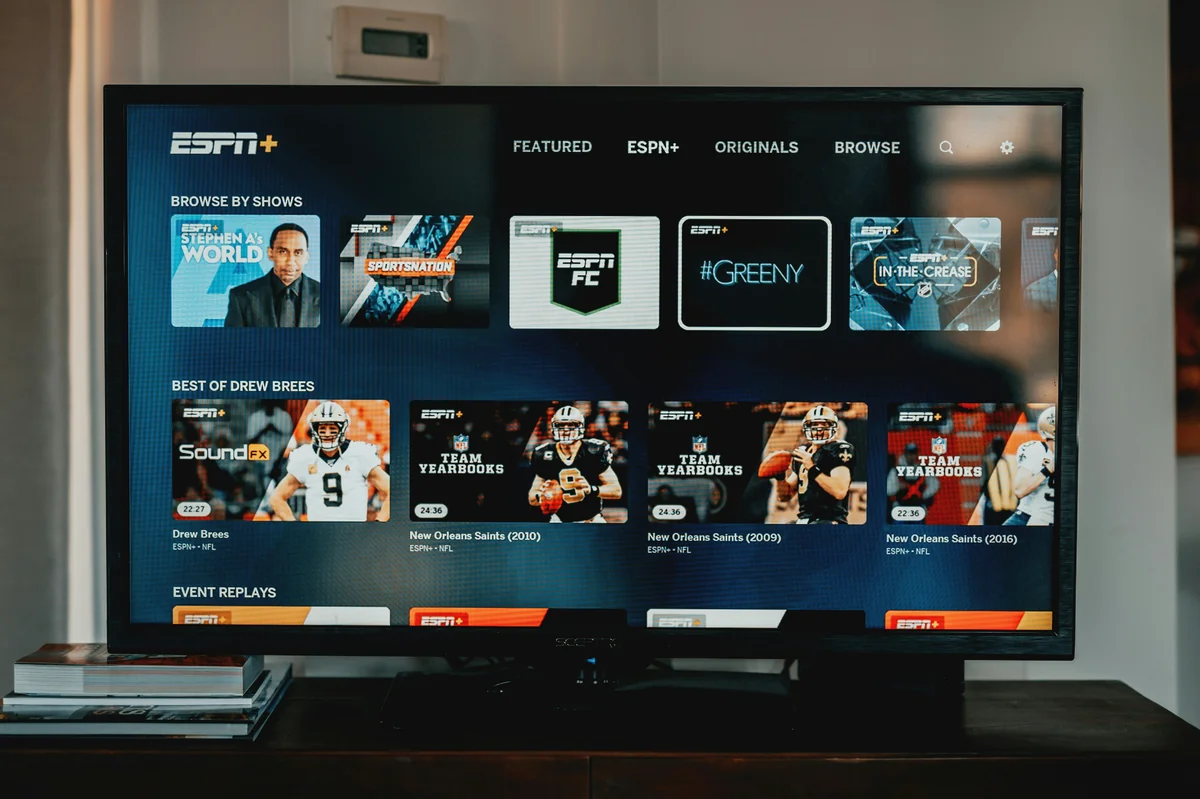
Selecting a provider requires careful research because the market is crowded and quality varies widely. At first glance, many services appear similar, but differences in uptime, app quality, support, and legal compliance can significantly impact your experience. If you want dependable it streaming, start by evaluating the provider’s reputation and transparency.
A trustworthy service should clearly explain supported devices, package options, subscription pricing, and available features. It should also provide customer support channels and realistic performance expectations. Be cautious of providers that make extreme claims, such as unlimited channels with perfect uptime at unusually low prices. In many cases, these promises do not hold up in real-world use.
Content quality is one of the most important considerations. A provider may list 4K channels, but that does not always mean the streams are stable or truly ultra-high-definition. The best this services maintain consistent bitrate delivery, minimize buffering, and use efficient encoding that preserves image detail. Looking for user reviews and test options can help you verify whether the service performs as advertised.
Device compatibility also matters. Some services work best on Android TV boxes, while others support smart TVs, Apple TV, Fire TV, tablets, and mobile phones. A good provider should either offer a dedicated app or support popular IPTV players through standard playlist formats. Before paying for a subscription, make sure the service aligns with the devices you actually use every day.
The user interface is another overlooked factor. Even when channel selection is strong, a poor app design can make navigation frustrating. Search tools, favorites lists, category organization, and program guide accuracy all influence how enjoyable the service feels. In a premium these environment, ease of use should match the high visual quality.
It is also wise to review trial availability. Short test periods let you evaluate startup speed, stream consistency, and content organization before committing to a longer plan. This is especially useful if you plan to watch live sports or high-demand events where performance often drops under heavy traffic. A solid trial can reveal whether the they service can handle peak viewing times.
Finally, consider legality and licensing. Not all IPTV services operate within proper distribution rights. Users should choose legitimate providers that have the authority to distribute content in their region. This reduces risk, improves service stability, and supports a more sustainable viewing ecosystem.
Devices, Internet Speed, and Setup Essentials
To enjoy 4K streaming properly, your equipment must be capable of handling higher bandwidth and modern video codecs. Buying a subscription alone is not enough. The performance of the concept depends on the combined strength of your internet plan, home network, streaming device, and display.

Start with your television. A true 4K TV is necessary to fully benefit from ultra-high-definition content. If your display is only Full HD, a 4K stream may still work, but you will not see the full resolution advantage. HDR support can further improve color, contrast, and brightness, especially when paired with premium streaming content.
Next is the streaming device. Smart TVs can run IPTV apps directly, but dedicated streaming hardware often performs better. Android TV boxes, Apple TV, Amazon Fire TV devices, and other modern media players tend to offer smoother navigation and broader app support. For a reliable the approach setup, choose hardware with sufficient processing power, codec support, and memory.
Internet speed is critical. While exact needs vary by provider and compression method, 4K streaming generally benefits from at least 25 Mbps of stable download speed per stream. Homes with multiple users, gaming devices, or simultaneous streams may need significantly more. A high-speed package helps, but consistency matters just as much as raw speed.
Whenever possible, use a wired Ethernet connection instead of Wi-Fi. Wireless networks can suffer from interference, signal loss, and bandwidth fluctuations, especially in larger homes or apartment buildings. Ethernet typically provides lower latency and greater stability, which is especially valuable for it live channels and sports broadcasts.
Router quality should not be ignored. An older router may bottleneck your connection even if your internet plan is fast. Dual-band or Wi-Fi 6 routers can improve network handling across multiple devices. If Ethernet is not practical, placing your router closer to the TV or using a mesh system may help maintain smoother streaming.
App setup is another important step. Some IPTV providers offer their own application, while others require users to install a compatible player and load account credentials or playlist information. During setup, it helps to organize favorite channels, configure video settings, and enable any available buffering controls. A properly configured this app can make daily use much easier.
You should also keep firmware and apps updated. Streaming issues can come from outdated software, unsupported codecs, or bugs fixed in later versions. Regular updates improve security, stability, and playback efficiency. Combined with a good network and modern hardware, these steps create a much stronger foundation for dependable 4K entertainment.
Benefits and Common Challenges of IPTV 4K
There are many reasons viewers are drawn to IPTV in ultra-high-definition. The biggest advantage is picture quality. On a large screen, crisp detail can make sports more exciting, movies more immersive, and documentaries more lifelike. For many households, these delivers a premium visual experience that feels noticeably better than standard HD.
Flexibility is another major benefit. Unlike traditional TV systems, IPTV allows users to watch content on different devices and often from different locations. You can move from a smart TV in the living room to a tablet in the bedroom or a smartphone while traveling. This convenience is one reason they appeals to modern users who want entertainment without rigid hardware limitations.
Content variety also plays a role. Many providers combine live channels, international content, on-demand libraries, and replay functions in one platform. That can reduce the need for multiple separate subscriptions. Depending on the service, viewers may gain access to niche programming, specialty sports, or regional channels not easily found through traditional providers.
However, there are also challenges. The most common issue is buffering. 4K content demands more bandwidth than lower-resolution streams, so weak internet connections or overloaded servers can interrupt playback. Even the best the concept setup can struggle if the provider lacks strong infrastructure during peak usage periods.
Another challenge is content inconsistency. Some channels may look excellent, while others advertised as 4K are merely upscaled from lower resolutions. This can disappoint users expecting uniform ultra-high-definition quality. It is important to understand that the source content, encoding, and transmission quality all affect the final image.
Compatibility can create problems too. Not every app works well on every device, and some users encounter audio sync errors, codec limitations, or interface issues. Testing your preferred hardware before long-term commitment helps avoid frustration. In many cases, an external streaming box solves issues that a built-in smart TV app cannot.
Legal and regional restrictions may also complicate access. Some services work differently depending on licensing agreements or location. Viewers should confirm that the provider is authorized to distribute content where they live. Choosing a legal the approach service generally improves reliability, customer support, and long-term access.
Despite these challenges, most issues can be managed with proper planning. Selecting a reputable provider, using good hardware, maintaining a stable network, and understanding realistic expectations can dramatically improve the experience. For users who value image quality and streaming flexibility, the benefits often outweigh the drawbacks.
Tips to Improve IPTV 4K Streaming Performance
Even with a good subscription, performance optimization is essential. Small technical adjustments can make a major difference in startup time, picture stability, and overall viewing quality. If your it streams buffer or drop in quality, the first step is to test your internet speed at the device you are actually using, not just near the router.
If the speed is lower than expected, reboot your modem and router, reduce network congestion, or contact your internet provider. Streaming performance often improves when other high-bandwidth activities, such as large downloads or cloud backups, are paused during viewing sessions. Prioritizing video traffic through router Quality of Service settings may also help.
Using Ethernet instead of Wi-Fi remains one of the best upgrades for stability. If you must use wireless, connect to the 5 GHz band when possible for higher throughput at shorter distances. For demanding this viewing, especially live sports, reducing interference can prevent the buffering spikes common on crowded networks.
You should also adjust app settings if available. Some players allow changes to stream buffer size, decoder options, aspect ratio handling, and hardware acceleration. Experimenting carefully can improve playback on certain devices. Just make one change at a time so you can clearly identify what helps.
Close unnecessary background apps on your streaming device. Low-memory devices can slow down when too many processes are active. Restarting the device occasionally clears temporary issues and can restore smoother operation. If problems continue, uninstalling and reinstalling the IPTV app may resolve corrupted settings or outdated configurations.
Another useful step is testing different servers or stream links if your provider offers them. Sometimes a specific feed is overloaded while an alternate source performs better. Reputable services often include backup options, which can be especially valuable during major events. A well-managed these provider should have redundancy in place for popular channels.
DNS settings may also affect responsiveness, especially when loading channel lists or program guides. Switching to a reliable public DNS can improve lookup speed in some cases. While this will not fix poor source quality, it may enhance app responsiveness and reduce loading delays.
Finally, manage expectations around peak hours. Even excellent streaming systems can face strain during globally popular sports matches or new release events. Planning ahead, logging in early, and testing the stream before the event begins can reduce frustration. Consistent performance comes from a combination of good infrastructure, smart setup, and proactive maintenance.
FAQ
What is IPTV 4K?
iptv 4k refers to internet-based television services that deliver content in ultra-high-definition resolution. It combines the flexibility of IPTV with the sharper picture quality of 4K, offering a more detailed and immersive viewing experience on compatible devices and TVs.
What internet speed do I need for IPTV 4K?
For smooth iptv 4k streaming, a stable download speed of at least 25 Mbps per active stream is commonly recommended. If multiple people in your home stream, game, or download at the same time, you may need a much faster plan to avoid buffering.
Can I watch IPTV 4K on a smart TV?
Yes, many smart TVs support IPTV apps directly, but performance depends on the TV’s operating system and hardware. For the best iptv 4k experience, some users prefer a dedicated streaming device such as an Android TV box, Apple TV, or Fire TV device.
Why does IPTV 4K buffer sometimes?
Buffering can happen because of slow internet, weak Wi-Fi, router limitations, overloaded provider servers, or poor app optimization. Improving your home network and choosing a reputable iptv 4k provider usually reduces these issues significantly.
Is IPTV 4K legal?
Legality depends on the provider and whether it has proper rights to distribute the content in your region. Users should always choose legal iptv 4k services from authorized companies to ensure better reliability, support, and compliance.
Is IPTV 4K better than cable?
For many users, iptv 4k offers more flexibility, broader device support, and better customization than traditional cable. However, the better option depends on your internet quality, content preferences, and whether you value streaming convenience over conventional broadcast reliability.
Conclusion
The growing popularity of iptv 4k reflects a larger shift in home entertainment toward internet-first, high-resolution viewing. With the right provider, device, and network setup, users can enjoy impressive picture quality, flexible access across screens, and features that go beyond traditional television. At the same time, success depends on careful selection, realistic expectations, and ongoing performance optimization.
Before subscribing, compare service quality, test compatibility, confirm legality, and make sure your internet connection can handle ultra-high-definition streaming. When everything is properly aligned, iptv 4k can deliver a premium entertainment experience that combines convenience, clarity, and control in a way that modern viewers increasingly expect.