
Introduction
it has become one of the most discussed topics in digital entertainment as more viewers look for flexible, internet-based alternatives to traditional cable and satellite services. Across the continent, changing viewing habits, faster broadband, and the demand for on-demand access have pushed internet television into the mainstream. Whether you want access to live channels, sports, films, or international content, understanding how this technology works is essential before choosing a service.
This guide explains the market, legal considerations, features to compare, device compatibility, pricing factors, and practical tips for selecting the right provider. If you are researching this for personal use, business opportunities, or general knowledge, this article will help you make more informed and safer decisions.
Table of Contents
- Introduction
- What Is IPTV and Why Is IPTV Europe Growing Fast?
- Key Features to Compare When Choosing IPTV Europe Services
- Channel Selection and Content Categories
- Streaming Quality
- Device Compatibility
- User Interface and EPG
- Catch-Up TV and On-Demand Options
- Customer Support and Trial Access
- Legal and Safety Considerations for IPTV Europe Users
- How to Identify Safer Providers
- Country-Specific Differences
- Privacy and Data Protection
- Best Devices, Setup Tips, and Performance for IPTV Europe
- Smart TVs
- Streaming Sticks and Boxes
- Mobile Devices and Tablets
- Internet Speed Recommendations
- Setup Best Practices
- Pricing, Value, and How to Select the Right IPTV Europe Plan
- Common Pricing Models
- What Defines Good Value?
- Red Flags to Avoid
- How to Make a Final Decision
- FAQ About IPTV Europe
- Is IPTV legal in Europe?
- What internet speed do I need for IPTV?
- Can I use IPTV on a smart TV?
- How do I choose the best IPTV provider?
- Is IPTV better than cable or satellite?
- Can I watch channels from different European countries?
- Conclusion
What Is IPTV and Why Is IPTV Europe Growing Fast?

Internet Protocol Television, or IPTV, delivers television content through internet networks instead of traditional terrestrial, satellite, or cable formats. Rather than relying on older broadcasting methods, users stream live TV channels, video-on-demand libraries, catch-up TV, and even time-shifted programming through apps or compatible devices.
The rapid growth of these is tied to several major trends. First, internet infrastructure across many European countries has improved significantly. Fiber broadband, 5G access, and wider smart TV adoption have made streaming more reliable than ever. Second, audiences increasingly want content on their own schedule. Instead of being tied to fixed broadcast times, viewers prefer a mix of live and on-demand options.
Another reason they continues to expand is content diversity. Europe is multilingual and culturally varied, so many households want access to local, regional, and international channels in one place. IPTV services often appeal to expatriates, multilingual families, and sports fans who want a broader content selection than standard cable packages offer.
Cost is also a major factor. In some markets, internet TV packages can appear more flexible than long-term legacy TV contracts. Users may be able to choose subscriptions based on interests, devices, and viewing habits. This personalization has helped make IPTV more appealing to younger consumers and households that no longer see value in conventional bundles.
However, not every provider offers the same quality, reliability, or legal compliance. Some operate with proper licensing and transparent policies, while others may provide questionable access to copyrighted content. For that reason, anyone exploring the concept should look beyond channel counts and focus on legitimacy, streaming stability, customer support, and compatibility.
Key Features to Compare When Choosing IPTV Europe Services
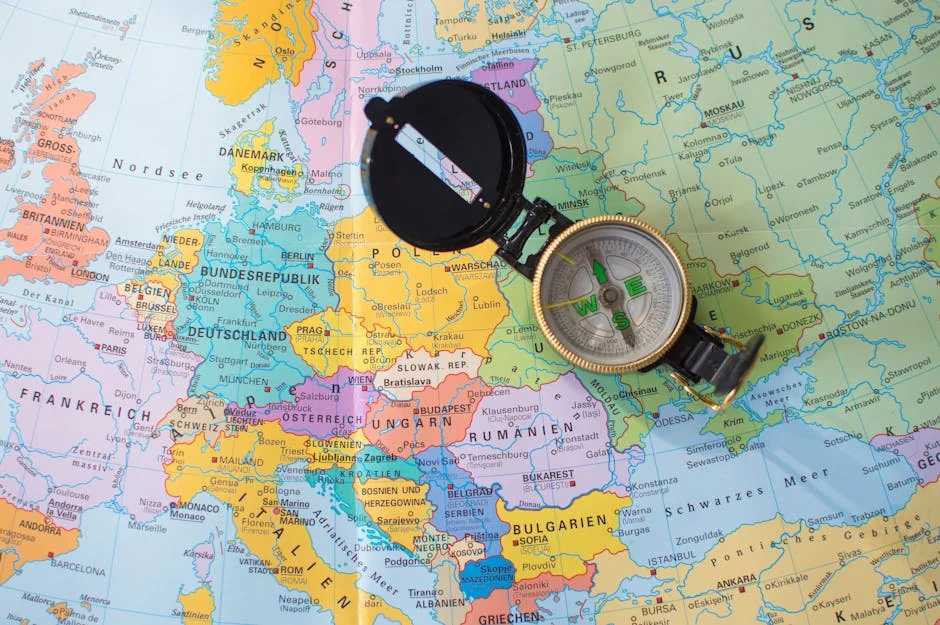
When evaluating providers, many people focus first on the number of channels. While variety matters, it should never be the only deciding factor. A high-quality the approach service should deliver strong performance, clear information, and a user-friendly experience.
Channel Selection and Content Categories
A good provider should clearly explain what is included. This may involve local European channels, premium sports, entertainment, kids’ programming, documentaries, and international stations. Some users prioritize language-specific content, while others need broad access across multiple countries. Always check whether the service actually covers the regions and genres that matter to you.
Streaming Quality
Video quality can vary from standard definition to HD, Full HD, and 4K, depending on content availability and your internet speed. Reliable buffering control, adaptive bitrate streaming, and stable servers are all important. In the it market, streaming quality often separates professional providers from weak or overcrowded platforms.
Device Compatibility
One of IPTV’s biggest advantages is flexibility. Many services support smart TVs, Android TV boxes, Amazon Fire TV devices, smartphones, tablets, laptops, and dedicated IPTV apps. Before subscribing, verify whether the platform works on your preferred devices and whether multiple connections are allowed for household use.
User Interface and EPG
An electronic program guide, or EPG, can make a major difference in usability. A well-designed interface allows you to browse channels, view schedules, search content, and manage favorites easily. The better this providers understand that ease of navigation is just as important as content volume.
Catch-Up TV and On-Demand Options
Some services include replay features that let you watch previously aired content for a set period. Others provide large video-on-demand libraries featuring films and series. If you rarely watch live broadcasts, these features may matter more than a large live channel lineup.
Customer Support and Trial Access
Responsive support is often overlooked until something goes wrong. Good providers offer clear setup instructions, fast troubleshooting, and transparent billing. Trial periods or short-term plans can help users test performance before making a longer commitment. In a competitive these space, trustworthy support is a strong sign of service quality.
Legal and Safety Considerations for IPTV Europe Users
Legal issues are among the most important topics in this industry. Not all IPTV services operate under the same standards, and laws can vary by country. In general, legal providers hold the rights or distribution agreements needed to stream their content. Unauthorized platforms may redistribute channels or copyrighted media without permission.

Anyone considering they should start by checking whether the provider is transparent about its company details, licensing, payment methods, and terms of service. If a service promises thousands of premium channels and exclusive sports for unrealistically low prices without any corporate transparency, that can be a warning sign.
How to Identify Safer Providers
Look for these indicators:
– Clear website information and company identity
– Published terms, privacy policy, and refund details
– Legitimate app distribution through recognized platforms
– Secure payment methods
– Realistic pricing
– Responsive customer support
– No exaggerated “lifetime access” claims
Another key issue with questionable providers is cybersecurity. Unverified apps or suspicious downloads may expose users to malware, data theft, or payment fraud. Some platforms ask for unnecessary permissions or direct users to unsafe installation methods. Choosing a reputable the concept provider helps reduce these risks.
Country-Specific Differences
Europe is not a single legal market. Broadcasting rights, consumer rules, and enforcement approaches differ between countries. A service that appears available in one jurisdiction may be restricted in another. Sports rights, in particular, are often region-specific and closely regulated. Users should review local rules and the service’s stated coverage before subscribing.
Privacy and Data Protection
Because many IPTV services collect account details, device information, and usage data, privacy matters. Reputable providers should explain how data is handled and whether they comply with European privacy standards. Before using any the approach platform, review its privacy practices and avoid services that provide little or no transparency.
Best Devices, Setup Tips, and Performance for IPTV Europe
A successful streaming experience depends not just on the provider but also on your hardware, app quality, and internet connection. Even a strong it subscription can disappoint if the setup is poor.
Smart TVs
Many users prefer smart TVs because they reduce the need for extra equipment. Popular TV brands often support IPTV apps directly, though app availability may vary by operating system. Smart TVs are convenient for living room viewing, but some have less processing power than dedicated streaming devices.
Streaming Sticks and Boxes
Devices such as Android TV boxes and Fire TV products are widely used because they are flexible, affordable, and easy to configure. They often provide smoother navigation and broader app compatibility than some televisions. For households focused on this, these devices can offer a practical balance between cost and performance.
Mobile Devices and Tablets
Phones and tablets allow viewing on the go, which is useful for travel, commuting, or shared households. However, smaller screens may not be ideal for sports or family viewing. Mobile access is best seen as a useful extension rather than the main setup for many users.
Internet Speed Recommendations
Connection quality matters more than raw speed alone, but general guidelines help:
– SD streaming: at least 5 Mbps
– HD streaming: at least 10 Mbps
– Full HD or multiple streams: 20 Mbps or more
– 4K streaming: 25 Mbps or more
Wired Ethernet connections usually provide more stability than Wi-Fi. If you rely on wireless networking, place your router well, reduce interference, and consider mesh systems for larger homes. To get the best from these, stable latency and low congestion are as important as download speed.
Setup Best Practices
For the best experience:
- Use updated apps and device software
- Restart your router regularly if performance drops
- Prefer Ethernet for primary viewing devices
- Avoid overloaded low-cost hardware
- Test during peak evening hours before committing
- Check whether the provider offers regional server optimization
These simple steps can significantly improve reliability and reduce buffering, freezing, and app crashes.
Pricing, Value, and How to Select the Right IPTV Europe Plan
Pricing in this market ranges widely depending on content rights, video quality, support, and included features. Some users chase the lowest price, but value should be the real goal. A dependable they subscription with better uptime and support is often worth more than a cheaper service that constantly fails.
Common Pricing Models

Providers may offer:
– Monthly subscriptions
– Quarterly plans
– Annual packages
– Multi-device upgrades
– Premium sports or VOD add-ons
– Trial access for one day or one week
Monthly plans are ideal for testing flexibility, while annual subscriptions may reduce the overall cost if the provider has already proven reliable. In the iptv europe segment, avoid locking into long commitments without first checking quality.
What Defines Good Value?
Good value is not just about channel numbers. Ask these questions:
– Does the service carry the channels you actually watch?
– Is there stable performance during busy hours?
– Are support responses timely and useful?
– Is the app easy to navigate?
– Does the provider explain billing clearly?
– Are there hidden renewal terms?
A provider with fewer but well-curated channels and strong support may be far better than a bloated package full of nonfunctional streams.
Red Flags to Avoid
Be cautious if a service offers:
– Prices that seem impossibly low
– Huge premium bundles with no explanation
– No trial or demo options
– No refund policy
– Poor website grammar and incomplete contact details
– Pressure tactics for instant payment
– Unsecured or unusual payment channels
The iptv europe market includes both professional operators and risky sellers, so careful comparison is essential.
How to Make a Final Decision
To choose wisely, define your priorities first. If sports are essential, check event reliability and regional access. If family viewing matters, compare kids’ content, language choices, and multi-device support. If you mainly watch films and series, examine the on-demand library and subtitle options. Matching your actual viewing habits to a provider’s strengths is the best way to find a sustainable solution in iptv europe.
FAQ About IPTV Europe
Is IPTV legal in Europe?
iptv europe services can be legal or illegal depending on whether the provider has proper rights to distribute the content. Legitimate services operate with licenses and clear terms, while unauthorized providers may stream copyrighted channels without permission. Users should always research a platform before subscribing.

What internet speed do I need for IPTV?
For iptv europe, most households should aim for at least 10 Mbps for stable HD streaming, though higher speeds are better for multiple devices or 4K content. Connection stability, router quality, and network congestion also affect performance.
Can I use IPTV on a smart TV?
Yes, many iptv europe services support smart TVs either through dedicated apps or playlist-compatible media players. Compatibility depends on the TV operating system and the provider’s supported formats, so always confirm before purchasing a plan.
How do I choose the best IPTV provider?
The best way to evaluate iptv europe options is to compare legality, content relevance, streaming quality, support, device compatibility, and pricing transparency. A trial period is often the safest method to test whether the service meets your expectations.
Is IPTV better than cable or satellite?
For some users, iptv europe offers more flexibility, broader device support, and stronger on-demand access than cable or satellite. However, the best choice depends on your internet quality, preferred channels, and the reliability of the provider you choose.
Can I watch channels from different European countries?
Many iptv europe services are designed specifically to provide multi-country access, including local and international channels. Availability depends on licensing, region, and provider offerings, so check the channel list carefully if cross-border viewing is important to you.
Conclusion
The rise of iptv europe reflects a broader shift in how people across the continent consume television. Viewers want convenience, mobility, customizable channel access, and strong on-demand features, and IPTV answers many of those needs when offered through a reliable provider. At the same time, legal compliance, data privacy, app safety, and streaming consistency should never be ignored.
Before choosing a service, focus on your actual viewing priorities, verify compatibility with your devices, test network performance, and look for transparent business practices. The best iptv europe experience is not necessarily the cheapest or the biggest package, but the one that delivers stable, lawful, and user-friendly entertainment over the long term.