
Introduction
Streaming has changed how people watch live TV, sports, movies, and on-demand content. One term that appears often in this space is it, especially among users looking for flexible playlist-based streaming solutions. At its core, this format helps media players organize and access channels or streams through a simple text-based playlist file. Because it can work across smart TVs, phones, tablets, computers, and dedicated streaming boxes, it has become popular with beginners and advanced users alike.
Table of Contents
- Introduction
- What Is m3u iptv and How Does It Work?
- Benefits of Using m3u iptv for Streaming
- Broad Device Compatibility
- Easy Playlist Management
- Organized Channel Access
- Potential Cost Efficiency
- Support for Extra Features
- Portability and Convenience
- Customization Options
- How to Set Up m3u iptv on Different Devices
- 1. Choose a Compatible IPTV Player
- 2. Get Your Playlist Information
- 3. Set Up on Smart TVs
- 4. Set Up on Android Devices
- 5. Set Up on iPhone or iPad
- 6. Set Up on PC or Mac
- 7. Optimize Your Connection
- 8. Add EPG and Favorites
- 9. Troubleshoot Common Issues
- Best Practices, Safety Tips, and Legal Considerations for m3u iptv
- Use Legitimate Sources
- Protect Your Personal Information
- Choose Trusted Apps
- Watch for Red Flags
- Keep Software Updated
- Use Strong Network Security
- Understand Performance Limitations
- Learn the Difference Between Player and Provider
- Respect Regional Rules
- FAQ About m3u iptv
- What is m3u iptv in simple terms?
- Is m3u iptv legal?
- What devices support m3u iptv?
- Do I need a special app for m3u iptv?
- Why is my m3u iptv playlist buffering?
- Can I use one playlist on multiple devices?
- How do I update an M3U playlist?
- Is m3u iptv better than traditional cable?
- Conclusion
In this guide, you will learn what this means, how it works, how to set it up on different devices, what features matter most, and what safety and legal considerations you should keep in mind. Whether you are exploring playlists for the first time or trying to improve your viewing experience, this article provides a practical and comprehensive overview.
What Is m3u iptv and How Does It Work?

these refers to the use of M3U playlist files for Internet Protocol Television streaming. An M3U file is essentially a plain text file that contains links to media streams. Rather than storing the actual video content, it points a compatible player toward the source of live channels, radio stations, or video-on-demand items.
The basic idea is simple. A playlist includes stream URLs, channel names, and sometimes metadata such as logos, categories, and electronic program guide information. When a user loads the playlist into an IPTV player, the app reads those links and displays them in an organized interface. From there, the user can select a channel and begin streaming over an internet connection.
A standard playlist may include lines that identify channel information followed by the direct stream URL. Many IPTV players can also support EPG integration, catch-up content, parental controls, favorites, and search tools. That makes playlist-based viewing much more convenient than manually entering stream links one by one.
One major reason they remains widely used is compatibility. Many apps and platforms recognize the M3U format, making it easy to move from one device to another. If you switch from a smartphone app to a smart TV player, you may often use the same playlist link or file.
Another important point is that playlist quality depends heavily on the source. A well-maintained provider may offer cleaner categories, stable servers, updated channels, and accurate guide data. A poor-quality source may result in buffering, broken links, mislabeled channels, or low-resolution video. This is why users often focus not just on player apps, but also on playlist reliability and maintenance.
In practical terms, the process looks like this:
- Get an M3U file or M3U URL.
- Open an IPTV-compatible app.
- Add the playlist to the app.
- Allow the app to load channels and metadata.
- Browse and stream content.
Because of this straightforward setup, the concept has become a common option for people who want a customizable way to watch streaming television across multiple devices.
Benefits of Using m3u iptv for Streaming
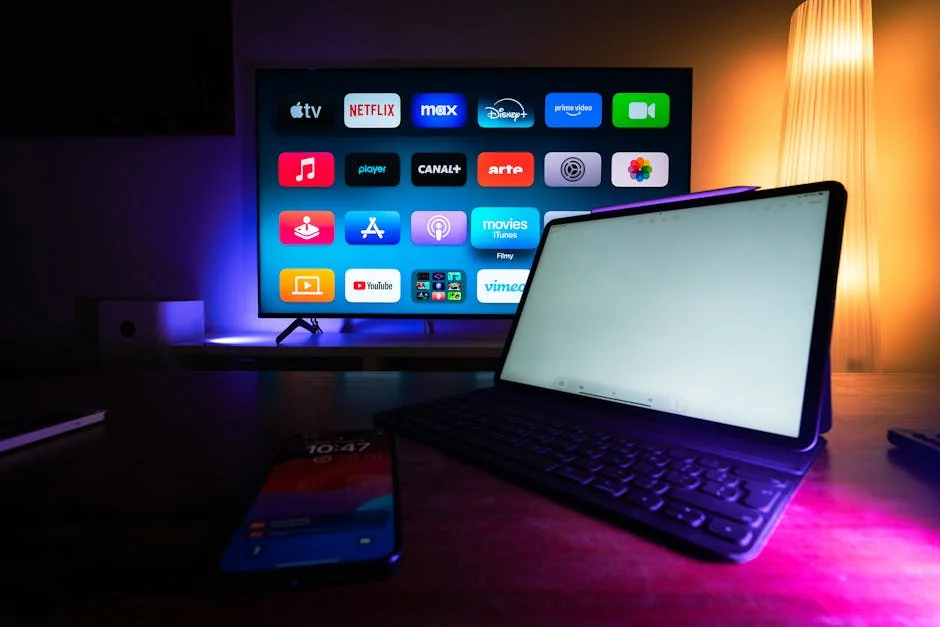
There are several reasons users prefer the approach over more limited streaming methods. The biggest advantage is flexibility. Instead of relying on one closed platform, users can choose from many apps, devices, and playlist sources.
Broad Device Compatibility
M3U playlists can often be used on:
– Android phones and tablets
– iPhones and iPads
– Smart TVs
– Fire TV devices
– Android TV boxes
– Windows PCs
– Mac computers
– Streaming set-top boxes
This broad support makes it convenient for households that use several platforms.
Easy Playlist Management
Because the M3U format is simple, managing playlists is relatively easy. You can import a local file, paste a playlist URL, or update an existing source without rebuilding everything from scratch. Some apps even refresh channels automatically when the source playlist changes.
Organized Channel Access
A good IPTV player can sort content into categories such as sports, entertainment, news, kids, and international channels. This improves usability and helps users quickly find what they want to watch. With a properly formatted playlist, it setups can feel polished and user-friendly.
Potential Cost Efficiency
Compared with some traditional cable or satellite packages, internet-based playlist streaming may offer a more affordable path to content access. Costs vary based on the service, app, and features, but many users are drawn by the potential savings and customization.
Support for Extra Features
Many players that support M3U also include:
– EPG or TV guide support
– Favorites lists
– Search functions
– Multi-screen viewing
– External player support
– Catch-up TV in supported cases
– Subtitle settings
– Recording options in some apps
These features can significantly improve the overall streaming experience.
Portability and Convenience
If you travel often or want access on multiple screens, this can be convenient. You may use the same playlist on a home television, a laptop during travel, and a phone when away from home, depending on the provider’s allowed usage terms and device support.
Customization Options
Some advanced users appreciate being able to edit playlists, remove unwanted categories, rename channels, or combine sources. While this is more technical, it is one of the strengths of the M3U format. It offers a level of control that many locked streaming services do not provide.
Overall, the popularity of these comes from its balance of flexibility, convenience, and broad player compatibility. For users who want control over how they access streaming content, it remains one of the most practical playlist formats available.
How to Set Up m3u iptv on Different Devices
Setting up they is usually straightforward, though the exact steps depend on the app and device you use. In most cases, you need a playlist URL or file, a compatible player, and a stable internet connection.

1. Choose a Compatible IPTV Player
Before anything else, you need an app that supports M3U playlists. Popular player categories include:
– Smart TV IPTV apps
– Android media players
– iOS IPTV apps
– Desktop media players
– Cross-platform streaming software
When choosing a player, look for support for playlist URLs, EPG integration, easy navigation, and regular updates.
2. Get Your Playlist Information
You typically receive either:
– An M3U file you download and upload
– An M3U URL you paste into the app
– Sometimes additional EPG information
Store these details securely. If your provider updates playlist credentials or server links, you may need to refresh them later.
3. Set Up on Smart TVs
For smart TVs, download an IPTV player from the app store available on your television platform. Open the app and look for an option such as:
– Add playlist
– Load M3U URL
– Upload file
– Add source
Paste the playlist URL or enter the account information as required. After loading, the app should display the channel groups.
4. Set Up on Android Devices
On Android phones, tablets, or TV boxes, install a trusted IPTV player from a reputable app source. Open it, choose the playlist import option, and then either upload the file or paste the URL. Once synced, channels should appear in categories. This is one of the most common ways to use the concept because Android supports many flexible media apps.
5. Set Up on iPhone or iPad
On iOS, the process is similar. Install a compatible player, then import the playlist. Some apps also let you connect cloud storage so you can load files more easily. If your app supports EPG, add the guide URL for a more complete viewing interface.
6. Set Up on PC or Mac
Desktop users can rely on media players or IPTV software that supports network streams and playlists. Open the app, locate the playlist option, and add the M3U file or URL. On computers, users often benefit from easier keyboard search, better playlist editing, and larger-screen channel organization.
7. Optimize Your Connection
Once your playlist is loaded, test stream stability. If channels buffer often, check:
– Internet speed
– Wi-Fi signal strength
– Router performance
– VPN usage if applicable
– Device memory or app performance
– Playlist/server stability
A wired connection is often best for high-resolution live streaming.
8. Add EPG and Favorites
To improve usability, add EPG data if available and save your favorite channels. This can turn a basic playlist into a much more polished television experience.
9. Troubleshoot Common Issues
If your setup does not work immediately, check the following:
– Is the playlist URL entered correctly?
– Has the provider changed the source link?
– Does the app support the playlist format?
– Is the internet connection stable?
– Are categories taking time to load?
– Is the stream blocked or expired?
For many users, the approach setup becomes easy after the first successful installation. Once you understand the app interface and playlist import method, future updates usually take only a few minutes.
Best Practices, Safety Tips, and Legal Considerations for m3u iptv
While it can be useful and convenient, users should also think carefully about safety, privacy, quality control, and legality. Not every playlist source is trustworthy, and not every stream is authorized for distribution.

Use Legitimate Sources
The first and most important rule is to use legitimate and properly licensed services. Streaming content without authorization may violate local laws, platform terms, or intellectual property rights. Always verify that the service you use has the right to distribute the channels or media offered.
Protect Your Personal Information
Be careful when signing up for any IPTV-related service. Avoid sharing unnecessary personal details, and be cautious with providers that request unusual permissions or payment methods that offer no buyer protection. A trustworthy service should have clear support information, transparent policies, and secure billing practices.
Choose Trusted Apps
Only install player apps from reputable sources. Unverified apps may contain malware, excessive tracking, or security risks. Before installing, check reviews, update frequency, privacy policies, and publisher credibility.
Watch for Red Flags
Some warning signs include:
– Extremely unrealistic content claims
– Very low prices with no explanation
– No support contact details
– Broken websites or copied branding
– Constantly changing domains
– Requests for suspicious app sideloading
– Poor playlist maintenance
A reliable this experience depends on both the player and the source being trustworthy.
Keep Software Updated
Updates can fix bugs, improve playback, and patch security issues. Make sure your player app, operating system, and device firmware are current. This is especially important on streaming boxes and smart TVs that may be exposed to online threats.
Use Strong Network Security
Protect your home network with:
– Strong Wi-Fi passwords
– Updated router firmware
– Secure DNS settings
– Device access controls
– Network monitoring if available
These steps help reduce the chance of unauthorized access or performance problems.
Understand Performance Limitations
Even with a high-quality playlist, performance can vary based on internet traffic, server load, device power, and geographic distance from the streaming source. If buffering occurs, it does not always mean the app is broken. Sometimes the issue is simply network congestion or weak infrastructure.
Learn the Difference Between Player and Provider
Many beginners confuse the IPTV player with the content source. The player is just the software used to open the playlist. The provider or playlist source delivers the channel links. If channels disappear or stop working, the problem may come from the source rather than the app.
Respect Regional Rules
Media laws differ by country and region. Before using any streaming source, learn the regulations that apply where you live. This is especially important for live television, sports rights, and premium content.
By approaching these with caution and awareness, users can enjoy a better experience while reducing legal, technical, and security risks.
FAQ About m3u iptv
What is m3u iptv in simple terms?
m3u iptv is a method of streaming television or media using an M3U playlist file or URL. The playlist contains links to channels or streams, and an IPTV player reads those links so you can browse and watch content.

Is m3u iptv legal?
m3u iptv itself is just a format and is not illegal on its own. Legality depends on whether the content source has the proper rights and licenses to distribute the channels or media. Always use authorized services.
What devices support m3u iptv?
Many devices support m3u iptv, including smart TVs, Android phones, iPhones, tablets, Fire TV devices, Android TV boxes, Windows PCs, and Mac computers. You simply need a compatible player app.
Do I need a special app for m3u iptv?
Yes, you usually need an IPTV player or media app that can open M3U files or URLs. Different apps offer different features such as EPG support, favorites, recording, or category organization.
Why is my m3u iptv playlist buffering?
Buffering can happen for several reasons: slow internet, weak Wi-Fi, overloaded servers, poor playlist quality, outdated apps, or device performance issues. Testing on another network or device can help identify the cause.
Can I use one playlist on multiple devices?
In many cases, yes, but this depends on the provider’s terms. Some services allow multiple devices, while others limit simultaneous connections. Check usage rules before sharing or installing the same playlist elsewhere.
How do I update an M3U playlist?
Most apps let you refresh the playlist manually or automatically. If the provider changes the playlist URL or credentials, you may need to re-enter the source. Keeping playlist data current helps maintain stable access.
Is m3u iptv better than traditional cable?
That depends on your needs. m3u iptv can offer more flexibility, device compatibility, and customization, while traditional cable may provide a simpler plug-and-play experience with established support. The best choice depends on budget, viewing habits, and service quality.
Conclusion
m3u iptv has become a widely recognized solution for users who want flexible, playlist-based television streaming across many devices. Its appeal comes from simple playlist management, broad app compatibility, customizable channel organization, and the ability to access content through a user-friendly player. At the same time, success with this setup depends heavily on the quality of the playlist source, the stability of your internet connection, and the app you choose.
If you plan to use m3u iptv, focus on legitimate services, trusted apps, strong network security, and realistic expectations about performance. With the right setup and careful source selection, it can provide a convenient and efficient way to enjoy live channels and streaming media in a format that is both portable and adaptable.