分类目录归档:Global IPTV Distribution

Global IPTV Distribution,Reliable global IPTV distribution network delivering stable live TV, VOD, and premium channels across regions with high uptime & fast delivery.

iptv adult: 8 Best : Safe, Legal, and Private Viewing Guide

Introduction

The rise of internet-based television has changed how people access niche entertainment, premium channels, and on-demand content. Among the many categories people search for, it is one of the most discussed because it combines streaming convenience with privacy concerns, payment security, legal questions, and content quality expectations. Users often want reliable access, strong discretion, and a platform that works smoothly across smart TVs, phones, tablets, and streaming boxes.

At the same time, choosing the right service is not as simple as picking the cheapest option. Performance, licensing, device compatibility, parental controls, and customer support all matter. This guide explains what to know before subscribing, how to evaluate services, and how to protect your privacy while streaming. If you are researching this options, this article will help you make a more informed and safer decision.

What Is IPTV and How Does It Work for Adult Content?

IPTV stands for Internet Protocol Television, a system that delivers television channels and on-demand media over the internet rather than through traditional cable or satellite infrastructure. Instead of relying on a broadcast signal, IPTV streams content directly to an app, web player, or dedicated set-top box. This makes it flexible, portable, and often easier to customize based on viewing preferences.

When people refer to these, they usually mean adult-oriented live channels, pay-per-view access, or video-on-demand libraries delivered through an IPTV platform. In many cases, providers package this content as a premium add-on, while others build entire services around adult programming. The experience can include categorized libraries, search tools, resolution options, and compatibility with multiple devices.

One reason this category has grown is convenience. Traditional premium channel packages may be expensive or limited by region. IPTV services may offer broader access, easier setup, and subscription terms that look more attractive to users who want discretion. However, convenience should never be the only factor. The quality of an IPTV service depends on several technical and operational elements:

– Server stability and uptime
– Stream quality, including HD or 4K support
– Channel organization and search functionality
– App reliability across devices
– Payment processing and account security
– Licensing transparency and legal compliance

Another important factor is bandwidth. Streaming high-resolution video requires a stable internet connection. If a platform offers poor compression or weak infrastructure, users may experience buffering, lag, or sudden disconnects. This can be especially frustrating when content libraries are large but poorly maintained.

People also assume that all services work the same way, which is rarely true. Some platforms are app-based with polished interfaces, while others rely on playlist files and third-party players. Some offer cloud-based DVR or favorites lists, while others are extremely basic. As a result, anyone considering they should compare not only the content selection but also the service architecture behind it.

Finally, access methods vary. You may see support for:

– Smart TVs
– Android TV devices
– Fire TV and Fire Stick
– iOS and Android phones
– Tablets
– Web browsers
– MAG boxes and compatible IPTV players

The more device support a service offers, the easier it is to watch content privately and conveniently. Still, privacy should be balanced with safety, which brings us to the most important issue: legality and security.

Legality is one of the biggest concerns in this space. Not every IPTV service is licensed to distribute the content it streams. Some providers operate within legal frameworks and hold the rights needed to offer channels or on-demand programming. Others may redistribute content without authorization. That distinction matters because using unauthorized services can expose users to legal, financial, and cybersecurity risks.

With the concept, the legal side becomes even more sensitive because adult content laws vary widely by country, state, and region. Some jurisdictions regulate distribution, age verification, and record-keeping more strictly than mainstream entertainment. Before subscribing, users should check their local laws and ensure any provider complies with applicable regulations.

The biggest risks usually fall into a few categories:

If a service is offering premium channels or large libraries at unrealistically low prices, that can be a warning sign. Legitimate licensing costs money. Providers that cannot clearly explain where their content comes from may be operating in a legally questionable way.

2. Privacy Exposure

Users often assume niche streaming services are private by default. That is not always the case. Weak security practices can expose billing details, email addresses, viewing history, or even account credentials. Since this category is highly personal, privacy failures can feel especially invasive.

3. Malware and Suspicious Apps

Some unverified IPTV apps request excessive permissions, redirect users to unsafe payment pages, or push risky downloads. If an app is not distributed through a trusted source, it may create more problems than it solves.

4. Poor Customer Protection

Disreputable services often have no refund policy, fake support channels, or disappearing domains. A provider may take payment and become inaccessible within weeks. That is why reputation research matters before purchase.

5. Age Verification and Household Safety

Because adult content may be accessible across shared devices, users should make sure account protections are in place. In homes with children or multiple users, missing PIN controls or lock features create avoidable risks.

To reduce these concerns, users researching the approach should look for signs of legitimacy:

– Clear terms of service
– Transparent billing and pricing
– Real customer support options
– A published privacy policy
– Secure checkout with encrypted payment handling
– Age-gating or account verification tools
– No exaggerated claims such as “every premium channel in the world for almost nothing”

A legal and reputable service will typically explain what it offers without relying on vague promises. It will also provide realistic expectations for device support, stream quality, and subscription limits. If the provider hides basic company details or lacks a proper support system, that is reason for caution.

How to Choose the Best IPTV Adult Service

The best streaming platform is not always the cheapest or the one with the longest channel list. A smarter approach is to compare quality, safety, usability, and long-term reliability. When selecting an it service, think in terms of value rather than just access.

Content Variety and Organization

A large content library can be useful, but organization matters more than raw volume. Look for services that sort channels and on-demand videos into clear categories, support search and filtering, and update libraries regularly. If the interface is cluttered or difficult to navigate, the experience becomes frustrating quickly.

Video Quality and Buffering Performance

Check whether the provider supports stable HD or 4K streaming where available. More importantly, look for user feedback on consistency. A service with fewer channels but reliable streams is usually better than one advertising thousands of options with constant interruptions.

Device Compatibility

An ideal provider should work smoothly on the devices you already own. Common compatibility options include:

– Smart TVs
– Android boxes
– Fire TV devices
– Mobile apps
– Browser playback
– IPTV players using M3U or Xtream codes

If a service forces complicated workarounds or lacks setup guides, it may be more trouble than it is worth.

User Interface and App Experience

A polished interface improves the entire experience. Features to look for include:

– Favorites lists
– Resume playback
– Search history controls
– Subtitle support where relevant
– Stable EPG or content browsing tools
– Fast loading times

For this, a private and clean interface is especially important. Many users prefer platforms that do not display unnecessary previews or expose watch history too openly across shared devices.

Privacy and Payment Security

A trustworthy service should use HTTPS, secure billing forms, and ideally offer discreet payment descriptions where legally appropriate. Avoid providers that ask for unusual payment methods without clear protections. If a site looks outdated, has broken pages, or lacks policy information, it may not handle your data responsibly.

Trial Options and Refund Policies

A trial can help you verify content quality, buffering behavior, and interface usability before committing to a longer plan. Be cautious with providers that refuse any testing period while making aggressive claims. A reasonable refund policy is also a positive sign.

Customer Support

Reliable support often separates serious providers from risky ones. Before buying, check if the company offers:

– Live chat
– Email support
– Setup documentation
– Device-specific installation guides
– Response times stated clearly

If support is impossible to reach before purchase, it may be even worse afterward.

Realistic Pricing

Low cost alone should not drive your decision. Licensing, infrastructure, and support all have real operating costs. If the price appears impossibly low for what is being promised, that can indicate quality or legal problems. A sustainable service usually prices itself in a way that reflects actual business operations.

By comparing these factors carefully, users can narrow down these services that are more likely to deliver a stable, secure, and user-friendly experience. A little research upfront can prevent wasted money and unnecessary privacy risks later.

Privacy, Security, and Responsible Streaming Tips

Privacy is often the top reason people explore they services instead of traditional television packages. However, privacy is not something you automatically receive just because a platform is online. It depends on your own habits, the service’s infrastructure, and the devices you use.

Use Strong Account Security

Start with the basics. Use a unique password for the account and avoid reusing credentials from email, banking, or social media. If the service offers multi-factor authentication, enable it. Shared passwords create a major exposure risk, especially on sensitive entertainment accounts.

Verify Website Security

Before registering or paying, confirm that the website uses HTTPS and has a valid certificate. While this alone does not guarantee trustworthiness, it is a minimum standard. Also look for a real privacy policy and terms page. These documents should explain data collection, billing practices, account handling, and content access rules.

Be Careful With Apps and Downloads

Only install apps from trusted app stores or the official provider website if you have reason to trust it. Avoid modified APKs from unknown sources. Unofficial apps can contain spyware, adware, or credential theft tools. This is especially relevant in the the concept category because some bad actors exploit users’ desire for discretion.

Protect Shared Devices

If you use a smart TV, tablet, or streaming device that others in the household can access, lock down the app where possible. Good practices include:

– Logging out after use
– Disabling autoplay previews
– Using a PIN-protected profile
– Clearing recent activity if the app supports it
– Avoiding browser-based playback on shared computers without private mode

Monitor Billing Descriptions and Statements

Understand how the service appears on your bank or card statement. Legitimate providers should explain billing frequency, renewal terms, and cancellation procedures. Unexpected charges are a common complaint with low-quality services.

Responsible use means choosing services that follow local law and age restrictions. Adults should also make sure minors cannot accidentally access content through connected devices. In family settings, parental controls and device-level restrictions are essential.

Maintain Device Hygiene

Keep your operating system, streaming apps, and antivirus tools updated where relevant. Security updates close known vulnerabilities that bad actors can exploit. This applies to phones, tablets, computers, and Android-based TV devices.

Watch for Red Flags

Stop immediately if you notice any of the following:

– Repeated payment failures on suspicious pages
– Unexplained pop-ups or redirects
– Requests for excessive app permissions
– Downloads that trigger security warnings
– Support channels that disappear after payment
– Account logins from unknown locations

When used responsibly, the approach can offer convenience and discretion. But the safest experience comes from combining a reputable service with cautious personal security habits. Users should treat streaming accounts with the same care they would apply to any online subscription involving personal and financial information.

IPTV Adult Setup, Features, and Common Performance Issues

After choosing a provider, the next step is setup. The exact process depends on whether the service uses a dedicated app, a browser portal, or a third-party IPTV player. In most cases, it platforms are designed to be straightforward, but technical quality still varies.

Typical Setup Process

A standard setup often includes these steps:

  1. Create an account
  2. Choose a subscription plan
  3. Verify your email or age if required
  4. Download the supported app or open the web player
  5. Enter your credentials or activation code
  6. Configure playback settings and device preferences

Some services instead provide playlist credentials for use with compatible IPTV players. This may require a little more technical comfort, but it can also give users better control over the viewing environment.

Helpful Features to Look For

A good streaming experience is shaped by features that improve convenience and privacy. Useful options include:

– Search and filter tools
– Favorites and custom playlists
– Recently watched history
– Multiple stream quality settings
– Full-screen playback support
– Stable library categorization
– Account management dashboard
– PIN or content lock tools

In the context of this, privacy-focused account controls are particularly valuable. Features like hidden history, protected profiles, or device management tools can make the platform much more comfortable to use.

Why Buffering Happens

Buffering is one of the most common complaints with IPTV services. It can be caused by:

– Slow or unstable home internet
– Overloaded provider servers
– Wi-Fi interference
– Poor app optimization
– Device performance limitations
– ISP-related congestion during peak hours

To improve performance, users can try a wired connection, close background apps, reduce stream resolution, restart the router, or test playback on another device. If buffering occurs across multiple devices and times of day, the problem may be the provider rather than your network.

Audio and Video Sync Problems

Sometimes streams load but the audio and video are out of sync. This issue may be caused by the player, stream source, or device decoding. Switching players, clearing app cache, or changing resolution can help. Persistent sync issues across many channels often indicate poor service quality.

Login and Access Errors

If you cannot log in, verify that your subscription is active and the credentials are correct. Some services limit simultaneous connections, so an account may stop working if too many devices are active at once. Review the provider’s connection policy before assuming the service is broken.

App Crashes and Freezing

Frequent app crashes may point to outdated software, low device storage, or a poorly maintained application. Updating the app, reinstalling it, or switching to a better-supported device can sometimes solve the problem. If not, that may be a sign the service lacks proper technical support.

Long-Term Reliability

Many users focus heavily on content catalog size but forget to assess long-term consistency. A smaller but stable service is often a better experience than a huge but chaotic one. When evaluating these, prioritize providers that maintain uptime, support their apps, and communicate service changes clearly.

A reliable setup should feel simple after initial installation. If every viewing session requires troubleshooting, the service may not be worth the subscription cost, no matter how impressive the advertised library looks.

FAQ

What is iptv adult?

iptv adult refers to adult-oriented television channels or on-demand content delivered through internet-based TV technology rather than traditional cable or satellite systems. Depending on the provider, it may include live channels, premium libraries, and app-based playback on multiple devices.

iptv adult can be legal if the provider has the proper rights to distribute the content and operates in compliance with local laws. Because regulations vary by region, users should verify both the provider’s legitimacy and the legal status of the content where they live.

How can I choose a safe iptv adult provider?

To choose a safer iptv adult provider, check for transparent pricing, clear policies, secure payment processing, reliable support, and realistic service claims. A trial option, a trustworthy website, and strong privacy practices are also positive signs.

Can I watch iptv adult on a smart TV or phone?

Yes, many iptv adult services support smart TVs, streaming sticks, Android devices, iPhones, tablets, and web browsers. Compatibility depends on the provider, so it is best to confirm supported devices before purchasing a plan.

How do I protect my privacy while using iptv adult?

When using iptv adult, protect your privacy with a unique password, secure billing methods, trusted apps, and device-level access controls. On shared devices, log out after use and enable profile locks or PIN features whenever available.

Why does iptv adult buffering happen?

Buffering on iptv adult streams can happen because of slow internet, Wi-Fi interference, overloaded provider servers, or poor app performance. Testing another device, lowering video quality, or switching to a more stable connection can help identify the cause.

Conclusion

Choosing the right iptv adult service requires more than comparing price tags or channel counts. The best option is one that balances content quality, legal transparency, device support, privacy protections, and reliable performance. Users should approach subscriptions carefully, research providers thoroughly, and avoid services that make unrealistic promises or handle payments insecurely.

A strong streaming experience depends on stable technology, responsible usage, and clear account protections. Whether your priority is discretion, usability, or content variety, taking time to evaluate service quality will lead to better results. As interest in iptv adult continues to grow, informed decision-making remains the most important factor in finding a secure and satisfying viewing setup.

Related Articles

iptv germany: 8 : Complete Guide for Smart Streaming

Introduction

The way people watch television in Germany has changed dramatically. Traditional cable and satellite services still exist, but internet-based viewing now plays a much larger role in everyday entertainment. That is where it becomes an important topic for households, expats, sports fans, and anyone looking for more flexible access to live channels and on-demand content. Internet Protocol Television delivers TV through broadband connections, often with interactive features, multi-device compatibility, and broader content choices than older systems. As more viewers compare price, convenience, and channel availability, understanding how this model works is essential. This guide explains the basics, benefits, legal considerations, setup process, and best practices so readers can make informed decisions in the evolving German streaming market.

What Is IPTV and Why Is IPTV Germany Growing?

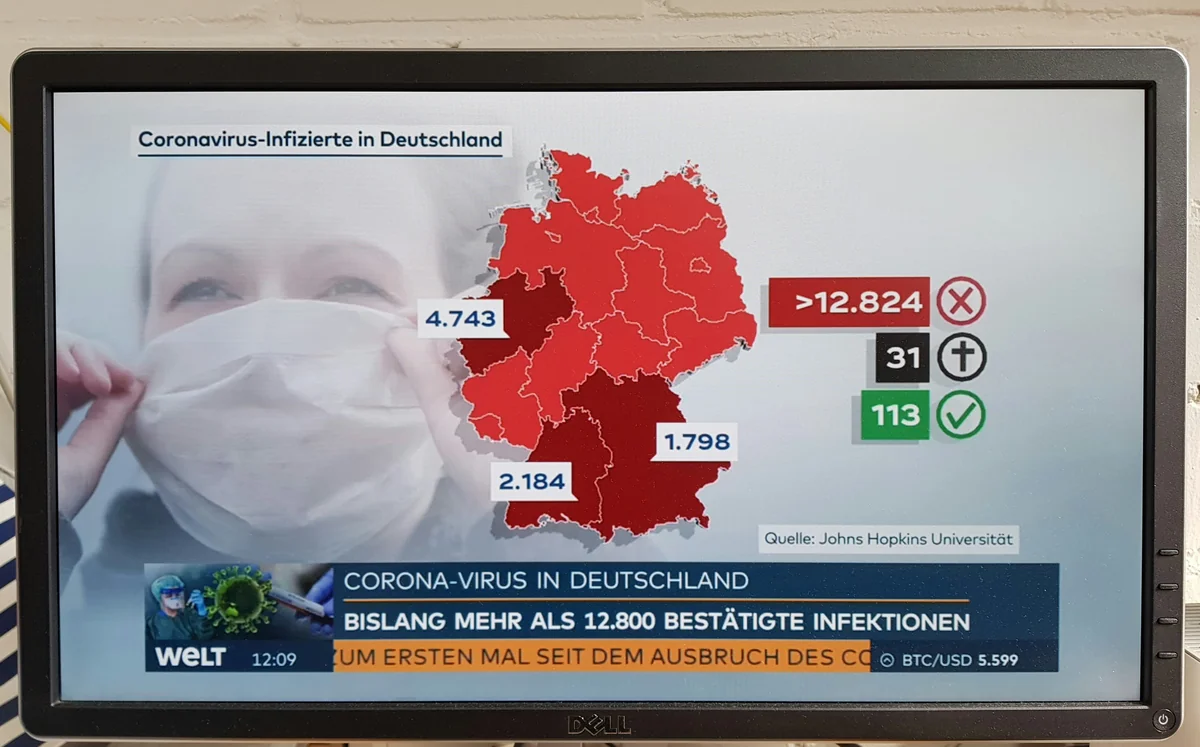
Coronavirus - iptv germany
Photo by Afaq Ahmed Zahid on Unsplash

IPTV stands for Internet Protocol Television, which means television content is delivered through the internet instead of traditional terrestrial, cable, or satellite signals. Rather than depending on fixed broadcasting systems alone, viewers can stream live channels, replay programs, and access video libraries across multiple connected devices.

The rise of this is tied to several market trends. First, broadband infrastructure has improved significantly across many parts of the country. Faster internet makes high-definition and even 4K streaming more practical for families who want stable viewing without major interruptions. Second, modern consumers expect flexibility. They want to start a show on a smart TV, continue on a tablet, and check live sports on a smartphone while traveling.

Another reason for the popularity of these is the demand for international and specialized content. Germany has a diverse population, including expats, multilingual households, and viewers with strong interest in foreign leagues, regional networks, and niche entertainment categories. IPTV services can often package these choices more efficiently than older broadcasting methods.

Cost also plays a role. Many viewers compare monthly subscriptions and discover that internet-based television can be bundled with broadband or offered as a standalone package with competitive pricing. Some providers include catch-up TV, cloud recording, and personalized recommendations, which further increases perceived value.

For businesses in hospitality, student housing, and shared living spaces, IPTV can also be attractive because it supports scalable content delivery. Hotels, bars, and serviced apartments often need modern TV solutions that are easy to manage and update.

In practical terms, they appeals to users who want convenience, wide content access, and device compatibility. The market continues to expand because it aligns with changing viewer behavior: people no longer want to be locked into rigid schedules or limited hardware setups.

Key Benefits of IPTV Germany for Viewers

a blue sign with a white arrow pointing to the right - iptv germany
Photo by Wilhelm Gunkel on Unsplash

One of the biggest advantages of the concept is flexibility. Traditional TV often revolves around fixed schedules, while IPTV gives users more control over when and how they watch. Features such as pause, restart, replay, and catch-up TV make the viewing experience more convenient for busy households.

Another major benefit is device support. A single IPTV service may work on smart TVs, Android TV boxes, streaming sticks, smartphones, tablets, laptops, and desktop browsers. This allows families to distribute entertainment across rooms and devices without requiring separate cable infrastructure for every screen.

Content variety is another reason many people choose the approach. Depending on the provider, users may gain access to:

– Local German channels
– International channels
– Sports packages
– Movies and series libraries
– Kids’ programming
– News channels
– Documentary and lifestyle content

For multilingual audiences, this broader selection can be especially valuable. A household in Germany may want German public channels, English entertainment, Turkish programming, Arabic news, or sports from several European leagues. IPTV platforms are often better suited to such mixed viewing needs.

Picture quality can also be excellent, assuming the user has a strong internet connection. Many providers support HD streams, and some offer Full HD or 4K options for selected channels and on-demand libraries. Buffering and lag are generally reduced when the network is stable and the provider has solid server infrastructure.

A less obvious but important advantage is personalization. Some IPTV systems use recommendation engines, user profiles, favorite channel lists, and program reminders. These features improve usability and help viewers discover content more efficiently.

For cost-conscious users, it may provide better value than legacy TV packages. Instead of paying for large bundles filled with channels that no one watches, subscribers can sometimes choose plans that more closely match their interests. Over time, this can create a more efficient entertainment budget.

Finally, IPTV works well with modern digital lifestyles. It complements home internet, mobile apps, and smart-home ecosystems. Users increasingly prefer media systems that integrate smoothly with their existing technology, and IPTV meets that expectation better than many older formats.

The legal side of this is one of the most important issues for consumers. IPTV itself is a legitimate technology. Many recognized telecom, media, and streaming companies use internet-based delivery to provide lawful television services. The legal question depends not on the technology, but on the provider’s licensing and distribution rights.

Berliner Fernsehturm - iptv germany
Photo by vvills_ on Unsplash

In Germany, content rights are taken seriously. Broadcasters, sports leagues, movie studios, and distributors usually license their content for specific regions, platforms, and periods. A lawful IPTV provider must hold the necessary permission to distribute live channels, films, or series to subscribers. If a service offers premium content at suspiciously low prices without transparency, that is a warning sign.

Consumers should look for several indicators before subscribing to a service connected with these:

– Clear company identity and contact details
– Transparent pricing and terms
– Legal payment methods
– Proper app availability on official platforms
– Customer support
– Information about licensing or partnerships
– No unrealistic promises such as “all channels worldwide forever” for a tiny fee

Illegal services may expose users to several risks. First, streams can disappear without warning because unauthorized providers are often unstable. Second, customers may face security threats, including malware, stolen payment data, or unprotected apps. Third, legal enforcement against piracy in Germany can be strict, particularly when rights holders and regulators investigate unauthorized distribution networks.

It is also important to understand that using questionable IPTV sources can lead to poor quality. These platforms often overload servers, resulting in buffering, frozen screens, and unreliable access during major events such as football matches.

For these reasons, anyone researching they should focus on legitimate providers with a strong reputation. Lawful platforms are more likely to deliver consistent quality, better support, and secure payment systems. While legal services may cost more than suspicious alternatives, they reduce long-term risk and provide a much better user experience.

In short, IPTV is legal in Germany when it is offered by properly licensed providers. The safest approach is to choose established companies, verify service details, and avoid offers that seem too good to be true.

How to Choose the Best IPTV Germany Service

Selecting the right the concept provider requires more than comparing price alone. The best option depends on your internet speed, preferred content, devices, and expectations regarding quality and support.

a building with a flag on top of it - iptv germany
Photo by Toru Wa on Unsplash

Start with channel selection. Some viewers only need major German stations and a few entertainment channels, while others want sports, international programming, and premium movie networks. Make a list of must-have channels before reviewing any package. This helps avoid paying for plans that look large on paper but miss your real priorities.

Next, consider compatibility. A good IPTV service should work easily on the devices you already own. Common supported platforms include:

– Smart TVs
– Android TV and Google TV devices
– Amazon Fire TV devices
– Apple TV
– Smartphones and tablets
– Web browsers
– MAG or set-top boxes

When evaluating the approach, look closely at stream quality and server performance. A provider may advertise thousands of channels, but if those streams are unstable, the service becomes frustrating. User reviews, trial periods, and support responsiveness can reveal a lot about real-world performance.

Internet speed matters as well. For standard-definition streaming, lower speeds may be acceptable, but HD and 4K require stronger and more stable connections. Households with several simultaneous users should choose plans with enough bandwidth and a router capable of handling modern traffic efficiently.

Customer support is another key factor. Reliable providers usually offer setup guides, troubleshooting help, billing support, and prompt answers when channels fail. This can be especially important for less technical users who want a smooth installation process.

Pricing should be evaluated in context. The cheapest package is not automatically the best value. Compare features such as:

– Number of simultaneous connections
– Access to video on demand
– Replay or catch-up functionality
– EPG availability
– Trial options
– Recording features
– Contract length and cancellation terms

Security and reputation also matter. The best it services use secure websites, reputable payment systems, and official apps where possible. Avoid providers that rely only on anonymous messaging apps, make aggressive piracy-style claims, or provide no legal information.

A practical approach is to shortlist a few providers, test them if possible, confirm channel availability, and review setup complexity. The ideal service is one that balances legality, quality, usability, and content relevance for your household.

Setting Up IPTV Germany at Home: Devices, Internet, and Tips

Getting started with this is usually straightforward, but the experience depends heavily on having the right equipment and network environment. Before subscribing, check whether your home internet and devices can support stable streaming.

The most important requirement is broadband quality. A fast connection is helpful, but consistency is just as critical. Packet loss, weak Wi-Fi coverage, and overloaded home networks can hurt performance even when advertised speeds appear adequate. If possible, connect your main streaming device by Ethernet for the most stable results.

a view of a city skyline with a tower in the distance - iptv germany
Photo by Vladyslav Melnyk on Unsplash

Many people use these on smart TVs because they provide a simple all-in-one setup. Others prefer dedicated streaming devices such as Fire TV, Android TV boxes, Apple TV, or Google TV products. These devices often offer better app support, smoother interfaces, and easier updates than older television operating systems.

A typical setup process may include the following steps:

  1. Choose a legal IPTV provider.
  2. Create an account and select a plan.
  3. Download the provider’s official app or a compatible player.
  4. Enter login credentials, playlist details, or portal information.
  5. Configure the electronic program guide.
  6. Test live channels and on-demand content.
  7. Adjust video settings for your connection quality.

To get the best performance from they, keep these tips in mind:

– Use a modern router with good range
– Prefer 5 GHz Wi-Fi if Ethernet is not available
– Reduce congestion from large downloads during streaming
– Restart the router and device periodically
– Keep apps and firmware updated
– Use provider-recommended players where possible

Audio and video settings can also improve comfort. Some users prefer enabling frame-rate matching or adjusting resolution manually if automatic settings cause issues. Households with surround sound systems should confirm codec support before choosing hardware.

For families, profile management and parental controls are worth exploring. A well-configured IPTV environment can separate adult and children’s content while making favorite channels easier to access for each user.

Another useful feature in the concept services is the electronic program guide, often called EPG. This allows viewers to browse schedules, see what is currently playing, and plan upcoming viewing more efficiently. Catch-up TV and cloud recording, if available, can further enhance convenience.

If buffering occurs, the first troubleshooting step is to test the internet connection and internal network rather than assuming the provider is always at fault. Many playback problems originate from weak Wi-Fi, outdated devices, or overloaded routers.

With the right setup, IPTV can feel seamless and modern. A stable connection, compatible device, and trustworthy provider create the foundation for a reliable home entertainment experience.

FAQ About IPTV Germany

What is iptv germany?

the approach refers to internet-based television services used in Germany to stream live TV channels, on-demand content, and interactive features through broadband connections instead of traditional cable or satellite systems.

Berlin TV tower - iptv germany
Photo by Martín Castañeda on Unsplash

Yes, it is legal when the provider has proper licensing rights for the channels and content it distributes. Users should avoid suspiciously cheap services that do not clearly explain ownership, licensing, or company details.

What internet speed is needed for iptv germany?

For this, the ideal speed depends on stream quality. Standard-definition streams need less bandwidth, while HD and 4K require stronger and more stable internet. A reliable home network is just as important as raw speed.

Can I watch iptv germany on a smart TV?

Yes, many iptv germany services support smart TVs directly through apps or compatible player software. Some users also prefer external streaming devices for better performance and broader app support.

How do I choose the best iptv germany provider?

To choose the best iptv germany option, compare legal status, channel selection, stream reliability, device compatibility, pricing, customer support, and extra features such as catch-up TV or video on demand.

Is iptv germany better than cable?

For many users, iptv germany offers more flexibility, broader device support, and stronger on-demand features than cable. However, the better option depends on internet quality, viewing preferences, and the reliability of the chosen provider.

Conclusion

As television habits continue to evolve, iptv germany stands out as a practical and flexible solution for modern viewers. It offers convenient access to live channels, replay functions, on-demand libraries, and multi-device streaming that fits the way people actually consume media today. At the same time, choosing the right service requires careful attention to legality, stream stability, device compatibility, and customer support. A legitimate provider with transparent pricing and proper licensing is always the safest path. Whether you are a local household, an international viewer, or someone seeking more control over entertainment options, iptv germany can be an excellent choice when set up correctly and used through trusted platforms.

Fernsehturm Berlin - iptv germany
Photo by Claudio Schwarz on Unsplash

Related Articles

Iptv service Guide: Features, Setup, and Value: Expert Guide - iptv service

iptv service Guide: Features, Setup, and Value: Expert Guide

Introduction

Choosing an it has become a major consideration for viewers who want more flexibility, broader channel access, and on-demand entertainment without relying only on traditional cable or satellite packages. Internet-based television delivery has changed how people watch sports, movies, series, news, and international content across smart TVs, streaming boxes, phones, tablets, and computers.

A reliable this can offer convenience, customization, and multi-device support, but quality varies widely between providers. Streaming stability, channel selection, video resolution, customer support, compatibility, and pricing all matter when comparing options. This guide explains how this type of platform works, what features to prioritize, how to set it up correctly, common issues to avoid, and the factors that help viewers choose a dependable solution for daily entertainment.

What Is an IPTV Platform and How Does It Work?

Man at a tech booth explaining features to a customer indoors with promotional banner. - iptv service
Photo by khezez | خزاز on Pexels

An these delivers television content through internet protocol networks instead of older broadcast, cable, or satellite delivery methods. Rather than depending on fixed infrastructure tied to one television location, users stream content through broadband internet on compatible devices. This creates a more flexible viewing experience and often supports live TV, video on demand, catch-up programming, and recordings.

At a basic level, the provider receives or organizes content streams, encodes them for digital delivery, and makes them available through apps, playlists, portals, or set-top box systems. The viewer connects through an application or player that authenticates the account and displays the channel lineup or content library. Once selected, the stream is transmitted over the internet to the chosen device.

One reason many households explore an they is convenience. Instead of being tied to a single room or a single provider-issued box, users can watch on multiple devices, whether at home or while traveling, depending on account rules and app support. This modern approach better fits how people consume media today.

There are several common content categories available through internet-based television platforms:

– Live television channels
– Movies and TV series on demand
– Catch-up TV for recently aired programs
– Pay-per-view events in some cases
– International and regional channels
– Genre-based packages such as sports, kids, or documentaries

Performance depends heavily on internet quality. Even the best the concept may buffer or reduce resolution if the user’s connection is unstable, overloaded, or too slow for HD or 4K streaming. Wired Ethernet connections often provide better consistency than Wi-Fi, especially for high-bitrate live content.

Another important point is device support. Many providers work with smart TVs, Android TV boxes, Fire TV devices, MAG boxes, smartphones, tablets, and desktop apps. Some require a separate player app, while others offer their own branded application. Before subscribing, users should confirm compatibility with their preferred hardware.

Key Features to Look for When Comparing Providers

A hotel receptionist standing at the front desk in a hotel lobby, ready to assist guests. - iptv service
Photo by abdo alshreef on Pexels

Not every the approach delivers the same level of quality, so comparing features carefully can prevent frustration later. The best choice is not always the cheapest one. Instead, viewers should evaluate value across stability, content availability, ease of use, and long-term reliability.

Channel Selection and Content Depth

A strong it should provide a channel lineup that matches actual viewing habits. Some users need local news and mainstream entertainment, while others prioritize premium sports, international programming, or niche language content. A large list of channels may look impressive, but relevance matters more than raw numbers.

Streaming Quality and Reliability

Buffering is one of the most common complaints in streaming television. A dependable provider should offer stable servers, adaptive streaming, and good uptime during peak viewing hours. If a platform frequently freezes during major live events, the viewing experience quickly becomes frustrating. This is why testing an this through a trial, if available, can be very useful.

Video Resolution Options

Content quality may range from SD to HD, Full HD, and 4K. Resolution, however, depends on both the provider and the source stream. Viewers should also remember that higher resolution requires stronger internet speeds. A provider that claims everything is 4K may not always deliver true ultra-high-definition quality across all channels.

Electronic Program Guide and User Interface

A well-designed interface makes browsing easier. Features like a responsive channel guide, category sorting, search, favorites, recent channels, and parental controls improve usability. An intuitive interface is especially important for families or less technical users who want a simple setup.

Device Compatibility

Before paying for an these, confirm whether it works with existing devices. Some providers perform best on Android-based platforms, while others support broader ecosystems. If a household uses multiple types of screens, cross-device compatibility becomes a major advantage.

Customer Support and Setup Help

Even experienced users sometimes need assistance with activation, login credentials, player configuration, or troubleshooting. Responsive customer support can make the difference between a smooth start and a poor first impression. Helpful setup guides, FAQs, and direct communication channels add real value.

Pricing and Subscription Flexibility

Month-to-month options are often preferable for first-time buyers. Long contracts may seem cheaper, but they increase risk if service quality declines. When reviewing plans, users should compare:

– Number of connections included
– Trial availability
– Monthly versus annual pricing
– Device limitations
– Refund terms
– Included features such as VOD or catch-up

Benefits of Choosing the Right IPTV Option

A high-quality they appeals to viewers because it often offers more control over how, when, and where content is watched. Traditional TV bundles can be rigid and expensive, while internet delivery tends to be more adaptable to modern habits.

Vietnam Post truck navigating a bustling Hanoi intersection on a bright day. - iptv service
Photo by Thang Nguyen on Pexels

One major benefit is flexibility. Users can stream live channels in the living room, continue watching on a tablet in another room, or access content on a phone while traveling. This convenience aligns with households that no longer rely on a single screen for entertainment.

Another advantage of a good the concept is content variety. Many providers include international channels, specialty programming, genre collections, and extensive on-demand libraries that may be difficult to access in one place through conventional television packages. For multicultural homes or viewers with specific interests, this expanded access can be especially valuable.

Cost efficiency is another reason consumers consider internet-based TV solutions. Depending on the provider, plans may cost less than large cable bundles while still delivering a broad lineup. That said, value should be assessed realistically. Lower cost means little if quality is inconsistent or support is poor.

Personalization also improves the experience. Features such as favorites lists, category filtering, watch history, and device-specific apps make daily use more convenient. Some platforms also include time-shifted viewing or catch-up, helping users avoid missing scheduled programs.

For sports fans, movie lovers, and international viewers, the right the approach can consolidate entertainment into one accessible platform. Instead of juggling several separate sources, users may enjoy a more centralized experience. This is particularly useful in homes with varied viewing preferences.

Scalability is worth noting as well. Some services allow additional connections, making it easier for multiple household members to watch simultaneously on different devices. That can be far more practical than sharing one cable box or managing complicated equipment in each room.

In short, the best outcomes usually come from matching features to actual needs. A casual viewer may only need a simple package and easy app support, while a power user may prioritize sports reliability, multi-screen access, and VOD depth. The more closely a provider fits those needs, the more satisfying the subscription becomes.

How to Set Up and Optimize Your Streaming Experience

Setting up an it is usually straightforward, but taking the right steps from the beginning can greatly improve performance. Many playback issues blamed on providers are actually caused by weak home networks, unsupported apps, or device limitations.

Close-up of a blue screen error shown on a data center control terminal. - iptv service
Photo by panumas nikhomkhai on Pexels

Step 1: Confirm Device Compatibility

Before purchasing, check whether the provider supports your smart TV, streaming box, smartphone, tablet, or desktop environment. Some services supply M3U links, Xtream Codes access, or portal URLs that work through third-party players. Others have their own dedicated app. Knowing the setup method in advance prevents confusion.

Step 2: Choose a Reliable Player or App

The user experience often depends on the playback software as much as the provider itself. A quality player should support quick loading, EPG integration, category organization, and stable switching between channels. When evaluating an iptv service, ask which apps are recommended for the smoothest performance.

Step 3: Improve Internet Stability

For HD or 4K streaming, a strong internet connection is essential. Use these optimization tips:

– Prefer Ethernet over Wi-Fi when possible
– Restart your modem and router regularly
– Reduce congestion from large downloads during live viewing
– Place routers in open, central locations
– Upgrade outdated network equipment if needed
– Test connection speeds during peak hours

Step 4: Configure Video and Buffer Settings

Some apps allow users to adjust player buffers, decoder settings, aspect ratio, and stream formats. Small changes can reduce lag or freezing on less powerful devices. If buffering persists, try a different player before assuming the provider is entirely at fault.

Step 5: Organize Content for Faster Access

A feature-rich iptv service may include thousands of channels and a large VOD library. Organizing favorites, hiding unused categories, and customizing the guide can save time and make navigation much easier. This is especially helpful for families who want a cleaner interface.

Step 6: Keep Apps and Devices Updated

Streaming apps, operating systems, and firmware updates can improve compatibility and playback stability. Outdated software may cause login errors, black screens, or audio-sync issues. Regular updates help maintain a smoother experience over time.

Common Setup Mistakes to Avoid

Many new users encounter problems because of avoidable errors, such as:

– Entering credentials incorrectly
– Using unsupported or low-quality apps
– Running streams on overloaded devices
– Expecting poor Wi-Fi to handle 4K playback
– Ignoring provider setup instructions
– Choosing plans without enough simultaneous connections

By taking a few extra minutes to optimize the environment, most users can get better performance from their subscription and avoid unnecessary frustration.

Common Problems, Safety Considerations, and Smart Buying Tips

Selecting an iptv service requires more than comparing price and channel count. Buyers should also think about stability, transparency, privacy, and long-term satisfaction. A flashy offer can look appealing initially but disappoint later if the provider lacks support or technical consistency.

Common Streaming Problems

A relaxed scene at home with a person enjoying popcorn while watching a VPN-protected TV. - iptv service
Photo by Stefan Coders on Pexels

Users may run into buffering, login failures, channels that temporarily go offline, mismatched EPG data, or app crashes. Not every issue means the service is poor. Sometimes the source channel has a temporary problem, or the user’s home network is the main cause. Still, if disruptions happen constantly, it may indicate weak infrastructure.

Trial Periods Matter

If available, a test period is one of the smartest ways to evaluate an iptv service before committing. Trials let users check stream stability, app compatibility, content relevance, and general ease of use on their own devices and network. Real-world testing is far more useful than relying only on marketing claims.

Evaluate Support Responsiveness

Before buying, see whether the provider offers clear setup instructions, contact options, and timely responses. Good support is especially important for first-time users who may need help connecting apps, loading playlists, or resolving playback issues.

Read Reviews Carefully

Reviews can be helpful, but they should be interpreted cautiously. Look for patterns rather than one-off praise or complaints. If many users mention sudden outages, billing issues, or poor support, those are meaningful warning signs. On the other hand, repeated positive comments about uptime and responsiveness can be encouraging.

Compare Value, Not Just Price

A very cheap iptv service may be tempting, but low cost alone does not guarantee good value. Consider what is included in the subscription:

– Live channels
– On-demand library
– Number of devices
– Catch-up support
– EPG quality
– Streaming consistency
– Customer assistance

A slightly higher monthly fee may be worthwhile if the platform is significantly more stable and easier to use.

Protect Your Network and Devices

As with any app-based streaming setup, users should download players from trusted sources, keep devices updated, and avoid sharing account details casually. Good digital hygiene helps reduce risks related to login misuse or compromised apps. Strong passwords and secure home networks are simple but important precautions.

Choose Based on Your Viewing Priorities

Different users have different needs. Families may want broad entertainment and kids’ programming. Sports fans may need dependable live-event performance. International viewers may care most about language-specific channels. The ideal provider is the one that consistently supports your actual habits rather than offering the biggest headline numbers.

FAQ About IPTV

What is an iptv service?

An iptv service is a television streaming solution that delivers live channels and on-demand content over the internet instead of traditional cable, satellite, or antenna systems. Users can usually access it through smart TVs, streaming devices, mobile apps, or computers.

Accessible transportation van prepared for boarding with driver assistance in urban environment. - iptv service
Photo by DΛVΞ GΛRCIΛ on Pexels

What internet speed do I need for an iptv service?

For a smooth iptv service experience, speed requirements depend on video quality. Standard definition may work on lower speeds, while HD and 4K need faster, more stable connections. In most cases, a reliable broadband connection with low congestion is more important than peak advertised speed alone.

Can I use an iptv service on multiple devices?

Many providers allow multi-device access, but rules vary. Some subscriptions include one connection, while others offer multiple simultaneous streams. Before subscribing to an iptv service, check whether your plan supports the number of screens your household needs.

Why does my iptv service keep buffering?

Buffering can be caused by weak Wi-Fi, network congestion, limited device performance, app issues, or server-side strain during peak times. To improve iptv service performance, try using Ethernet, restarting your router, testing another player, and reducing other bandwidth-heavy activity on your network.

How do I choose the best iptv service?

The best iptv service depends on your priorities, including channel selection, streaming reliability, app compatibility, support quality, and pricing. A short trial, if available, is one of the best ways to compare actual performance before making a longer commitment.

Conclusion

Finding the right iptv service requires balancing content variety, streaming stability, device compatibility, ease of setup, and overall value. While many options may appear similar at first glance, the best choice is the one that matches your viewing habits and performs reliably on your preferred devices and home network.

Before subscribing, focus on practical factors such as relevant channels, app support, internet requirements, customer assistance, and trial access. A dependable iptv service can deliver a flexible and convenient entertainment experience across multiple screens, making it a strong option for modern viewers who want more control over how they watch television.

Tablet displaying streaming services on a laptop, illustrating digital entertainment setup. - iptv service
Photo by Pixabay on Pexels

Related Articles

M3u iptv: Complete Guide to Setup, Use, and Safety - m3u iptv

m3u iptv: Complete Guide to Setup, Use, and Safety

Introduction

Streaming has changed how people watch live TV, sports, movies, and on-demand content. One term that appears often in this space is it, especially among users looking for flexible playlist-based streaming solutions. At its core, this format helps media players organize and access channels or streams through a simple text-based playlist file. Because it can work across smart TVs, phones, tablets, computers, and dedicated streaming boxes, it has become popular with beginners and advanced users alike.

In this guide, you will learn what this means, how it works, how to set it up on different devices, what features matter most, and what safety and legal considerations you should keep in mind. Whether you are exploring playlists for the first time or trying to improve your viewing experience, this article provides a practical and comprehensive overview.

What Is m3u iptv and How Does It Work?

A person holding a remote while watching soccer on TV with beer and snacks on the table. - m3u iptv
Photo by JESHOOTS.com on Pexels

these refers to the use of M3U playlist files for Internet Protocol Television streaming. An M3U file is essentially a plain text file that contains links to media streams. Rather than storing the actual video content, it points a compatible player toward the source of live channels, radio stations, or video-on-demand items.

The basic idea is simple. A playlist includes stream URLs, channel names, and sometimes metadata such as logos, categories, and electronic program guide information. When a user loads the playlist into an IPTV player, the app reads those links and displays them in an organized interface. From there, the user can select a channel and begin streaming over an internet connection.

A standard playlist may include lines that identify channel information followed by the direct stream URL. Many IPTV players can also support EPG integration, catch-up content, parental controls, favorites, and search tools. That makes playlist-based viewing much more convenient than manually entering stream links one by one.

One major reason they remains widely used is compatibility. Many apps and platforms recognize the M3U format, making it easy to move from one device to another. If you switch from a smartphone app to a smart TV player, you may often use the same playlist link or file.

Another important point is that playlist quality depends heavily on the source. A well-maintained provider may offer cleaner categories, stable servers, updated channels, and accurate guide data. A poor-quality source may result in buffering, broken links, mislabeled channels, or low-resolution video. This is why users often focus not just on player apps, but also on playlist reliability and maintenance.

In practical terms, the process looks like this:

  1. Get an M3U file or M3U URL.
  2. Open an IPTV-compatible app.
  3. Add the playlist to the app.
  4. Allow the app to load channels and metadata.
  5. Browse and stream content.

Because of this straightforward setup, the concept has become a common option for people who want a customizable way to watch streaming television across multiple devices.

Benefits of Using m3u iptv for Streaming

A modern home setup with a smart TV and tablet displaying various streaming apps, highlighting the digital lifestyle. - m3u iptv
Photo by Jakub Zerdzicki on Pexels

There are several reasons users prefer the approach over more limited streaming methods. The biggest advantage is flexibility. Instead of relying on one closed platform, users can choose from many apps, devices, and playlist sources.

Broad Device Compatibility

M3U playlists can often be used on:

– Android phones and tablets
– iPhones and iPads
– Smart TVs
– Fire TV devices
– Android TV boxes
– Windows PCs
– Mac computers
– Streaming set-top boxes

This broad support makes it convenient for households that use several platforms.

Easy Playlist Management

Because the M3U format is simple, managing playlists is relatively easy. You can import a local file, paste a playlist URL, or update an existing source without rebuilding everything from scratch. Some apps even refresh channels automatically when the source playlist changes.

Organized Channel Access

A good IPTV player can sort content into categories such as sports, entertainment, news, kids, and international channels. This improves usability and helps users quickly find what they want to watch. With a properly formatted playlist, it setups can feel polished and user-friendly.

Potential Cost Efficiency

Compared with some traditional cable or satellite packages, internet-based playlist streaming may offer a more affordable path to content access. Costs vary based on the service, app, and features, but many users are drawn by the potential savings and customization.

Support for Extra Features

Many players that support M3U also include:

– EPG or TV guide support
– Favorites lists
– Search functions
– Multi-screen viewing
– External player support
– Catch-up TV in supported cases
– Subtitle settings
– Recording options in some apps

These features can significantly improve the overall streaming experience.

Portability and Convenience

If you travel often or want access on multiple screens, this can be convenient. You may use the same playlist on a home television, a laptop during travel, and a phone when away from home, depending on the provider’s allowed usage terms and device support.

Customization Options

Some advanced users appreciate being able to edit playlists, remove unwanted categories, rename channels, or combine sources. While this is more technical, it is one of the strengths of the M3U format. It offers a level of control that many locked streaming services do not provide.

Overall, the popularity of these comes from its balance of flexibility, convenience, and broad player compatibility. For users who want control over how they access streaming content, it remains one of the most practical playlist formats available.

How to Set Up m3u iptv on Different Devices

Setting up they is usually straightforward, though the exact steps depend on the app and device you use. In most cases, you need a playlist URL or file, a compatible player, and a stable internet connection.

Close-up of a hand holding a remote control in front of a TV showing a football match. - m3u iptv
Photo by Soumith Soman on Pexels

1. Choose a Compatible IPTV Player

Before anything else, you need an app that supports M3U playlists. Popular player categories include:

– Smart TV IPTV apps
– Android media players
– iOS IPTV apps
– Desktop media players
– Cross-platform streaming software

When choosing a player, look for support for playlist URLs, EPG integration, easy navigation, and regular updates.

2. Get Your Playlist Information

You typically receive either:

– An M3U file you download and upload
– An M3U URL you paste into the app
– Sometimes additional EPG information

Store these details securely. If your provider updates playlist credentials or server links, you may need to refresh them later.

3. Set Up on Smart TVs

For smart TVs, download an IPTV player from the app store available on your television platform. Open the app and look for an option such as:

– Add playlist
– Load M3U URL
– Upload file
– Add source

Paste the playlist URL or enter the account information as required. After loading, the app should display the channel groups.

4. Set Up on Android Devices

On Android phones, tablets, or TV boxes, install a trusted IPTV player from a reputable app source. Open it, choose the playlist import option, and then either upload the file or paste the URL. Once synced, channels should appear in categories. This is one of the most common ways to use the concept because Android supports many flexible media apps.

5. Set Up on iPhone or iPad

On iOS, the process is similar. Install a compatible player, then import the playlist. Some apps also let you connect cloud storage so you can load files more easily. If your app supports EPG, add the guide URL for a more complete viewing interface.

6. Set Up on PC or Mac

Desktop users can rely on media players or IPTV software that supports network streams and playlists. Open the app, locate the playlist option, and add the M3U file or URL. On computers, users often benefit from easier keyboard search, better playlist editing, and larger-screen channel organization.

7. Optimize Your Connection

Once your playlist is loaded, test stream stability. If channels buffer often, check:

– Internet speed
– Wi-Fi signal strength
– Router performance
– VPN usage if applicable
– Device memory or app performance
– Playlist/server stability

A wired connection is often best for high-resolution live streaming.

8. Add EPG and Favorites

To improve usability, add EPG data if available and save your favorite channels. This can turn a basic playlist into a much more polished television experience.

9. Troubleshoot Common Issues

If your setup does not work immediately, check the following:

– Is the playlist URL entered correctly?
– Has the provider changed the source link?
– Does the app support the playlist format?
– Is the internet connection stable?
– Are categories taking time to load?
– Is the stream blocked or expired?

For many users, the approach setup becomes easy after the first successful installation. Once you understand the app interface and playlist import method, future updates usually take only a few minutes.

While it can be useful and convenient, users should also think carefully about safety, privacy, quality control, and legality. Not every playlist source is trustworthy, and not every stream is authorized for distribution.

A relaxed scene at home with a person enjoying popcorn while watching a VPN-protected TV. - m3u iptv
Photo by Stefan Coders on Pexels

Use Legitimate Sources

The first and most important rule is to use legitimate and properly licensed services. Streaming content without authorization may violate local laws, platform terms, or intellectual property rights. Always verify that the service you use has the right to distribute the channels or media offered.

Protect Your Personal Information

Be careful when signing up for any IPTV-related service. Avoid sharing unnecessary personal details, and be cautious with providers that request unusual permissions or payment methods that offer no buyer protection. A trustworthy service should have clear support information, transparent policies, and secure billing practices.

Choose Trusted Apps

Only install player apps from reputable sources. Unverified apps may contain malware, excessive tracking, or security risks. Before installing, check reviews, update frequency, privacy policies, and publisher credibility.

Watch for Red Flags

Some warning signs include:

– Extremely unrealistic content claims
– Very low prices with no explanation
– No support contact details
– Broken websites or copied branding
– Constantly changing domains
– Requests for suspicious app sideloading
– Poor playlist maintenance

A reliable this experience depends on both the player and the source being trustworthy.

Keep Software Updated

Updates can fix bugs, improve playback, and patch security issues. Make sure your player app, operating system, and device firmware are current. This is especially important on streaming boxes and smart TVs that may be exposed to online threats.

Use Strong Network Security

Protect your home network with:

– Strong Wi-Fi passwords
– Updated router firmware
– Secure DNS settings
– Device access controls
– Network monitoring if available

These steps help reduce the chance of unauthorized access or performance problems.

Understand Performance Limitations

Even with a high-quality playlist, performance can vary based on internet traffic, server load, device power, and geographic distance from the streaming source. If buffering occurs, it does not always mean the app is broken. Sometimes the issue is simply network congestion or weak infrastructure.

Learn the Difference Between Player and Provider

Many beginners confuse the IPTV player with the content source. The player is just the software used to open the playlist. The provider or playlist source delivers the channel links. If channels disappear or stop working, the problem may come from the source rather than the app.

Respect Regional Rules

Media laws differ by country and region. Before using any streaming source, learn the regulations that apply where you live. This is especially important for live television, sports rights, and premium content.

By approaching these with caution and awareness, users can enjoy a better experience while reducing legal, technical, and security risks.

FAQ About m3u iptv

What is m3u iptv in simple terms?

m3u iptv is a method of streaming television or media using an M3U playlist file or URL. The playlist contains links to channels or streams, and an IPTV player reads those links so you can browse and watch content.

A collection of vintage televisions featuring static and color test patterns on the screens. - m3u iptv
Photo by Marshal Yung on Pexels

m3u iptv itself is just a format and is not illegal on its own. Legality depends on whether the content source has the proper rights and licenses to distribute the channels or media. Always use authorized services.

What devices support m3u iptv?

Many devices support m3u iptv, including smart TVs, Android phones, iPhones, tablets, Fire TV devices, Android TV boxes, Windows PCs, and Mac computers. You simply need a compatible player app.

Do I need a special app for m3u iptv?

Yes, you usually need an IPTV player or media app that can open M3U files or URLs. Different apps offer different features such as EPG support, favorites, recording, or category organization.

Why is my m3u iptv playlist buffering?

Buffering can happen for several reasons: slow internet, weak Wi-Fi, overloaded servers, poor playlist quality, outdated apps, or device performance issues. Testing on another network or device can help identify the cause.

Can I use one playlist on multiple devices?

In many cases, yes, but this depends on the provider’s terms. Some services allow multiple devices, while others limit simultaneous connections. Check usage rules before sharing or installing the same playlist elsewhere.

How do I update an M3U playlist?

Most apps let you refresh the playlist manually or automatically. If the provider changes the playlist URL or credentials, you may need to re-enter the source. Keeping playlist data current helps maintain stable access.

Is m3u iptv better than traditional cable?

That depends on your needs. m3u iptv can offer more flexibility, device compatibility, and customization, while traditional cable may provide a simpler plug-and-play experience with established support. The best choice depends on budget, viewing habits, and service quality.

Conclusion

m3u iptv has become a widely recognized solution for users who want flexible, playlist-based television streaming across many devices. Its appeal comes from simple playlist management, broad app compatibility, customizable channel organization, and the ability to access content through a user-friendly player. At the same time, success with this setup depends heavily on the quality of the playlist source, the stability of your internet connection, and the app you choose.

If you plan to use m3u iptv, focus on legitimate services, trusted apps, strong network security, and realistic expectations about performance. With the right setup and careful source selection, it can provide a convenient and efficient way to enjoy live channels and streaming media in a format that is both portable and adaptable.

Hand holding remote control pointing at a blurred TV screen in a cozy indoor setting. - m3u iptv
Photo by Atlantic Ambience on Pexels

Related Articles

Iptv 4k: Best iptv 4k Streaming Guide: Features, Setup, and Tips - iptv 4k

iptv 4k: Best iptv 4k Streaming Guide: Features, Setup, and Tips

Introduction

The rise of it has changed how people watch television, live sports, movies, and on-demand content at home. Instead of relying only on traditional cable or satellite services, many viewers now prefer internet-based streaming for better flexibility, broader device support, and sharper picture quality. With ultra-high-definition displays becoming common, demand for 4K-ready streaming options has grown quickly.

Choosing the right this experience, however, takes more than finding a service with a large channel list. Streaming quality, internet speed, device compatibility, app support, and legal considerations all matter. In this guide, you’ll learn what makes 4K IPTV different, what equipment you need, how to improve performance, and what to evaluate before selecting a provider for long-term viewing satisfaction.

What Is IPTV and Why 4K Matters

Pluto TV,Pluto TV Logo,Pluto TV Logotype,Streaming - iptv 4k
Photo by BoliviaInteligente on Unsplash

Internet Protocol Television, or IPTV, delivers TV channels and video content through an internet connection rather than traditional broadcast formats. This model allows users to stream live channels, replay content, and access video libraries through apps on smart TVs, media boxes, smartphones, and computers. As home entertainment technology has evolved, these has become especially appealing to viewers who want a more cinematic and detailed picture.

The “4K” label refers to ultra-high-definition resolution, typically 3840 x 2160 pixels. Compared with Full HD, 4K offers significantly greater detail, improved texture, and a sharper overall image, especially on larger screens. When supported by a stable network and a quality content source, they can provide highly immersive viewing for sports, nature documentaries, movies, and premium entertainment channels.

One key reason viewers switch to IPTV is flexibility. Traditional TV often limits users with hardware requirements, fixed packages, and fewer customization options. IPTV opens access across many platforms, making it easier to watch at home or while traveling. When paired with 4K content, the result can feel like a major upgrade in both convenience and visual performance.

Still, not every service advertising 4K delivers the same quality. Some providers upscale lower-resolution content, while others offer native 4K streams with better bitrates and stronger encoding. That is why consumers should look beyond marketing claims and evaluate actual stream stability, compression quality, and the provider’s infrastructure. A true the concept setup depends on both content quality and delivery reliability.

Another major benefit is access to features beyond live television. Many IPTV platforms include electronic program guides, catch-up TV, cloud recording options, and video-on-demand libraries. This makes internet television more interactive and personalized than traditional channel surfing. For households seeking a modern media experience, the approach is often part of a broader shift toward smarter, app-based home entertainment.

How to Choose the Best IPTV 4K Service

Watch your favourite sports on ESPN!


<p>Via techdaily.ca | #streaming #hulu #netflix #amazonprime  – iptv 4k” /><figcaption>Photo by Tech Daily on <a href=Unsplash

Selecting a provider requires careful research because the market is crowded and quality varies widely. At first glance, many services appear similar, but differences in uptime, app quality, support, and legal compliance can significantly impact your experience. If you want dependable it streaming, start by evaluating the provider’s reputation and transparency.

A trustworthy service should clearly explain supported devices, package options, subscription pricing, and available features. It should also provide customer support channels and realistic performance expectations. Be cautious of providers that make extreme claims, such as unlimited channels with perfect uptime at unusually low prices. In many cases, these promises do not hold up in real-world use.

Content quality is one of the most important considerations. A provider may list 4K channels, but that does not always mean the streams are stable or truly ultra-high-definition. The best this services maintain consistent bitrate delivery, minimize buffering, and use efficient encoding that preserves image detail. Looking for user reviews and test options can help you verify whether the service performs as advertised.

Device compatibility also matters. Some services work best on Android TV boxes, while others support smart TVs, Apple TV, Fire TV, tablets, and mobile phones. A good provider should either offer a dedicated app or support popular IPTV players through standard playlist formats. Before paying for a subscription, make sure the service aligns with the devices you actually use every day.

The user interface is another overlooked factor. Even when channel selection is strong, a poor app design can make navigation frustrating. Search tools, favorites lists, category organization, and program guide accuracy all influence how enjoyable the service feels. In a premium these environment, ease of use should match the high visual quality.

It is also wise to review trial availability. Short test periods let you evaluate startup speed, stream consistency, and content organization before committing to a longer plan. This is especially useful if you plan to watch live sports or high-demand events where performance often drops under heavy traffic. A solid trial can reveal whether the they service can handle peak viewing times.

Finally, consider legality and licensing. Not all IPTV services operate within proper distribution rights. Users should choose legitimate providers that have the authority to distribute content in their region. This reduces risk, improves service stability, and supports a more sustainable viewing ecosystem.

Devices, Internet Speed, and Setup Essentials

To enjoy 4K streaming properly, your equipment must be capable of handling higher bandwidth and modern video codecs. Buying a subscription alone is not enough. The performance of the concept depends on the combined strength of your internet plan, home network, streaming device, and display.

Glitchy red background with digital artifacts and text elements. - iptv 4k
Photo by Egor Komarov on Unsplash

Start with your television. A true 4K TV is necessary to fully benefit from ultra-high-definition content. If your display is only Full HD, a 4K stream may still work, but you will not see the full resolution advantage. HDR support can further improve color, contrast, and brightness, especially when paired with premium streaming content.

Next is the streaming device. Smart TVs can run IPTV apps directly, but dedicated streaming hardware often performs better. Android TV boxes, Apple TV, Amazon Fire TV devices, and other modern media players tend to offer smoother navigation and broader app support. For a reliable the approach setup, choose hardware with sufficient processing power, codec support, and memory.

Internet speed is critical. While exact needs vary by provider and compression method, 4K streaming generally benefits from at least 25 Mbps of stable download speed per stream. Homes with multiple users, gaming devices, or simultaneous streams may need significantly more. A high-speed package helps, but consistency matters just as much as raw speed.

Whenever possible, use a wired Ethernet connection instead of Wi-Fi. Wireless networks can suffer from interference, signal loss, and bandwidth fluctuations, especially in larger homes or apartment buildings. Ethernet typically provides lower latency and greater stability, which is especially valuable for it live channels and sports broadcasts.

Router quality should not be ignored. An older router may bottleneck your connection even if your internet plan is fast. Dual-band or Wi-Fi 6 routers can improve network handling across multiple devices. If Ethernet is not practical, placing your router closer to the TV or using a mesh system may help maintain smoother streaming.

App setup is another important step. Some IPTV providers offer their own application, while others require users to install a compatible player and load account credentials or playlist information. During setup, it helps to organize favorite channels, configure video settings, and enable any available buffering controls. A properly configured this app can make daily use much easier.

You should also keep firmware and apps updated. Streaming issues can come from outdated software, unsupported codecs, or bugs fixed in later versions. Regular updates improve security, stability, and playback efficiency. Combined with a good network and modern hardware, these steps create a much stronger foundation for dependable 4K entertainment.

Benefits and Common Challenges of IPTV 4K

There are many reasons viewers are drawn to IPTV in ultra-high-definition. The biggest advantage is picture quality. On a large screen, crisp detail can make sports more exciting, movies more immersive, and documentaries more lifelike. For many households, these delivers a premium visual experience that feels noticeably better than standard HD.

black red green blue and yellow abstract painting - iptv 4k
Photo by boris misevic on Unsplash

Flexibility is another major benefit. Unlike traditional TV systems, IPTV allows users to watch content on different devices and often from different locations. You can move from a smart TV in the living room to a tablet in the bedroom or a smartphone while traveling. This convenience is one reason they appeals to modern users who want entertainment without rigid hardware limitations.

Content variety also plays a role. Many providers combine live channels, international content, on-demand libraries, and replay functions in one platform. That can reduce the need for multiple separate subscriptions. Depending on the service, viewers may gain access to niche programming, specialty sports, or regional channels not easily found through traditional providers.

However, there are also challenges. The most common issue is buffering. 4K content demands more bandwidth than lower-resolution streams, so weak internet connections or overloaded servers can interrupt playback. Even the best the concept setup can struggle if the provider lacks strong infrastructure during peak usage periods.

Another challenge is content inconsistency. Some channels may look excellent, while others advertised as 4K are merely upscaled from lower resolutions. This can disappoint users expecting uniform ultra-high-definition quality. It is important to understand that the source content, encoding, and transmission quality all affect the final image.

Compatibility can create problems too. Not every app works well on every device, and some users encounter audio sync errors, codec limitations, or interface issues. Testing your preferred hardware before long-term commitment helps avoid frustration. In many cases, an external streaming box solves issues that a built-in smart TV app cannot.

Legal and regional restrictions may also complicate access. Some services work differently depending on licensing agreements or location. Viewers should confirm that the provider is authorized to distribute content where they live. Choosing a legal the approach service generally improves reliability, customer support, and long-term access.

Despite these challenges, most issues can be managed with proper planning. Selecting a reputable provider, using good hardware, maintaining a stable network, and understanding realistic expectations can dramatically improve the experience. For users who value image quality and streaming flexibility, the benefits often outweigh the drawbacks.

Tips to Improve IPTV 4K Streaming Performance

Even with a good subscription, performance optimization is essential. Small technical adjustments can make a major difference in startup time, picture stability, and overall viewing quality. If your it streams buffer or drop in quality, the first step is to test your internet speed at the device you are actually using, not just near the router.

If the speed is lower than expected, reboot your modem and router, reduce network congestion, or contact your internet provider. Streaming performance often improves when other high-bandwidth activities, such as large downloads or cloud backups, are paused during viewing sessions. Prioritizing video traffic through router Quality of Service settings may also help.

a bunch of different colored pictures on a wall - iptv 4k
Photo by David Pupăză on Unsplash

Using Ethernet instead of Wi-Fi remains one of the best upgrades for stability. If you must use wireless, connect to the 5 GHz band when possible for higher throughput at shorter distances. For demanding this viewing, especially live sports, reducing interference can prevent the buffering spikes common on crowded networks.

You should also adjust app settings if available. Some players allow changes to stream buffer size, decoder options, aspect ratio handling, and hardware acceleration. Experimenting carefully can improve playback on certain devices. Just make one change at a time so you can clearly identify what helps.

Close unnecessary background apps on your streaming device. Low-memory devices can slow down when too many processes are active. Restarting the device occasionally clears temporary issues and can restore smoother operation. If problems continue, uninstalling and reinstalling the IPTV app may resolve corrupted settings or outdated configurations.

Another useful step is testing different servers or stream links if your provider offers them. Sometimes a specific feed is overloaded while an alternate source performs better. Reputable services often include backup options, which can be especially valuable during major events. A well-managed these provider should have redundancy in place for popular channels.

DNS settings may also affect responsiveness, especially when loading channel lists or program guides. Switching to a reliable public DNS can improve lookup speed in some cases. While this will not fix poor source quality, it may enhance app responsiveness and reduce loading delays.

Finally, manage expectations around peak hours. Even excellent streaming systems can face strain during globally popular sports matches or new release events. Planning ahead, logging in early, and testing the stream before the event begins can reduce frustration. Consistent performance comes from a combination of good infrastructure, smart setup, and proactive maintenance.

FAQ

What is IPTV 4K?

iptv 4k refers to internet-based television services that deliver content in ultra-high-definition resolution. It combines the flexibility of IPTV with the sharper picture quality of 4K, offering a more detailed and immersive viewing experience on compatible devices and TVs.

graphical user interface - iptv 4k
Photo by Shutter Speed on Unsplash

What internet speed do I need for IPTV 4K?

For smooth iptv 4k streaming, a stable download speed of at least 25 Mbps per active stream is commonly recommended. If multiple people in your home stream, game, or download at the same time, you may need a much faster plan to avoid buffering.

Can I watch IPTV 4K on a smart TV?

Yes, many smart TVs support IPTV apps directly, but performance depends on the TV’s operating system and hardware. For the best iptv 4k experience, some users prefer a dedicated streaming device such as an Android TV box, Apple TV, or Fire TV device.

Why does IPTV 4K buffer sometimes?

Buffering can happen because of slow internet, weak Wi-Fi, router limitations, overloaded provider servers, or poor app optimization. Improving your home network and choosing a reputable iptv 4k provider usually reduces these issues significantly.

Legality depends on the provider and whether it has proper rights to distribute the content in your region. Users should always choose legal iptv 4k services from authorized companies to ensure better reliability, support, and compliance.

Is IPTV 4K better than cable?

For many users, iptv 4k offers more flexibility, broader device support, and better customization than traditional cable. However, the better option depends on your internet quality, content preferences, and whether you value streaming convenience over conventional broadcast reliability.

Conclusion

The growing popularity of iptv 4k reflects a larger shift in home entertainment toward internet-first, high-resolution viewing. With the right provider, device, and network setup, users can enjoy impressive picture quality, flexible access across screens, and features that go beyond traditional television. At the same time, success depends on careful selection, realistic expectations, and ongoing performance optimization.

Before subscribing, compare service quality, test compatibility, confirm legality, and make sure your internet connection can handle ultra-high-definition streaming. When everything is properly aligned, iptv 4k can deliver a premium entertainment experience that combines convenience, clarity, and control in a way that modern viewers increasingly expect.

Vix,ViX Logo,Streaming - iptv 4k
Photo by BoliviaInteligente on Unsplash

Related Articles

Iptv france: Complete Guide for 2026 Users: A Complete Guide - iptv france

iptv france: Complete Guide for 2026 Users: A Complete Guide

Introduction

it has become a popular topic for viewers who want more flexible access to live channels, on-demand content, and multi-device entertainment. Instead of relying only on traditional cable or satellite delivery, many users now explore internet-based television options for convenience, broader content selection, and easier setup. Whether you want French national channels, sports, movies, or international programming, internet TV services can offer a modern way to watch.

This guide explains how this works, what features matter most, how to choose a reliable provider, what devices are compatible, and what legal and security considerations you should understand before subscribing. By the end, you will have a clear view of the benefits, limitations, and best practices for making an informed decision.

Picturesque streetscape in Amiens, France, showcasing classic European architecture. - iptv france
Photo by Ludovic Delot on Pexels

At its core, IPTV stands for Internet Protocol Television. This means television content is delivered over an internet connection rather than through older broadcast, satellite, or cable systems. In practical terms, users stream live TV channels, series, movies, and catch-up content through apps, set-top boxes, smart TVs, smartphones, tablets, or computers.

The growth of these is tied to several major viewing trends. First, audiences increasingly want on-demand access instead of fixed schedules. Second, many households now use multiple devices, so being able to start watching on a TV and continue on a mobile device is highly attractive. Third, consumers often compare prices carefully and look for services that match their exact entertainment habits rather than paying for oversized bundles.

Another reason for the popularity of they is content variety. Many viewers look for French-language channels, regional programming, premium sports, documentaries, children’s content, and international stations in one place. A good service may also include replay features, electronic program guides, and video-on-demand libraries.

Internet speed improvements have also helped IPTV adoption. Faster broadband and fiber connections make high-definition and even 4K streaming more practical than before. In urban areas especially, stable internet infrastructure supports a better viewing experience with fewer interruptions.

Still, not all IPTV services are equal. Some provide excellent stream stability, responsive support, and well-organized interfaces, while others may suffer from buffering, poor channel management, or unclear service terms. That is why understanding the fundamentals matters before choosing a plan.

How to Choose the Best IPTV Service in France

The iconic Arc de Triomphe stands tall under a bright, cloudy sky in Paris. - iptv france
Photo by Oscar Hernández on Pexels

Selecting the right the concept option requires more than looking at the cheapest subscription. A low price may seem attractive at first, but performance, support, legality, and user experience are far more important over time. Here are the main factors to evaluate carefully.

Channel Selection and Content Quality

Start by reviewing the channel list. Make sure the provider offers the content you actually want, such as French national channels, sports networks, cinema, news, kids’ programming, and international stations. A huge list means little if the channels you care about are missing or unreliable.

Also assess video quality. A good the approach provider should clearly indicate whether streams are available in SD, HD, Full HD, or 4K. Reliable providers optimize streams for smoother playback and maintain consistent uptime during peak viewing hours.

Device Compatibility

Before subscribing, confirm that the service works on your preferred devices. Many users stream on smart TVs, Android TV boxes, Amazon Fire TV devices, smartphones, tablets, MAG boxes, or computers. The best providers support multiple platforms through dedicated apps or compatible playlist formats.

Stability and Server Performance

Buffering is one of the biggest frustrations in internet TV. For that reason, test periods are extremely valuable. If available, use a trial to check stream reliability, channel loading speed, and performance during live events. A quality it service should perform well at different times of day, especially when many users are online.

User Interface and EPG

A modern IPTV experience should include an intuitive interface. Features like organized categories, search functions, favorites, and a detailed electronic program guide make day-to-day viewing much easier. If navigation is confusing, even a large content library can feel frustrating.

Customer Support

Customer service matters more than many people expect. Setup questions, app compatibility issues, and subscription renewals all become easier when the provider offers responsive support through email, chat, or messaging platforms. Review response times and support reputation before making a commitment.

Pricing and Subscription Flexibility

Compare monthly, quarterly, and annual plans, but do not judge only by cost. Consider whether the provider offers trial access, refund policies, multi-connection plans, and transparent billing terms. A slightly higher price may be worthwhile if the service is more stable and better supported.

Benefits and Risks of Using IPTV Services

Like any entertainment solution, this offers advantages and drawbacks. Understanding both sides helps users set realistic expectations and make safer choices.

Capture of Mont Saint-Michel in Normandy during sunset over lush green fields. - iptv france
Photo by Rohit Verma on Pexels

Main Benefits

One major advantage is flexibility. Users can watch content from different devices and locations without being tied to a single television set. This fits modern viewing habits, especially for families and mobile professionals.

Another strong benefit is content access. A well-built these subscription may combine live channels, sports, films, series, and catch-up content in one place. This can simplify entertainment management and reduce the need to switch between multiple services.

Cost efficiency is also a frequent reason people explore IPTV. Compared with some traditional TV packages, internet-based options may offer broader channel access at a competitive monthly rate. For viewers who want international channels in addition to French content, this can be particularly appealing.

Convenience is another plus. Features such as replay, pause support, favorites lists, and EPG integration improve the overall user experience. Instead of scrolling endlessly, viewers can quickly find programs and plan what to watch.

Potential Risks

Despite the benefits, there are risks. Some providers operate with poor infrastructure, leading to buffering, broken channels, or inconsistent uptime. Others may disappear suddenly, leaving users without support or service continuity.

Another issue is legal uncertainty. The they market includes both legitimate and questionable operators. Users should verify that a provider has the right to distribute the content offered. Services that make unrealistic promises, advertise every premium channel at suspiciously low prices, or provide little company information deserve extra caution.

Security and privacy also matter. Unknown apps or unofficial software can expose users to malware, data collection, or payment risks. It is always better to use trusted platforms, secure payment methods, and strong account protection practices.

Finally, IPTV depends heavily on internet quality. Even the best service may struggle if the home connection is unstable, overloaded, or too slow for HD streaming.

Devices, Setup, and Internet Requirements

For many households, one reason the concept feels attractive is the ease of access across different devices. Setup can be simple, but results depend on choosing the right hardware, app, and network conditions.

Patrouille de France jets performing an aerobatic display with colored smoke trails over Paris. - iptv france
Photo by Clement Lepetit on Pexels

Common Compatible Devices

Smart TVs are a popular option because they allow direct streaming through compatible applications. Android TV and Google TV devices are especially flexible, as they often support a wider range of IPTV players.

Streaming boxes and sticks are another common choice. These devices are affordable, portable, and simple to install, making them useful for home or travel. Many users also rely on smartphones and tablets for quick viewing, while others prefer laptops or desktop computers for a larger interface and keyboard control.

Set-top boxes remain relevant too. Dedicated boxes can offer stable performance and remote-friendly navigation, which is ideal for viewers who want a more traditional television experience.

Basic Setup Process

The exact installation depends on the provider and app, but the process is usually straightforward:

  1. Choose a compatible device.
  2. Install a supported IPTV player or official provider app.
  3. Enter login credentials, playlist details, or portal information.
  4. Load the channel list and EPG.
  5. Organize favorites and test playback quality.

A first-time the approach setup usually takes only a few minutes, assuming the login details are correct and the internet connection is stable.

Internet Speed Recommendations

Streaming quality depends on available bandwidth and network stability. As a general guideline:

– SD streaming: around 5 Mbps
– HD streaming: around 10 Mbps
– Full HD streaming: 15-20 Mbps
– 4K streaming: 25 Mbps or more

These are rough estimates, and actual performance can vary based on compression quality, simultaneous devices, and Wi-Fi strength. Whenever possible, use Ethernet for the most stable connection, especially on the main TV.

Improving Performance

If streams buffer often, first test your internet speed. Restarting the router, reducing background downloads, or switching from Wi-Fi to Ethernet may help. Positioning the router better or upgrading to fiber can also improve consistency. In some cases, the problem is not your connection but the provider’s overloaded servers, which is why trials are useful before long subscriptions.

Before paying for any iptv france service, users should understand that legality and reliability are not automatic. A professional website alone does not guarantee that a provider has proper content rights or safe operating standards.

Stunning nighttime aerial cityscape of Paris highlighting iconic landmarks. - iptv france
Photo by Artūras Kokorevas on Pexels

Some IPTV services are fully legitimate and licensed to distribute specific channels or on-demand content. Others may offer access without proper authorization. Because content rights can differ by country, package, and broadcaster, users should check service transparency carefully. Look for clear company details, terms of service, and realistic offers rather than vague promises.

If a provider claims to include nearly every premium sports, film, and international package for an unusually tiny fee, that can be a warning sign. A trustworthy iptv france provider should be clear about what is included and how access is delivered.

Payment Safety

Use secure payment methods and avoid providers that ask for risky or untraceable transfers only. Credit cards, reputable processors, or well-known payment gateways generally offer better consumer protection than anonymous methods.

Data and Device Security

Install apps only from trusted sources whenever possible. Keep devices updated, use strong passwords, and avoid sharing account details unnecessarily. If a provider requires suspicious files or broad device permissions without explanation, proceed carefully.

Smart Buying Tips

To choose more confidently:

– Test the service before subscribing long term
– Read recent independent reviews
– Verify device compatibility
– Check channel uptime and support response
– Compare package details, not just price
– Avoid unrealistic “everything included forever” claims

The best iptv france experience usually comes from balancing affordability with transparency, support quality, and stream reliability.

FAQ About IPTV in France

What is iptv france?

iptv france refers to IPTV services aimed at viewers in France or those seeking French channels and content through internet-based TV delivery. These services may offer live channels, movies, series, and replay features across multiple devices.

Vivid night-time celebration in France with crowds waving flags in city square. - iptv france
Photo by Andrew Taylor on Pexels

Is iptv france legal?

iptv france can be legal if the provider has proper distribution rights for the content it offers. Because not every service operates the same way, users should verify licensing transparency, company information, and service legitimacy before subscribing.

What internet speed do I need for iptv france?

For iptv france, a stable connection is more important than headline speed alone. In general, 10 Mbps may be enough for HD, while Full HD and 4K streams benefit from significantly faster and more stable broadband, especially if several devices are connected at once.

Which devices work best with iptv france?

Many users access iptv france on smart TVs, streaming sticks, Android TV boxes, smartphones, tablets, and computers. The best device depends on your viewing habits, but Ethernet-connected TV devices usually provide the most stable experience.

Why does iptv france sometimes buffer?

Buffering on iptv france may be caused by weak Wi-Fi, insufficient bandwidth, network congestion, or overloaded provider servers. Testing at different times and using a wired connection can help identify whether the issue is local or provider-related.

How do I choose a reliable iptv france provider?

To choose a dependable iptv france provider, check for trial access, stable channel performance, responsive support, compatible apps, transparent pricing, and realistic package claims. Independent reviews can also help reveal long-term service quality.

Conclusion

Choosing the right iptv france service requires careful comparison of content, performance, compatibility, support, and legality. While IPTV can offer flexible access to French and international programming at competitive prices, the overall experience depends heavily on provider reliability and your internet setup. A good service should combine stable streams, clear subscription terms, secure access, and an easy-to-use interface across your preferred devices.

Before committing, take time to test options, confirm device support, and review the provider’s transparency. When approached thoughtfully, iptv france can be a practical and convenient way to enjoy modern television on your own terms.

Enchanting night view of a quaint street in Castellane, Provence-Alpes-Côte d'Azur. - iptv france
Photo by Ad Thiry on Pexels

Related Articles

iptv albania: 15 : Complete Guide to Channels and Setup

Introduction

For viewers looking for flexible and modern television access, it has become a topic of growing interest. Instead of relying only on traditional cable or satellite options, many households now explore internet-based TV solutions that offer broader device compatibility, on-demand features, and access to local and international programming. Whether someone wants Albanian news, sports, movies, or regional entertainment, internet television can provide a convenient alternative when chosen carefully.

This guide explains how this works, what features matter most, how to choose a reliable service, what devices are commonly used, and what viewers should know before subscribing. If you are comparing options for home use, travel, or family entertainment, understanding the basics can help you make a smarter and safer decision.

these refers to internet protocol television services used by viewers in Albania or by Albanian-speaking audiences abroad who want access to relevant TV content through an internet connection. Unlike traditional broadcasting methods, IPTV delivers channels and on-demand media over broadband networks, which can make viewing more flexible and accessible across multiple devices.

One of the main reasons for the popularity of they is convenience. Users can often watch programming on smart TVs, smartphones, tablets, streaming boxes, and computers. This flexibility appeals to modern households that no longer want to depend on a single television set or fixed installation. Families can stream content in different rooms, and travelers can stay connected to familiar Albanian channels while abroad.

Another major advantage is content variety. Many viewers seek local Albanian stations, regional Balkan channels, international news, sports coverage, kids’ entertainment, and movie libraries all in one place. IPTV services may bundle these categories into packages that are easier to manage than separate subscriptions. This is especially attractive to diaspora communities who want regular access to Albanian-language programming.

Cost also influences demand. In many cases, internet television plans can be more affordable than legacy TV contracts, especially when users prefer customizable channel selections instead of large bundles filled with unwanted networks. Combined with features like replay TV, catch-up content, and video on demand, IPTV presents a modern media experience that aligns with how people watch television today.

Still, not all services are equal. Stream quality, reliability, legal status, support, and device compatibility vary significantly. That is why understanding the fundamentals of the concept is essential before choosing a provider.

Key Features to Look for in an IPTV Service

When evaluating the approach, viewers should focus on more than just the number of channels. A long channel list may look impressive, but the real value comes from consistent performance, transparent support, and a user-friendly experience. The best service for one household may not be the best for another, so it helps to compare practical features carefully.

Channel Selection

A good provider should offer a well-organized lineup that matches your interests. For Albanian viewers, that may include local news channels, sports stations, national entertainment, music, kids’ content, and popular regional networks. International channels may also matter for bilingual households or users who want broader entertainment options.

Streaming Quality

Picture quality is one of the biggest factors in satisfaction. Users should look for stable HD or 4K support where available, but quality also depends on internet speed and server stability. Buffering, lag, and random interruptions can quickly ruin the viewing experience. Before committing long-term, many people test a service first to see how well streams perform during peak hours.

Device Compatibility

A strong it service should work across multiple devices. Common options include:

– Smart TVs
– Android TV boxes
– Amazon Fire TV devices
– Smartphones and tablets
– Laptops and desktop computers
– MAG boxes and similar IPTV hardware

The easier it is to install and switch devices, the more useful the service becomes for daily viewing.

Electronic Program Guide

An electronic program guide, or EPG, helps users browse current and upcoming shows. This feature may sound simple, but it can make a huge difference in usability. Instead of scrolling through anonymous streams, viewers can quickly find sports events, films, and scheduled programs.

Catch-Up and Video on Demand

Some services offer replay functions that let users watch previously aired content. Others include movies and series libraries. For busy households, these features increase convenience and reduce the pressure to watch everything live.

Customer Support

Reliable support is often overlooked until something goes wrong. During setup, login issues, playlist updates, and playback errors can happen. Fast and professional help adds significant value and may separate a trustworthy provider from a low-quality one.

Trial Availability

A trial or short-term package can be a smart way to evaluate this before purchasing a longer plan. This gives users a chance to check channel availability, image quality, and overall performance without taking on unnecessary risk.

How to Choose the Right Provider Safely and Legally

Choosing these should involve both performance considerations and legal awareness. While many internet-based TV services operate legitimately, others may offer unauthorized access to protected content. Users should take time to review a provider carefully rather than selecting the first low-cost offer they see online.

Start by looking for transparency. A reliable service usually provides clear information about pricing, plan duration, supported devices, setup instructions, and support channels. If a provider makes unrealistic claims, hides contact details, or refuses to explain its service clearly, that should be considered a warning sign.

Payment safety is another factor. Reputable businesses tend to use secure payment methods and standard checkout practices. If a service insists on unusual or risky payment arrangements without offering clear protection, users should be cautious. Reading customer reviews can also help, though it is important to look for balanced feedback rather than relying only on promotional testimonials.

To assess legality, users should understand that content rights matter. TV channels, films, and sports broadcasts are typically protected by licensing agreements. A legitimate IPTV provider should have proper distribution rights or authorization for the content it delivers. If a service advertises unlimited premium channels from many countries at suspiciously low prices, there may be legal concerns. In that case, it is wiser to avoid the service.

Internet performance should also be considered before subscribing. Even the best they platform cannot deliver good results if the home network is unstable. Users should check their broadband speed, Wi-Fi coverage, and router quality. For the most reliable streaming, an Ethernet connection is often better than wireless, especially for high-definition content.

Finally, compare package flexibility. Monthly plans can be useful for testing a service over time, while longer plans may offer better value if the provider proves dependable. A cautious, informed approach helps users avoid disappointment and improves the chances of finding a service that matches both budget and expectations.

Best Devices and Setup Tips for Smooth Streaming

The experience of using the concept depends heavily on the device and setup environment. Even a strong subscription can feel disappointing if the hardware is outdated or the network is poorly configured. Thankfully, most viewers can improve performance with a few practical choices.

Smart TVs are among the most popular options because they allow direct app installation and easy everyday use. Many users prefer this setup because it removes the need for extra cables or external boxes. However, not all smart TV systems support the same apps, so compatibility should always be confirmed before subscribing.

Streaming devices such as Android TV boxes and Amazon Fire TV products are widely used because they offer flexibility and strong app support. These devices can be especially helpful for older televisions that do not have advanced smart functions built in. They also tend to receive updates more frequently than some TV operating systems.

For users who want a more technical setup, dedicated IPTV boxes can provide a streamlined interface focused on channel browsing and playlist management. Computers, tablets, and phones are useful for portable viewing, but they may not always offer the most comfortable long-form TV experience compared with a television screen.

To get the best results from iptv albania, consider these setup tips:

– Use a stable internet connection with enough speed for HD streaming
– Prefer Ethernet over Wi-Fi when possible
– Restart the router periodically if performance drops
– Keep apps and device software updated
– Avoid overloading the network with too many simultaneous high-bandwidth activities
– Test different players if one app performs poorly
– Check playlist or login details carefully during setup

Another useful tip is to organize favorites after installation. When a service includes many channels, building a custom list saves time and improves the user experience. Parents may also want to review available parental controls if children use the service regularly.

Audio and video settings matter too. Some apps allow stream format changes, subtitle settings, and output adjustments that can improve playback. Spending a few minutes optimizing these details can make daily use much more enjoyable.

Overall, the right hardware and a clean home network setup can significantly improve how iptv albania performs, especially during live sports or peak evening viewing hours.

Common Benefits and Challenges for Albanian Viewers

For many households, iptv albania offers clear advantages over older television models. One major benefit is access. Viewers can often watch Albanian channels from different locations, including while traveling or living abroad. This makes IPTV especially valuable for diaspora communities that want to stay connected to local language, news, culture, and entertainment.

Another benefit is flexibility. Traditional TV packages may lock users into hardware requirements, installation schedules, or limited room access. IPTV can reduce those limitations by making content available on a wider range of devices. Viewers can switch from a living room screen to a phone or tablet with much less friction.

Content personalization is also a strong selling point. Different users in the same household may prefer sports, films, children’s programming, documentaries, or international channels. IPTV services often support broader content choices and on-demand features that match these varied preferences. As a result, viewers get a more customized entertainment experience.

That said, iptv albania also comes with challenges. The biggest is stream reliability. If internet service is weak, unstable, or overcrowded, playback can suffer. Unlike traditional broadcasting, IPTV depends directly on network quality. This means that users in areas with poor broadband infrastructure may face more interruptions.

Service consistency is another concern. Some providers perform well at first but decline over time due to overloaded servers, poor updates, or weak customer support. This is why testing and reviewing provider reputation are important before making a long-term commitment.

There can also be confusion around legality and licensing. Users may see many offers online and assume they are all equivalent, but that is not the case. Choosing a service responsibly protects both the viewing experience and the user’s personal payment security.

In short, iptv albania can deliver excellent value when selected carefully, but success depends on good internet, compatible devices, and a provider that prioritizes quality and transparency.

FAQ About IPTV in Albania

What is iptv albania used for?

iptv albania is commonly used to stream Albanian and international TV channels over the internet on devices such as smart TVs, phones, tablets, and streaming boxes. It is popular among local viewers and Albanian-speaking communities abroad who want flexible access to live TV and on-demand content.

Is iptv albania legal?

The legality of iptv albania depends on the provider and whether it has the rights to distribute the content it offers. Legitimate services operate with proper permissions, while unauthorized providers may violate broadcasting or licensing rules. Users should verify a provider’s legitimacy before subscribing.

What internet speed is recommended for iptv albania?

For iptv albania, a stable broadband connection is more important than speed alone, but a solid connection is essential. Standard definition may work on lower speeds, while HD and 4K content require faster and more consistent performance. Ethernet is often better than Wi-Fi for the most stable experience.

Which devices support iptv albania?

Most iptv albania services support smart TVs, Android boxes, Fire TV devices, smartphones, tablets, computers, and some dedicated IPTV boxes. Device compatibility varies by provider, so it is wise to confirm supported platforms before signing up.

How do I choose the best iptv albania provider?

To choose the best iptv albania provider, compare channel selection, stream stability, support quality, pricing transparency, device compatibility, and user reviews. Trials or short subscriptions can help you evaluate the service before making a larger commitment.

Conclusion

As internet-based viewing continues to grow, iptv albania stands out as an appealing option for people who want more flexibility, wider device support, and access to Albanian and international content. It can be a practical solution for families in Albania, as well as for Albanian speakers living abroad who want to stay connected to familiar programming.

The key to a good experience is choosing carefully. Viewers should evaluate legal reliability, streaming quality, customer support, and device compatibility rather than focusing only on price or channel count. With a dependable provider and a strong home internet setup, iptv albania can offer a convenient and modern way to enjoy television on your own terms.

Related Articles

Trex iptv: 7 Best : Features, Setup, Safety, and Pricing - trex iptv

trex iptv: 7 Best : Features, Setup, Safety, and Pricing

Introduction

In the fast-evolving world of digital entertainment, it has become a topic of growing interest among viewers looking for flexible ways to access live TV, sports, movies, and on-demand content through internet-based streaming. Unlike traditional cable or satellite systems, IPTV platforms deliver programming over an internet connection, giving users more control over what they watch and when they watch it. As more households shift toward connected devices such as smart TVs, streaming boxes, tablets, and smartphones, services in this category continue to attract attention for their convenience and broad content libraries.

This guide explains how this works, what features users typically look for, how setup is handled, what legal and security considerations matter, and how to compare value before subscribing.

What Is trex iptv and How Does It Work?

Small golden T Rex statuette with paper cup on head on cardboard box and on bright yellow background - trex iptv
Photo by Karen Laårk Boshoff on Pexels

At its core, these refers to an internet-based television delivery model that streams channels and media content directly through broadband rather than traditional broadcast, cable, or satellite infrastructure. IPTV stands for Internet Protocol Television, which means content is transmitted using the same underlying network technology that powers websites, apps, and online video platforms.

The appeal of this viewing model is easy to understand. Instead of relying on fixed schedules and hardware-specific access, users often stream content through apps compatible with multiple devices. This can include:

– Smart TVs
– Android TV boxes
– Amazon Fire TV devices
– Smartphones and tablets
– Laptops and desktop computers
– MAG boxes and similar streaming hardware

A typical IPTV service offers one or more of the following categories:

Live TV channels for news, entertainment, sports, and international programming
Video on demand (VOD) for movies and TV series
Catch-up TV that lets users replay previously aired content
Electronic Program Guide (EPG) support for browsing schedules
Multi-device compatibility for viewing across platforms

What makes they especially interesting to many users is the promise of convenience. Instead of being locked into one screen or one method of delivery, subscribers can often watch across home and mobile environments. For people who travel often or prefer streaming on demand, this flexibility can be a major benefit.

However, the actual viewing experience depends on several factors:

  1. Internet speed and stability

A reliable broadband connection is essential. High-definition and 4K streams require stronger speeds and lower network congestion.

  1. Server quality

IPTV performance often varies based on server capacity, regional routing, and maintenance quality.

  1. App compatibility

A service may work well on one app or device but less smoothly on another.

  1. Playlist and portal reliability

Access methods such as M3U playlists or portal credentials need to be maintained consistently for uninterrupted viewing.

Because IPTV is a broad category rather than a single standardized product, users should evaluate any provider carefully. Stream quality, customer support, content consistency, and account stability all play a role in determining whether a service is worthwhile.

Key Features to Look for in trex iptv

A modern desktop displays a streaming service interface, showcasing entertainment options in a minimalist office setting. - trex iptv
Photo by cottonbro studio on Pexels

When evaluating the concept, users often focus first on channel count, but that should not be the only consideration. A strong IPTV experience is usually the result of multiple features working together effectively. Choosing based only on a long list of channels can lead to disappointment if reliability, usability, or support are poor.

Here are the most important features to consider.

1. Channel Selection and Content Variety

A quality service should offer a balanced content lineup, including:

– Local and international channels
– Sports coverage
– Kids’ content
– News networks
– Entertainment channels
– Movie channels
– Regional language programming

For many users, the value of the approach depends on whether it includes the specific content categories they actually watch rather than the total number of channels advertised.

2. Video Quality

Resolution matters. A service may advertise HD, Full HD, or even 4K streams, but actual performance depends on source quality and network delivery. Look for consistency across major channels rather than isolated examples of high-resolution content.

Strong video quality typically includes:

– Minimal buffering
– Stable frame rates
– Clear audio synchronization
– Reliable playback during peak hours

3. Electronic Program Guide

An EPG helps users browse current and upcoming programming in a familiar TV-guide format. Without it, channel surfing can be frustrating. A well-maintained guide improves discoverability and creates a more polished experience.

4. Video on Demand Library

Many subscribers want more than live TV. A useful VOD library includes popular films, TV series, and updated releases organized into searchable categories. The best libraries are easy to navigate and refreshed regularly.

5. Device Compatibility

A major advantage of it is the ability to access content on different devices. Before subscribing, verify support for your preferred setup. Common app and device options include:

– IPTV Smarters
– TiviMate
– XCIPTV
– Smart TVs
– Android devices
– Firestick and Fire TV
– iOS devices
– Web players

6. Multi-Screen or Multi-Connection Options

Some households need more than one simultaneous stream. If multiple people want to watch different content at the same time, ask whether the service includes extra connections or charges separately for them.

7. Customer Support

Responsive support is often overlooked until something stops working. Since IPTV setups can involve playlists, logins, apps, and network troubleshooting, timely assistance can make a major difference.

Look for support that offers:

– Setup guidance
– Billing help
– Technical troubleshooting
– Fast response times
– Clear instructions for common devices

8. Trial Availability

A free or low-cost trial can help verify whether the service performs well on your internet connection and devices. Testing before committing is often the best way to judge reliability.

Ultimately, the best version of this for one user may not be the best for another. Sports fans, international viewers, families, and casual movie watchers all have different priorities. The key is to match features to actual viewing habits.

How to Set Up trex iptv on Different Devices

Setting up these is usually straightforward, but the process depends on the device and app being used. Most providers supply login credentials, playlist URLs, Xtream Codes, or portal details. Once entered into a compatible app, the content library becomes accessible through the app interface.

Cozy living room featuring a large TV displaying Netflix, perfect for entertainment. - trex iptv
Photo by Nicholas Derio Palacios on Pexels

Below is a general overview of the setup process.

Step 1: Choose a Compatible Device

Before doing anything else, decide where you want to watch. Common options include:

– Smart TV
– Android TV box
– Firestick
– Smartphone
– Tablet
– PC or laptop

If you already own a streaming device, make sure it supports one of the IPTV player apps recommended by your provider.

Step 2: Install an IPTV Player App

Most services do not have a universal standalone app. Instead, users install a media player designed for IPTV access. Popular choices include IPTV Smarters, TiviMate, and XCIPTV.

After installation, open the app and select the login method requested by your provider.

Step 3: Enter Login Credentials

The service may provide one of several access types:

M3U playlist URL
Xtream Codes API details
Portal URL with MAC-based setup

Input the data carefully. A single typo can prevent channels and VOD content from loading.

Step 4: Load Channels and VOD

Once credentials are validated, the app usually downloads:

– Live channel groups
– EPG data
– Movie categories
– Series categories

At this point, they should be accessible through the player’s menu, assuming the internet connection is stable.

Step 5: Optimize Playback Settings

To improve streaming performance, consider the following adjustments:

– Use a wired Ethernet connection when possible
– Restart the router before first use
– Close background apps on mobile devices
– Select the proper video player within the app
– Update the app to the latest version

Step 6: Organize Favorites

Most IPTV apps let users create favorites lists, hide unwanted categories, and customize the layout. This helps streamline the experience, especially when large channel libraries are involved.

Common Setup Problems

Even when the steps are simple, users may still encounter issues such as:

– App crashes
– Invalid login errors
– Missing channels
– EPG not loading
– Buffering during playback

These problems can stem from app compatibility, expired credentials, overloaded servers, or local internet limitations. In many cases, switching apps or refreshing account data resolves the issue.

For first-time users, testing the concept on one primary device before configuring multiple screens can make the process easier. Once the service works well on one platform, expanding to others is usually much simpler.

Safety and legality are essential topics whenever users explore the approach or any IPTV-based streaming option. Since IPTV is simply a method of content delivery, the technology itself is not inherently illegal. Many legitimate services use IPTV frameworks to distribute licensed television content over the internet.

Person using VPN on smartphone while watching smart TV at home. - trex iptv
Photo by Stefan Coders on Pexels

The legal issue depends on whether a provider has the rights to distribute the channels, movies, and shows it offers.

A legitimate IPTV service generally has:

– Proper licensing agreements
– Clear business information
– Transparent subscription terms
– Official apps or supported platforms
– Recognizable payment and support channels

By contrast, services that offer premium content at implausibly low prices without clear licensing information may present legal and ethical risks.

Before subscribing to it, it is wise to research:

– Whether the provider discloses company details
– Terms of service and refund policies
– Supported countries and regional limitations
– Public reputation and user reviews
– Payment transparency

Security and Privacy Considerations

Online streaming services can also raise cybersecurity concerns. Any platform that requires account credentials, app downloads, or payment details should be approached carefully.

Best practices include:

– Use strong, unique passwords
– Download apps only from trusted sources when possible
– Avoid sharing personal payment information on suspicious websites
– Keep your device software updated
– Use secure home Wi-Fi with a strong router password

Some users also choose to separate entertainment logins from primary email credentials for additional security hygiene.

Spotting Red Flags

Warning signs may include:

– No contact information
– No trial and no refund policy
– Poorly maintained website
– Constant service outages
– Unclear setup instructions
– Payment requests through unusual channels only

If a service seems vague about what it provides or how it operates, caution is justified.

Why Reliability Matters

Safety is not only about legal rights or payment security. It also includes service continuity. A provider that disappears overnight, changes URLs constantly, or offers inconsistent access can create frustration even if the price seems attractive.

That is why due diligence matters with this. Reading current user experiences, checking uptime discussions, and verifying support responsiveness can help avoid unnecessary problems.

In short, IPTV can be a practical streaming solution, but users should assess providers responsibly. Legitimacy, transparency, and technical reliability should all be part of the evaluation process.

Pricing, Value, and How to Choose the Best trex iptv Option

Price is often the first factor users consider when comparing these options, but the cheapest plan is not always the best value. A strong subscription should balance affordability with reliability, content relevance, and device flexibility.

Common Pricing Structures

Three people enjoying a relaxed movie night at home, sitting on a couch in a cozy living room. - trex iptv
Photo by Ron Lach on Pexels

IPTV services typically offer subscription periods such as:

– Monthly plans
– Quarterly plans
– Semiannual plans
– Annual plans

Longer subscriptions often come with lower average monthly costs, but they also involve greater risk if service quality declines over time. For this reason, many users begin with a shorter plan or trial before making a long-term commitment.

What Influences the Price?

The price of a service may be shaped by:

– Number of channels
– Size of VOD library
– Number of simultaneous connections
– Supported devices
– EPG availability
– Server quality
– Customer support quality

A slightly higher-cost package may still offer better overall value if it delivers more stable performance and more responsive support.

How to Compare Real Value

When judging they, use practical criteria rather than marketing claims alone. Ask these questions:

  1. Does it include the channels I actually watch?
  2. Is performance stable during evenings and weekends?
  3. Are major sports or live events reliable?
  4. Does the VOD section update regularly?
  5. Is the app experience smooth on my preferred device?
  6. Can customer support help quickly if something breaks?

These questions usually reveal more than advertised channel totals.

Trial Testing Checklist

Before buying a longer subscription, test the service for:

– Channel loading speed
– Buffering frequency
– Audio and video sync
– EPG accuracy
– Login stability
– Device compatibility
– VOD playback quality

This short evaluation can prevent disappointment later.

Best Practices for Choosing a Provider

To choose wisely, consider the following:

– Start with a one-month plan
– Read recent user feedback, not just old reviews
– Confirm refund terms
– Check available support channels
– Verify connection limits
– Test on your main home network

Many users make the mistake of choosing based on exaggerated promises. The best the concept experience usually comes from a provider that performs consistently rather than one that simply advertises the most content.

When a Service Is Worth Paying For

A subscription may be worth the cost if it offers:

– Stable streams
– Relevant channels
– Simple setup
– Dependable support
– Good video quality
– Consistent updates

In other words, value comes from usability, not just quantity. A manageable, dependable service often beats a massive but unstable one.

FAQ About trex iptv

What is trex iptv used for?

the approach is generally used to stream live television, movies, series, sports, and on-demand content over an internet connection instead of traditional cable or satellite delivery.

Close-up of a person holding a smartphone with a VPN app, streaming sports on TV. - trex iptv
Photo by Stefan Coders on Pexels

Do I need a special device to use trex iptv?

Not always. it can usually be accessed on smart TVs, Android boxes, Firestick devices, smartphones, tablets, and computers, as long as a compatible IPTV player app is installed.

Is trex iptv better than cable?

For some users, this may be more flexible than cable because it often supports multiple device types and internet-based access. However, the better option depends on content needs, local internet quality, and service reliability.

Why does trex iptv buffer sometimes?

Buffering on trex iptv can happen بسبب slow internet speed, network congestion, overloaded servers, outdated apps, or weak Wi-Fi connections. A faster and more stable connection often improves playback.

Can I test trex iptv before subscribing?

Many providers of trex iptv offer trials or short-term plans. Testing before committing is one of the best ways to evaluate stream quality, app compatibility, and channel availability.

The legality of trex iptv depends on whether the provider has proper rights to distribute the content it offers. IPTV technology itself is legal, but content licensing is the key factor users should verify.

Conclusion

As streaming continues to reshape home entertainment, trex iptv stands out as a flexible option for viewers who want internet-based access to live channels, sports, films, and on-demand programming across multiple devices. Its appeal comes from convenience, broad compatibility, and the potential for a personalized viewing experience. At the same time, users should look beyond promotional claims and pay close attention to performance, support, transparency, and legal considerations before subscribing.

If you are considering trex iptv, the smartest approach is to test the service carefully, compare features that matter to your viewing habits, and prioritize stability over inflated channel counts. A thoughtful evaluation can help you find a streaming solution that delivers real long-term value.

Life-sized Tyrannosaurus Rex statue in a lush tropical park, perfect for outdoor dinosaur exhibits. - trex iptv
Photo by icon0 com on Pexels

Related Articles

Iptv subscriptions: 12 : Complete Guide to Smart Streaming - iptv subscriptions

iptv subscriptions: 12 : Complete Guide to Smart Streaming

Introduction

The way people watch television has changed dramatically over the last decade. Traditional cable and satellite services are no longer the only options for accessing live TV, sports, movies, and international channels. Today, many viewers are turning to it as a more flexible and often more affordable way to enjoy digital entertainment across multiple devices. Whether you stream on a smart TV, smartphone, tablet, or computer, this model offers convenience that fits modern viewing habits.

As interest continues to grow, it becomes increasingly important to understand how these services work, what features matter most, and how to choose a provider that matches your needs. This guide explains the essentials, benefits, setup process, common features, and key buying considerations so you can make a confident decision.

What Are IPTV Services and How Do They Work?

A smartphone in focus with a smart TV displaying apps in a cozy living room. - iptv subscriptions
Photo by Jakub Zerdzicki on Pexels

To understand why this are gaining attention, it helps to start with the basics. IPTV stands for Internet Protocol Television, which means television content is delivered through internet networks rather than traditional terrestrial, satellite, or cable formats. Instead of relying on fixed broadcasting systems, users receive content through a broadband connection, allowing more control over how and when they watch.

Unlike old-style broadcasting, IPTV often supports live TV, video on demand, catch-up programming, and interactive features. This flexibility is one of the biggest reasons viewers explore these when looking for alternatives to conventional TV packages.

Core Components of IPTV

Several elements work together to make IPTV possible:

Content source: Live channels, movies, TV shows, and premium programming
Streaming servers: Systems that distribute content over the internet
App or player: Software used to access and organize streams
Compatible device: Smart TVs, Android boxes, Fire TV devices, phones, tablets, and PCs
Internet connection: Stable broadband with adequate speed for smooth playback

Because content is sent over the internet, performance depends heavily on connection quality. A faster and more stable connection usually means better image quality and fewer interruptions.

Common IPTV Formats

There are a few major categories users typically encounter:

  1. Live TV

Real-time streaming of television channels, including sports, news, entertainment, and international programming.

  1. Video on Demand

Libraries of movies and series that can be watched anytime.

  1. Catch-Up TV

Access to previously aired shows for a limited time after broadcast.

  1. Time-Shifted Media

Features that let viewers pause, replay, or restart content.

These features make they attractive to households that want more viewing freedom than traditional packages usually provide.

Benefits of IPTV for Modern Viewers

A hand holding a TV remote in front of a screen with Netflix, perfect for streaming and movie night themes. - iptv subscriptions
Photo by freestocks.org on Pexels

One reason the concept continue to grow in popularity is that they align well with current streaming habits. Many viewers no longer want fixed schedules, expensive contracts, or bulky equipment. IPTV offers a more user-centered entertainment experience.

Greater Flexibility

With IPTV, content is often available on demand and across multiple devices. You can begin watching on a living room TV and continue on a phone or tablet later. This flexibility makes IPTV especially useful for families and individuals with busy routines.

Wide Content Access

Many users are drawn to the approach because they can include a broad selection of local and international channels, sports packages, premium movie networks, and on-demand libraries. For multilingual households or expatriates, international access can be especially valuable.

Device Compatibility

Another major advantage is compatibility. Many services work with:

– Smart TVs
– Android TV and Google TV devices
– Amazon Fire TV products
– iPhones and Android phones
– Tablets
– Laptops and desktop computers
– IPTV boxes and media players

This broad support means users are not limited to one room or one screen.

Potential Cost Savings

Compared with some traditional television bundles, IPTV can be more affordable. Users often appreciate the ability to choose shorter billing cycles, avoid equipment rental fees, and access a broad range of content without large installation costs. That is why many budget-conscious consumers compare it before renewing cable contracts.

Personalized Viewing Experience

Many IPTV platforms include convenient features such as:

– Electronic Program Guides
– Favorites lists
– Search functions
– Category-based browsing
– Multi-screen viewing
– Recording support on select systems
– Content recommendations

Together, these tools create a more customized entertainment setup.

How to Choose the Best IPTV Subscription

With so many options available, selecting the right provider takes more than simply comparing prices. The best this combine quality, reliability, usability, and support. Before making a purchase, it is wise to evaluate several important factors.

Selective focus of a Netflix screen on a smart TV in an indoor setting. - iptv subscriptions
Photo by www.kaboompics.com on Pexels

1. Channel Selection

Start by checking whether the service offers the types of content you actually watch. A package may advertise thousands of channels, but quantity matters less than relevance. Look for:

– Local channels
– Sports coverage
– News networks
– Kids programming
– International stations
– Movie channels
– Entertainment and lifestyle content

A strong lineup is one of the most important indicators of useful these.

2. Streaming Quality and Stability

A large channel list means little if streams buffer constantly or fail during peak hours. Test stability whenever possible. Important quality indicators include:

– HD or 4K support
– Minimal buffering
– Fast channel switching
– Reliable uptime
– Adaptive streaming quality

If a provider offers a trial period, use it to evaluate performance across different times of day.

3. User Interface and App Support

A clean and intuitive interface can greatly improve the viewing experience. Consider whether the service supports your preferred app or player and whether navigation feels easy. Features like search, channel grouping, EPG integration, and favorites management can save time and reduce frustration.

4. Customer Support

Good support matters more than many buyers expect. If login issues, app setup problems, or stream interruptions occur, responsive assistance becomes essential. High-quality they typically provide clear setup guides, live chat, ticket support, or email help.

5. Pricing and Plan Flexibility

Compare plans carefully. Some providers offer monthly, quarterly, semi-annual, or annual pricing. While longer terms may reduce monthly cost, it is usually safer to begin with a shorter plan or trial. Review:

– Billing frequency
– Refund policy
– Device limits
– Trial availability
– Renewal terms

6. Compatibility With Your Devices

Before subscribing, verify that the service works on your existing setup. Even excellent the concept can become inconvenient if they require hardware or apps you do not want to use.

Setting Up IPTV at Home

Getting started with IPTV is usually straightforward, even for beginners. Most iptv subscriptions can be activated in a short time if you already have a decent internet connection and a compatible device.

Cheerful man in casual wear embracing girlfriend with ceramic bowl while sitting on sofa and watching film together on netbook at home in sunlight - iptv subscriptions
Photo by Gustavo Fring on Pexels

Step 1: Check Your Internet Speed

Streaming quality depends heavily on internet performance. As a general guideline:

SD streaming: 5 Mbps or more
HD streaming: 10 Mbps or more
4K streaming: 25 Mbps or more

If multiple devices stream at the same time, higher speeds are recommended. A wired Ethernet connection often provides better stability than Wi-Fi, especially for live events.

Step 2: Choose a Compatible Device

Popular IPTV devices include:

– Smart TVs
– Android TV boxes
– Amazon Fire Stick or Fire TV
– MAG boxes
– Smartphones
– Tablets
– Windows or Mac computers

Choose a device that is easy for you to use daily. Many households prefer a living room streaming device for convenience and remote control support.

Step 3: Install an IPTV App or Player

Most providers give login details in one of several formats, such as M3U playlists, Xtream Codes, or portal URLs. You may need to install a compatible player app to load the service. Follow the setup instructions carefully and keep your credentials secure.

Step 4: Organize Channels and Settings

After activation, configure the app to suit your preferences. You can often:

– Add favorites
– Sort categories
– Load EPG data
– Adjust playback quality
– Enable subtitles
– Set parental controls

Many users find that well-organized iptv subscriptions become much easier to enjoy once channels and menus are customized.

Step 5: Test Playback Performance

Once setup is complete, test several channels and on-demand titles. Pay attention to:

– Loading time
– Audio sync
– Picture quality
– Buffering frequency
– Guide accuracy

If issues appear, troubleshooting steps may include restarting the app, switching servers, clearing cache, updating software, or improving network connectivity.

When comparing iptv subscriptions, it is easy to focus mainly on price and channel count. However, the best long-term experience usually depends on a broader set of factors, including security, legal compliance, service transparency, and everyday usability.

Features Worth Prioritizing

A vibrant display of magazines in a newsstand, showcasing various colorful covers and headlines. - iptv subscriptions
Photo by Patrick on Pexels

Here are some valuable features to look for in a provider:

Electronic Program Guide: Helps navigate live channels easily
Catch-up support: Lets you watch recently aired shows
VOD library: Adds movies and series beyond live television
Multiple connections: Useful for families with several devices
Parental controls: Important for homes with children
Consistent updates: Keeps content and apps working smoothly
Backup streams: Helpful if one channel source has issues

Reliable iptv subscriptions usually balance content variety with technical performance and user-friendly tools.

Not every IPTV provider operates under the same legal framework. Some services distribute properly licensed content, while others may not. Consumers should research providers carefully, review terms of service, and understand the content rights associated with the platform they are considering.

Responsible buyers should look for signs of transparency, such as:

– Clear company information
– Published support channels
– Reasonable service descriptions
– Transparent billing practices
– Legitimate app distribution methods

Choosing reputable iptv subscriptions reduces the risk of interruptions, disputes, or poor-quality service.

Security and Privacy Tips

Because IPTV is internet-based, users should take normal digital safety precautions:

– Use strong passwords
– Avoid sharing account details
– Download apps only from trusted sources
– Keep devices updated
– Use secure home networks
– Review payment methods carefully

These steps help protect both account access and device performance.

Best Practices for a Better Experience

To get the most from IPTV:

  1. Use stable internet, preferably wired when possible
  2. Restart apps and devices periodically
  3. Keep your player software updated
  4. Test service quality before committing long term
  5. Organize favorite channels for faster browsing
  6. Monitor device storage and clear cache if needed

By following these habits, users can improve performance and reduce common streaming frustrations.

FAQ About IPTV

What are iptv subscriptions?

iptv subscriptions are services that deliver television content over the internet instead of traditional cable or satellite networks. They often include live TV, on-demand movies, series, and features such as catch-up viewing or electronic program guides.

A modern home setup with a smart TV and tablet displaying various streaming apps, highlighting the digital lifestyle. - iptv subscriptions
Photo by Jakub Zerdzicki on Pexels

Are iptv subscriptions better than cable?

For some viewers, iptv subscriptions can be a better option because they offer more flexibility, device compatibility, and potentially lower monthly costs. However, the best choice depends on your internet quality, preferred content, and the reliability of the provider you choose.

What internet speed do I need for iptv subscriptions?

Most iptv subscriptions work best with at least 10 Mbps for HD streaming and around 25 Mbps for 4K content. If several people in your home stream at the same time, faster speeds are recommended to maintain stable playback.

Can I use iptv subscriptions on multiple devices?

Many iptv subscriptions support multiple devices, but the number of simultaneous connections depends on the provider and plan. Always check whether a package allows streaming on more than one device at the same time.

How do I know if iptv subscriptions are reliable?

To evaluate iptv subscriptions, review trial options, test streaming stability, confirm device compatibility, and assess the quality of customer support. A trustworthy provider should offer clear setup instructions, transparent pricing, and dependable service performance.

Conclusion

As digital entertainment continues to evolve, iptv subscriptions have become an increasingly popular option for viewers who want flexibility, broad content access, and multi-device convenience. They can offer live channels, on-demand libraries, user-friendly features, and personalized viewing experiences that traditional TV services often struggle to match.

Still, choosing wisely is essential. The best results come from evaluating channel relevance, stream stability, pricing, compatibility, customer support, and provider transparency. By understanding how IPTV works and what features truly matter, you can avoid common pitfalls and build a streaming setup that fits your household. If you take the time to compare options carefully, iptv subscriptions can be a practical and modern solution for today’s connected viewers.

Close-up of a monitor displaying ChatGPT Plus introduction on a green background. - iptv subscriptions
Photo by Andrew Neel on Pexels

Related Articles

iptv free test: How to Try IPTV Safely Today: Essential Tips

Introduction

An it is one of the easiest ways to evaluate a streaming service before paying for a subscription. Instead of committing immediately, users can check channel quality, buffering speed, video resolution, device compatibility, and overall usability. This trial period helps identify whether a provider offers reliable access to live TV, sports, movies, and international content that matches your viewing needs.

Because the IPTV market is crowded, not every service delivers the same performance or trustworthiness. Some providers offer stable streams and responsive support, while others may have poor uptime or confusing setup processes. Using an this lets you compare options with less risk. In this guide, you’ll learn how IPTV trials work, what to check during testing, how to avoid common mistakes, and how to choose a provider more confidently.

What Is an IPTV Free Test and How Does It Work?

An these is a limited trial offered by an IPTV provider so potential customers can evaluate the service before buying a plan. In most cases, the trial lasts from a few hours to 24 or 48 hours, although some providers may extend access longer. The goal is simple: give users enough time to judge stream quality, channel variety, and platform performance.

IPTV, or Internet Protocol Television, delivers television content through the internet rather than traditional cable or satellite systems. That means your experience depends on several factors, including provider infrastructure, server stability, app support, and your own internet connection. A trial allows you to test all of those practical elements under real conditions.

A typical iptv free test often includes:
– Access to a sample of live TV channels
– Sports, entertainment, kids, movie, or international categories
– Video-on-demand content in some cases
– Login credentials such as M3U URL, Xtream Codes, or portal access
– Compatibility with apps like IPTV Smarters, TiviMate, VLC, or Smart IPTV

To start a trial, users usually contact the provider through a website form, Telegram, WhatsApp, email, or live chat. The provider then sends test credentials and basic setup instructions. Once those details are entered into a compatible app or device, streaming begins.

The biggest advantage of trying before buying is transparency. Marketing claims can sound impressive, but only direct usage reveals how a service actually performs. During testing, pay close attention to startup time, electronic program guide accuracy, channel switching speed, stream stability during peak hours, and whether support is available if setup issues occur. A strong trial should make the paid decision easier, not more confusing.

Why an IPTV Free Test Matters Before You Subscribe

Choosing an IPTV provider without trying it first can lead to disappointment. A service may advertise thousands of channels and premium features, but the real user experience can be very different. That is why an they is valuable for anyone who wants to reduce risk and make a smarter subscription decision.

The first reason a trial matters is performance validation. IPTV quality is not only about channel count. It is about smooth playback, reliable servers, minimal buffering, and consistent picture quality. A short test can quickly reveal whether a provider performs well during actual viewing.

Another major benefit is device compatibility. Some services work better on Android TV boxes, Fire TV devices, smartphones, tablets, or smart TVs than others. An the concept gives you the chance to confirm that the provider works with your preferred setup. If an app crashes frequently or the interface is difficult to use, that is important to know before paying.

Trials also help you evaluate content relevance. A provider might offer 20,000 channels, but you may only care about a few categories such as local news, football, movies, or children’s programming. Testing lets you verify that the channels you actually want are available and working properly.

Support quality is another overlooked factor. When requesting a test, note how quickly the provider responds, how clear the setup instructions are, and whether they help troubleshoot issues. Good customer service before purchase often indicates a better overall experience later.

Here are several things you should confirm during a trial:
– Whether channels open quickly
– Whether HD or 4K streams remain stable
– Whether catch-up or VOD features work as expected
– Whether the EPG is accurate and organized
– Whether the service is easy to install and navigate
– Whether support is responsive and professional

In a competitive market, a provider should be confident enough to let you try the service first. If a seller refuses any form of trial or demonstration, that does not automatically mean the service is bad, but it does reduce your ability to assess value. In most situations, a test period remains one of the most practical ways to compare providers honestly.

How to Evaluate IPTV Quality During a Free Test

An the approach is only useful if you know what to check. Many users spend a few minutes browsing channels and then make a decision too quickly. A better approach is to test the service methodically across different times, devices, and content types.

Start with stream stability. Open multiple channels from different categories such as sports, news, entertainment, and movies. Watch each one for several minutes. Check for buffering, freezing, audio sync issues, or sudden disconnections. Short interruptions may happen occasionally, but repeated instability is a warning sign.

Next, assess channel switching speed. Good IPTV services generally change channels within a few seconds. If every switch takes too long, the provider’s servers or playlist management may not be optimized. This matters more than many people realize, especially for viewers who frequently browse live television.

Picture quality should also be examined carefully. During an it, compare streams labeled SD, HD, Full HD, or 4K if available. Look for clarity, frame consistency, and whether the stream quality matches the provider’s claims. Some channels may be mislabeled, so your own visual check is important.

Do not forget content accuracy. Test whether the listed channels actually play the expected content. Sometimes providers have duplicate entries, broken links, or channels assigned to the wrong category. A well-organized service saves time and improves the viewing experience.

You should also review the app or platform usability:
– Is the interface intuitive?
– Are categories easy to browse?
– Does search work well?
– Can you add favorites?
– Is the EPG functioning properly?
– Does the player support subtitles, multiple audio tracks, or external players?

Another essential step is testing at different times of day. Some services work well in low-traffic hours but struggle in the evening when demand rises. Run your trial during peak hours if possible. This gives a more realistic picture of long-term performance.

Internet speed on your end matters too. Make sure your connection is stable before judging the provider unfairly. Use a wired connection when possible, restart your router if needed, and close bandwidth-heavy apps. The goal is to isolate provider performance from local network issues.

Finally, write down your impressions. Compare the provider with other services you may test. Small details such as support responsiveness, playlist quality, and playback consistency can make a big difference over time. A structured review process helps you choose based on actual experience rather than marketing promises.

How to Find Reliable Providers Offering an IPTV Free Test

Finding a trustworthy provider can be challenging because the IPTV space is filled with both serious services and unreliable sellers. If you are looking for an this, the safest approach is to focus on transparency, communication quality, and realistic claims.

Begin by reviewing the provider’s website or contact page. Look for clear information about subscription plans, supported devices, setup methods, and customer support channels. A professional presentation does not guarantee quality, but it is usually a better sign than a vague page with no useful details.

Next, read user feedback from independent communities, forums, or review platforms. Be careful, though: some testimonials are fake or overly promotional. Look for patterns instead of trusting a single glowing review. If many users report buffering, bad support, or trial issues, that information is worth considering.

When requesting an these, pay attention to how the provider communicates. Reliable providers usually:
– Reply within a reasonable time
– Explain how the test works
– Send clear login credentials
– Provide setup help if needed
– Avoid unrealistic promises like “zero buffering forever”

Another important factor is trial fairness. A useful test should provide enough access to evaluate the service properly. If the provider limits the trial so heavily that you cannot assess key channels or performance, it may not help you make a real decision. On the other hand, providers also need to protect against abuse, so some limitations are normal.

Be cautious with providers that:
– Demand payment before any demo or proof
– Use aggressive sales tactics
– Offer suspiciously huge features with no evidence
– Refuse to answer technical questions
– Change prices or terms unexpectedly

Security and privacy also matter. Do not share unnecessary personal details when asking for a test. In most cases, a provider only needs basic contact information. Use secure payment methods later if you decide to subscribe, and avoid sending funds through risky channels without any verification.

A good provider does not just offer access. They create a smooth onboarding experience. From first contact to setup and testing, the process should feel organized and understandable. That professionalism often reflects how the service will operate after you become a customer.

Common Mistakes to Avoid When Using an IPTV Free Test

Using an they sounds simple, but many users make avoidable mistakes that lead to poor decisions. If you want accurate results, it helps to know what can distort your evaluation.

One common error is testing for too short a time. Some people open a few channels, see that they work, and subscribe immediately. That approach misses important issues such as evening congestion, category inconsistency, or unstable premium channels. A proper trial should include multiple checks over the full available period.

Another mistake is blaming the provider for local network problems. During an the concept, weak Wi-Fi, overloaded routers, outdated apps, or low internet speed can create buffering that has nothing to do with the IPTV service. Before judging quality, make sure your own setup is stable.

Many users also ignore the channels they actually care about. It is easy to get distracted by long channel lists, but quantity alone does not equal value. Focus on your must-have content, whether that means sports events, regional channels, movies, or children’s programming. If your priorities do not work well, the service is not the right fit.

A few more mistakes to avoid include:
– Testing only one device
– Skipping EPG and VOD checks
– Ignoring customer support quality
– Trusting promotional screenshots instead of live playback
– Choosing based only on the cheapest price
– Forgetting to compare multiple providers

Another serious issue is unrealistic expectations. No streaming service is flawless all the time. Even strong providers can experience occasional downtime or temporary channel problems. The key question is whether the service performs consistently well enough for your needs and whether support responds when issues happen.

Users should also avoid sharing test credentials with others. Free trials are generally meant for personal evaluation. Credential abuse can lead providers to restrict tests more aggressively, making it harder for legitimate users to assess services properly.

Lastly, do not treat a trial as the final answer on every aspect of long-term performance. It is a strong indicator, but not a guarantee. Use the trial alongside provider reputation, support quality, plan clarity, and community feedback. A balanced decision is always better than relying on one factor alone.

FAQ About IPTV Free Test

What is an IPTV free test?

An the approach is a temporary trial that allows users to check an IPTV service before purchasing a subscription. It usually includes limited-time access to channels or features so you can evaluate quality, stability, and compatibility.

How long does an IPTV free test usually last?

An it often lasts between a few hours and 48 hours, depending on the provider. Some services offer shorter demo periods, while others provide a full day or more to help users assess performance.

Is an IPTV free test enough to judge service quality?

An this can give you a strong first impression, especially if you test multiple channels, devices, and time periods. It is not a perfect guarantee of long-term quality, but it is one of the best ways to compare providers before paying.

What should I check during an IPTV free test?

During an these, check buffering, channel switching speed, picture quality, device compatibility, EPG accuracy, content relevance, and customer support responsiveness. These factors reveal much more than the provider’s marketing claims.

Do all IPTV providers offer a free trial?

No, not every provider offers an iptv free test. Some may provide paid short trials instead, while others do not offer any testing option. In general, providers that allow trials make it easier for users to evaluate the service with less risk.

Can my internet connection affect an IPTV free test?

Yes, your own network can heavily affect an iptv free test. Slow speeds, unstable Wi-Fi, router issues, or outdated apps may cause buffering or playback problems that are unrelated to the provider itself.

Is it safe to request an IPTV free test online?

Requesting an iptv free test can be safe if you deal with a provider that communicates clearly and does not ask for unnecessary personal information. Always be cautious, verify credibility, and avoid risky payment or messaging practices.

Conclusion

An iptv free test is one of the most practical tools for choosing a streaming provider wisely. It allows you to move beyond advertising claims and see how the service performs in real conditions on your own devices and network. By testing stream stability, channel quality, app usability, and support responsiveness, you gain the information needed to subscribe with more confidence.

The best way to use an iptv free test is to be systematic. Check the channels you care about most, test during busy hours, compare multiple services, and make sure your own internet connection is stable. When used properly, a trial can save money, reduce frustration, and help you find a provider that truly matches your needs.

Related Articles